
Garlic: Raw vs Cooked
Garlic, both raw and cooked, offers a wealth of benefits, but the form you choose can influence its impact. Raw garlic retains the highest concentration
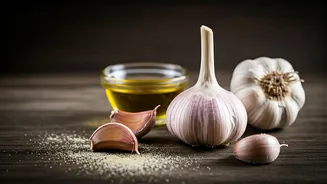
of allicin, a compound known for its potent antioxidant and anti-inflammatory properties. This active compound is formed when garlic is crushed or chopped, triggering a chemical reaction. Cooking garlic, however, diminishes allicin levels, although it doesn’t eliminate all its health advantages. Cooked garlic has its own distinct benefits, including easier digestion for some individuals. Furthermore, the allicin present in raw garlic gets converted into other health-promoting compounds during the cooking process. Ultimately, the choice between raw and cooked garlic depends on individual preferences and health goals, as both offer a valuable addition to your diet. The process of cooking garlic also changes its flavor profile, making it milder and sweeter compared to the pungent bite of raw garlic. The method of cooking also matters; steaming, sautéing, or roasting garlic can yield different results. So, whether you opt for raw or cooked garlic, you're embracing a food packed with potential wellness benefits.
Consuming Garlic Daily
Incorporating garlic into your daily routine, whether raw or cooked, can have notable effects on your body. Regular consumption of garlic may support cardiovascular health, assisting in maintaining healthy cholesterol levels. Also, it’s a powerhouse for immune function, due to the presence of allicin and other sulfur-containing compounds. These compounds exhibit antimicrobial and antiviral properties, potentially helping the body fight off infections. In addition, garlic can have an effect on blood pressure. Some studies suggest it has a potential to help maintain a healthy blood pressure. The antioxidant properties of garlic may also contribute to overall health. It may also provide protection against cellular damage. It’s essential to be mindful of how your body reacts, as garlic can cause digestive upset in some individuals. Also, some people may experience an allergic reaction. Consulting with a healthcare professional before making significant changes to your diet is always advisable. The consistency of daily consumption of garlic is an important factor to realize its potential benefits.
Best Way to Eat
The method you choose to consume garlic, can significantly influence the experience and its effectiveness. Eating raw garlic allows you to obtain maximum allicin levels, for those seeking the strongest health punch. For those sensitive to raw garlic’s intensity, consider mincing or crushing it and allowing it to sit for a few minutes before consuming. This process helps to activate the allicin. Cooking garlic can reduce its potency, but it also alters the flavor, making it milder and sweeter, which is palatable for many. When cooking garlic, gentle methods such as steaming or baking can preserve more nutrients than high-heat methods like frying. For optimal benefits, consider including a balanced approach: eat some raw garlic and incorporate it into your cooking. Also, think about the timing. Some people prefer eating garlic in the evening because of its potential health benefits, while others find that it could cause them digestive upset or body odor. Eating garlic on an empty stomach might also optimize its absorption, but this could also make some people feel uncomfortable. Ultimately, experiment with different methods and times to discover what best suits your body and lifestyle.