




Spice Route Unveiled
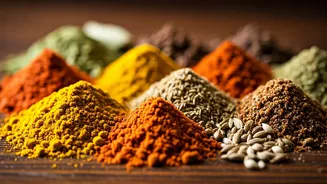
The backbone of Indian cuisine lies in its complex use of spices. Spices are not just flavor enhancers; they are integral to the identity and medicinal
properties of dishes. Key spices, like turmeric, known for its vibrant color and health benefits, are used in almost every dish, alongside chili peppers, coriander, cumin, and cardamom, each contributing distinct flavor profiles. The careful blending of these spices, often based on family recipes passed down through generations, creates the signature taste of Indian food. Furthermore, the selection and proportioning of these spices vary significantly based on the region. In the south, you might find a generous use of curry leaves and mustard seeds, whilst the north may incorporate garam masala and saffron. The diversity is a testament to the spice route's impact, which brought a wealth of flavors to the country and shaped the evolution of Indian food.
Regional Culinary Wonders
India's varied geography and cultural influences have given rise to an incredibly diverse culinary landscape. Northern cuisine, exemplified by dishes like butter chicken and tandoori preparations, leans heavily on dairy products and wheat-based flatbreads like naan and roti. The use of the tandoor, a clay oven, is a hallmark of this region, lending a smoky flavor to meats and breads. In contrast, the southern regions, including Tamil Nadu, Kerala, and Andhra Pradesh, feature coconut, rice, and seafood in abundance, with dishes often seasoned with tamarind and curry leaves. Coastal areas embrace fish curries and rice dishes. Western India, including Maharashtra and Gujarat, boasts vegetarian delicacies, such as the widely popular pav bhaji and dhokla. Eastern India, particularly Bengal, is renowned for its fish preparations and sweet dishes, often incorporating mustard oil and a wide variety of sweets. Each region's unique culinary style reflects its environment, cultural heritage, and historical influences, demonstrating the incredible diversity within Indian food.
Cooking Styles Explored
Indian cooking methods are diverse and reflect the cultural heritage and geographical influences of the nation. Grilling and tandoor cooking are very popular, imparting smoky and charred flavors. Frying, both deep and shallow, is also extensively employed, particularly in the preparation of snacks and appetizers, such as samosas and pakoras. Steaming is a favored method in many parts of India, preserving the natural flavors and nutrients of ingredients. The use of a pressure cooker is common, simplifying the cooking process, particularly for pulses and grains, and saving time. Slow-cooking techniques are used in the preparation of rich, flavorful dishes like biryanis and curries, allowing flavors to meld and deepen over extended periods. The techniques and equipment are passed down through families, carrying tradition and adding character to the final result. Each technique adds a unique touch to the dishes, making them stand out in different regions of India.
Rice and Bread Tales
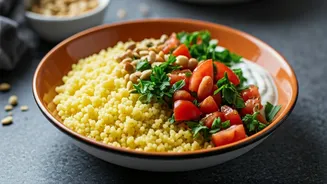
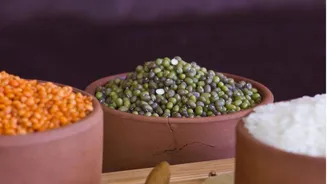
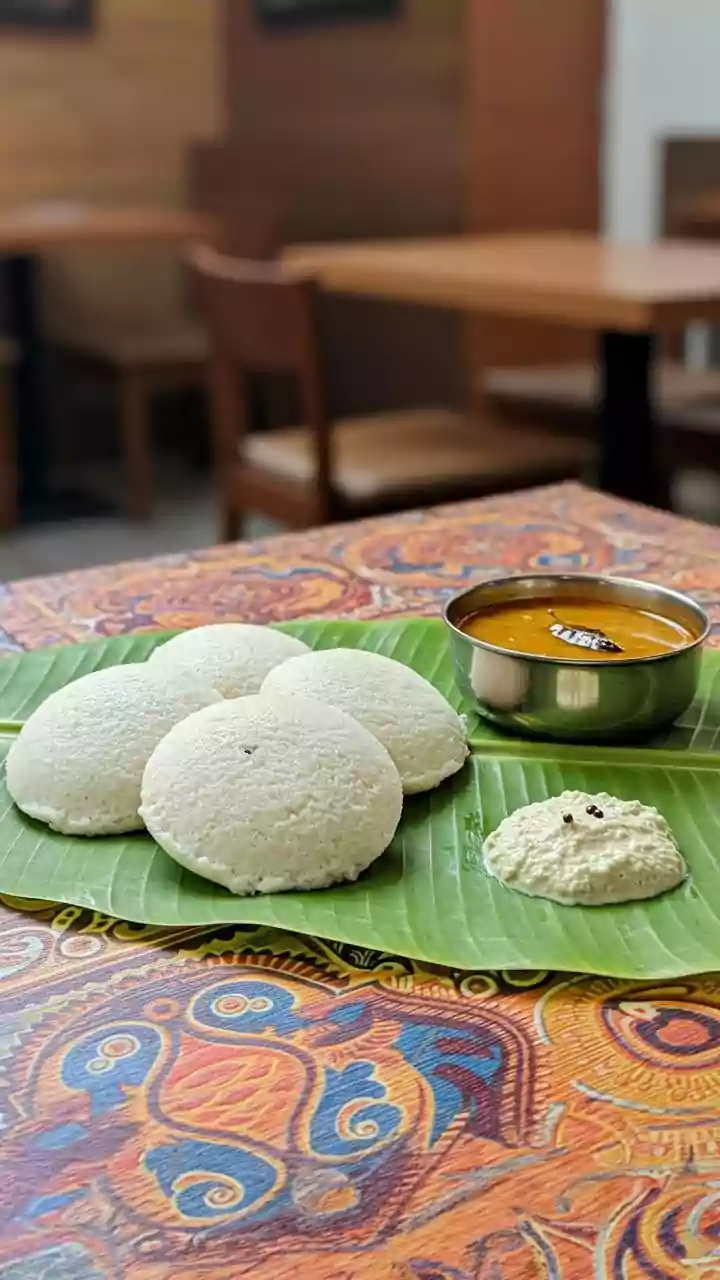
Grains are fundamental in the Indian diet, with rice and various types of bread forming the core of meals. Rice is a staple in most of India, with different varieties cultivated depending on regional preferences. Long-grain basmati rice is a premium choice, often served with biryanis and pulaos, while short-grain varieties are used in everyday meals and regional specialties like idli and dosa. In northern and western India, a variety of flatbreads, such as roti, naan, paratha, and puri, are major components of meals, often served with vegetable or meat curries. These breads are prepared using different flours like wheat and are cooked using methods like tawa-frying, baking in a tandoor, or deep-frying. South Indian cuisine relies more on rice-based items, like dosas and idlis, often served with sambar and chutneys. These grains are vital for nutrition, and they also signify traditions and culinary practices, adding flavors to a wide range of dishes.
Cultural Significance in Food
Food in India transcends mere sustenance, holding a deep cultural significance reflected in its preparation, consumption, and the way it is shared. Dietary habits are intricately connected with religious practices and festivals. Vegetarianism is widely practiced, influenced by Hinduism and Jainism, which means many traditional dishes exclude meat. Festivals are often celebrated with special foods, with sweets and savory dishes prepared and offered as part of religious rituals and community gatherings. Food is often shared as a symbol of hospitality and unity, with communal meals playing an important role in family life and social events. Eating together is a means to celebrate milestones. The act of sharing food demonstrates a commitment to community. These traditions show the strong link between food and the cultural identity of India.