





Initial Digestive Changes
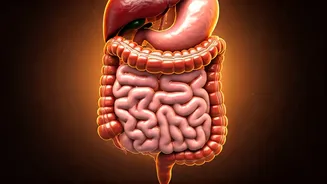
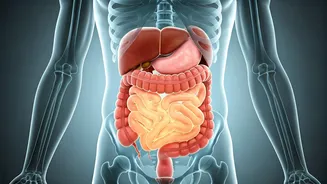
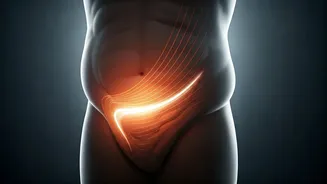
When individuals stop consuming ghee and oil, the digestive system undergoes some initial adjustments. The body's ability to break down and process fats
may be reduced at first, as it adjusts to a lower fat intake. This can potentially lead to changes in bowel movements, possibly resulting in both constipation and diarrhea. Moreover, the production of bile, essential for fat digestion, may become less efficient temporarily. These initial shifts underline the body's response to an altered fat profile and the need for the digestive system to adapt to new conditions.
Impact on Cholesterol Levels
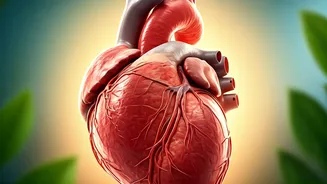
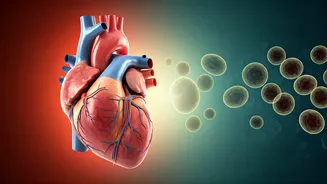
The effects on cholesterol levels are another significant aspect of removing ghee and oil from the diet. Typically, ghee and many cooking oils contain saturated fats, and their reduced consumption can contribute to a decrease in LDL cholesterol (often referred to as 'bad' cholesterol). This change can potentially lower the risk of cardiovascular diseases. Simultaneously, the impact on HDL cholesterol ('good' cholesterol) varies, and depends on the specific oils being replaced. For instance, replacing saturated fats with unsaturated fats can improve the cholesterol ratio, benefitting heart health.
Nutrient Absorption Alterations
The removal of ghee and oil can influence the absorption of fat-soluble vitamins, including vitamins A, D, E, and K. These vitamins need fats to be absorbed effectively in the small intestine. With lower fat intake, the body's ability to efficiently absorb these vitamins may be compromised. This can lead to deficiencies if not addressed. Vitamin A is crucial for vision and immune function, Vitamin D supports bone health, Vitamin E is an antioxidant, and Vitamin K is vital for blood clotting. Therefore, it's essential to ensure adequate intake of these vitamins through other dietary sources or supplementation to offset any absorption issues.
Metabolic and Energy Shifts
The metabolism also adapts when ghee and oil are removed. Fats are a concentrated source of energy, and their exclusion can lead to changes in energy levels and metabolic processes. Initially, people might experience reduced energy and a feeling of fatigue, because the body adjusts to using fewer fats. Over time, the body might start to utilize stored fats or other energy sources more efficiently. Moreover, the metabolic rate, including the rate at which the body burns calories, can be affected. Understanding these metabolic shifts is key to managing energy levels and making any necessary dietary adjustments.
Weight Management Effects
Weight management can be directly influenced by removing ghee and oil. Due to the high-calorie density of fats, a decrease in fat intake often leads to overall calorie reduction, potentially promoting weight loss. However, the exact impact depends on the remaining diet and lifestyle choices. Substituting fats with other calorie-dense foods can counteract these effects. Also, the type of fats replaced matters. For example, replacing saturated fats with unsaturated ones contributes to a healthier eating pattern, and aids in weight management. Hence, it is crucial to focus on a balanced dietary approach for lasting outcomes.
Skin and Hair Conditions
The skin and hair also respond to changes in fat intake. Fats provide essential fatty acids, which play a critical role in maintaining healthy skin and hair. Reduced fat consumption can lead to dryness, and loss of luster in the hair. The skin may become drier and more prone to irritation. In some cases, deficiencies in fat-soluble vitamins, linked to fat intake, can worsen these conditions. To counteract these effects, individuals may consider consuming fat-rich sources in moderation to ensure the intake of essential nutrients required for healthy skin and hair.
Long-Term Health Implications
The long-term health implications of continuously eliminating ghee and oil warrant careful consideration. While such a diet may initially offer specific benefits, a sustained absence of essential fatty acids can pose risks. For instance, it can affect the absorption of fat-soluble vitamins, potentially leading to long-term deficiencies. Furthermore, inadequate intake of healthy fats might impact the body's inflammatory response and overall cell function. It is therefore vital to evaluate and plan a well-rounded dietary strategy to minimize potential health risks while making any modifications.