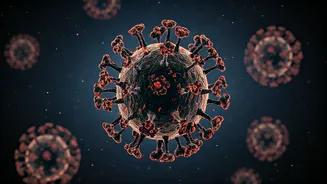








Understanding the Cicada Strain
The emergence of new COVID-19 variants is a continuous aspect of the pandemic, and BA.3.2, colloquially termed the 'Cicada' variant, is one such development
that warrants attention. While often not drastically different from its predecessors, understanding the specific nuances of this strain can be crucial for timely identification and management. This variant, like others, is a result of viral mutations that can alter its transmissibility, severity, or immune evasion capabilities. Public health officials and researchers are constantly monitoring these shifts to provide accurate guidance. Recognizing the 'Cicada' variant's potential symptoms is key to individual preparedness and broader community safety, ensuring that we can respond effectively to any public health challenges it might present.
Key Symptom 1: Persistent Cough
A persistent cough stands out as a primary indicator that should not be dismissed when considering the 'Cicada' variant. This isn't just any fleeting cough; it’s one that lingers, potentially for weeks, and may be dry or produce phlegm. It’s important to differentiate this from a cough caused by allergies or other common respiratory irritants. The nature of the cough, its duration, and accompanying symptoms, such as chest tightness or shortness of breath, are vital clues. If you experience a cough that seems unusual or doesn't resolve with typical home remedies, it’s advisable to seek medical consultation. This symptom, while common across many respiratory illnesses, can be an early signal of a COVID-19 infection, including strains like BA.3.2.
Key Symptom 2: Unusual Fatigue
Extreme and persistent fatigue is another significant warning sign that distinguishes itself. This is not the kind of tiredness one feels after a long day's work, but rather a profound exhaustion that can be debilitating and impact daily functioning. Individuals might feel drained, lacking energy for even simple tasks, and this fatigue can persist long after other acute symptoms have subsided. It's a symptom that often catches people off guard due to its intensity and duration. If you find yourself unusually and persistently tired without a clear explanation, it’s prudent to consider it as a potential indicator of infection, especially in the context of circulating variants like BA.3.2.
Key Symptom 3: Sore Throat
A persistent sore throat, often described as scratchy or raw, is a common yet important symptom to monitor. While it can be caused by various factors, including viral infections or environmental irritants, a sore throat associated with the 'Cicada' variant might be more pronounced and resistant to typical remedies. It can range from mild discomfort to severe pain, making swallowing difficult. Pay attention to how long the sore throat lasts and if it is accompanied by other indicators of COVID-19. If the discomfort is unusual, persistent, or accompanied by other symptoms, it warrants further investigation and professional medical advice to rule out infection.
Key Symptom 4: Headaches
Headaches are a frequent complaint with COVID-19, and the BA.3.2 variant is no exception. These can manifest as moderate to severe pain, often described as a constant throbbing or pressure. The onset might be sudden, and the headaches can be resistant to over-the-counter pain relievers. It's crucial to distinguish these from typical tension headaches or migraines, as they may be a direct neurological response to the virus. If you experience new, persistent, or unusually severe headaches, particularly in conjunction with other potential COVID-19 symptoms, it is important to consult a healthcare provider for a proper diagnosis and guidance.
Key Symptom 5: Muscle Aches
Widespread muscle aches and body pain, medically known as myalgia, can be another tell-tale sign of the 'Cicada' variant. This discomfort often feels like a deep soreness throughout the body, affecting the limbs and back. It can make movement difficult and contribute to the overall feeling of malaise. These aches can vary in intensity and may be accompanied by joint pain. If you experience unexplained and generalized muscle soreness that seems unusual or severe, especially when combined with other potential COVID-19 symptoms, seeking medical advice is recommended for accurate assessment and care.
Key Symptom 6: Loss of Smell/Taste
The distinctive symptom of a sudden loss of smell (anosmia) or taste (ageusia), or a significant alteration in these senses, has been a hallmark of COVID-19 infections. While it may not be as prevalent with every variant, it remains a critical indicator for the BA.3.2 strain. This loss is often abrupt and can occur even in the absence of other severe symptoms. If you notice a complete or partial inability to smell or taste, it's a strong signal that warrants immediate medical attention and testing for COVID-19. Recovery of these senses can vary, making early detection and management important.
Key Symptom 7: Respiratory Issues
Beyond a persistent cough, more pronounced respiratory issues such as shortness of breath or difficulty breathing are serious warning signs that demand immediate attention. These symptoms indicate that the virus may be affecting the lungs more significantly, potentially leading to more severe illness. Experiencing chest tightness or a feeling of not getting enough air are critical indicators. If you notice any of these breathing difficulties, do not hesitate to seek emergency medical care. Prompt evaluation is crucial to manage respiratory complications effectively and ensure appropriate treatment for the 'Cicada' variant or any other serious respiratory condition.
Assessing the Real Risk
Evaluating the actual risk posed by the BA.3.2 'Cicada' variant involves considering several factors, including its transmissibility, the severity of illness it causes, and its potential to evade existing immunity from vaccination or prior infection. While new variants are a natural part of viral evolution, not all pose a significant threat. Public health authorities continuously monitor these aspects through genomic surveillance and clinical data analysis. The risk is generally assessed by comparing its characteristics to dominant strains and considering the overall population immunity. While the specific risk profile of BA.3.2 may evolve, adhering to general protective measures like vaccination, hygiene, and staying informed remains the most effective strategy for mitigating individual and community health risks associated with any SARS-CoV-2 strain.