






Rethinking Restriction Myths
Many believe that shedding weight necessitates drastic calorie reduction, but this often proves unsustainable and even detrimental. The body's intricate
response to food, including metabolic rate and hormonal equilibrium, plays a crucial role that calorie counting alone can't address. Aggressively cutting back on food can actually sabotage long-term fat loss efforts by slowing down metabolism and disrupting hormonal signals. The path to effective fat reduction lies not in deprivation, but in adopting a more balanced and nourishing eating strategy that prioritizes nutrient intake over sheer scarcity. This revised perspective moves away from punishing diets towards a more intelligent and effective nutritional framework.
Protein: The Metabolism Booster
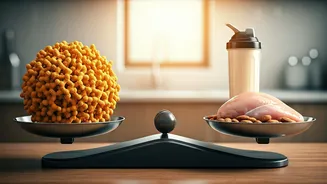
Protein emerges as a cornerstone in the pursuit of body fat reduction. Fitness experts recommend consuming between 0.7 to 1 gram of protein per pound of body weight daily. A significant portion of the calories from protein, approximately 30%, are expended simply during its digestion, a process known as the thermic effect of food. This elevated calorie burn aids in fat loss while crucially safeguarding lean muscle mass, which is often lost during extreme diets. The majority of individuals fall short of their optimal protein intake, missing out on these vital benefits. By prioritizing protein, you support muscle preservation and enhance your body's ability to burn fat more efficiently.
Sustained Eating for Metabolism
Contrary to popular belief, eating more can be a key strategy for maintaining a healthy metabolism. Severe calorie restriction can trigger a 'starvation mode,' leading to increased cortisol levels and promoting fat storage as the body attempts to conserve energy. Instead of drastic cuts, a moderate calorie deficit of 300-400 calories is often far more effective for sustainable fat loss. This approach prevents the hormonal distress associated with extreme dieting, allowing your metabolism to function optimally. Embracing a less severe, more consistent dietary pattern is crucial for long-term success and preventing the rebound weight gain often associated with overly restrictive plans.
Muscle: Your Fat Furnace
Building and maintaining muscle mass is instrumental in accelerating fat loss. Muscle tissue is metabolically active, meaning it burns calories even when you are at rest. Consequently, the more lean muscle you possess, the higher your basal metabolic rate becomes, leading to increased fat expenditure throughout the day. To effectively build muscle, adequate nutrition and targeted resistance training are essential. Starvation diets, however, have the opposite effect, leading to muscle catabolism, which in turn slows down your metabolism and promotes fat accumulation. Prioritizing sufficient food intake and strength training is thus vital for transforming your body into a more efficient fat-burning machine.
Hormonal Harmony is Key
Hormonal balance is critically important for effective fat loss, especially as individuals age. Chronic under-eating can lead to elevated cortisol levels, a stress hormone that signals the body to store more fat, particularly around the abdominal area. Simultaneously, consistently low calorie intake can suppress leptin, the hormone responsible for signaling satiety and fullness. This hormonal imbalance can result in persistent hunger and cravings, often paving the way for binge eating episodes and derailing weight loss efforts. Optimizing nutrition is therefore essential for maintaining a healthy hormonal environment conducive to fat loss.
Fueling with Nutrient-Dense Foods
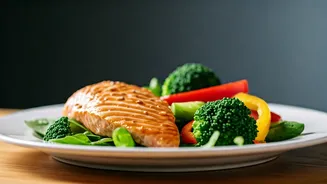
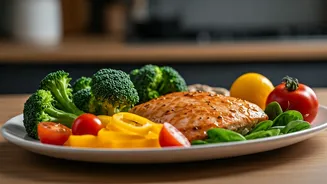
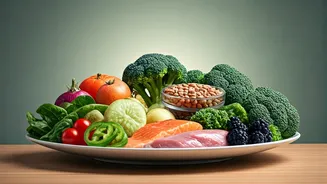
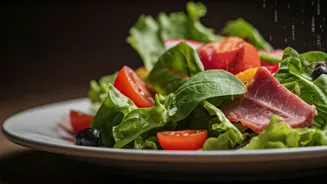
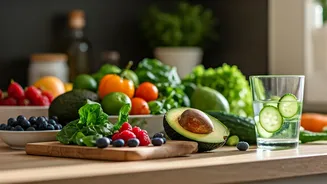
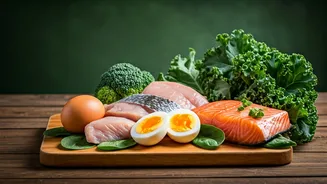
The dietary approach recommended focuses on incorporating nutrient-dense foods that provide volume and satiety without excessive calories. Lean protein sources such as chicken, fish, eggs, and Greek yogurt are excellent choices for supporting muscle growth and satiety. Vegetables are highly encouraged for their high fiber and water content, offering maximum volume with minimal caloric impact. Complex carbohydrates, strategically timed around workouts, provide energy for physical activity. Healthy fats, consumed in controlled portions, are also vital for hormone production and overall health. This combination ensures you feel full and nourished while facilitating fat loss.