







Understanding Homocysteine
Homocysteine is a naturally occurring amino acid within the body, produced as a byproduct of protein metabolism, specifically from the breakdown of methionine.
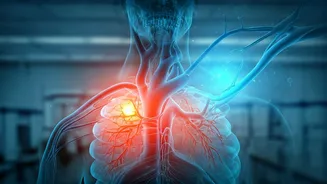
While it plays a role in essential metabolic processes like methylation, its levels are carefully regulated. When the body fails to efficiently convert homocysteine into other harmless substances, it can accumulate, leading to elevated levels. This buildup is not inherently benign; instead, it can act as a metabolic disruptor, promoting inflammation and potentially impacting cardiovascular, neurological, and endocrine systems. Historically, researchers began to understand the link between elevated homocysteine and severe health issues in children during the 1960s, which spurred further investigation into its broader connection with cardiovascular diseases in adults. High homocysteine is now recognized as a significant factor contributing to arterial inflammation, thereby increasing the risk of heart disease, and research suggests it may be implicated in a substantial portion of heart attacks and strokes. Beyond cardiovascular concerns, abnormal homocysteine levels can manifest in a range of other health problems, including visual disturbances, general fatigue, and even depression, alongside skeletal irregularities in younger individuals. While some causes, particularly genetic predispositions, may not be entirely preventable, effective natural management strategies exist to address the resulting symptoms and promote overall well-being.
Interpreting Test Results
Assessing homocysteine levels is typically done through a blood test, a procedure that is generally quick and causes minimal discomfort. Prior to the test, specific preparation guidelines are usually provided, which may include an eight to twelve-hour fasting period (with water typically permitted) and abstaining from vitamin supplements, particularly B vitamins, unless directed otherwise by a healthcare provider. It is also crucial to inform your doctor about any medications you are currently taking, as these can influence results. Homocysteine levels are quantified in micromoles per liter (µmol/L). While laboratory reference ranges can show slight variations, general interpretations include normal levels falling between approximately 5 to 15 µmol/L. Levels ranging from 15 to 30 µmol/L are considered moderately elevated, while an intermediate elevation is typically noted between 30 and 100 µmol/L. Severely elevated homocysteine levels are generally defined as exceeding 100 µmol/L. Higher readings may indicate underlying issues such as nutrient deficiencies, impaired methylation processes, genetic predispositions, kidney dysfunction, or an increased risk for cardiovascular events. It is important to remember that test results should always be evaluated by a qualified healthcare professional in conjunction with other laboratory findings and individual health circumstances for an accurate diagnosis and personalized management plan.
Symptoms of High Levels
The manifestation of symptoms associated with elevated homocysteine levels can vary significantly, ranging from subtle to severe, depending on the specific enzyme deficiencies or nutrient insufficiencies present. In infants diagnosed with homocystinuria, early signs might not be apparent at birth; symptoms typically begin to emerge around the age of three. These initial indicators can include visual disturbances, such as lens dislocation, and postural issues stemming from skeletal abnormalities and the gradual development of osteoporosis. Many adults, however, may experience an increase in homocysteine later in life, often without immediate awareness. While not always present, a more comprehensive list of potential complications and common signs of high homocysteine levels includes a heightened risk for various heart-related issues, such as coronary artery disease, heart attacks, and strokes, as well as elevated blood pressure and abnormal cholesterol profiles. This increased cardiovascular risk is attributed to heightened inflammation, a propensity for spontaneous blood clotting, and potential blockages in major arteries. Furthermore, elevated homocysteine has been linked to a greater risk of cognitive impairments, including Alzheimer's disease and dementia. In children, it can lead to skeletal and developmental abnormalities, manifesting as a curved spine, protruding chest, or elongated limbs and digits, sometimes resulting in a notably tall and slender physique. Behavioral issues, including ADHD and autism, along with migraines, headaches, and mental health conditions like depression, anxiety, and bipolar disorder, are also more commonly observed in individuals with high homocysteine. In cases where high homocysteine is due to nutritional deficiencies, individuals might experience anemia, aches and pains, slowed development, and even birth defects.
Causes and Risk Factors
A primary genetic cause for elevated homocysteine levels is the presence of an MTHFR gene mutation. This genetic variation can impede an individual's ability to metabolize crucial nutrients from their diet and convert them into active vitamins, minerals, and proteins. The MTHFR genes are responsible for producing enzymes that facilitate the conversion of homocysteine into another amino acid called methionine. When fewer of these enzymes are produced due to the mutation, a person's health can be significantly impacted, leading to a substantial increase in homocysteine and consequently, heightened inflammation. Individuals with certain MTHFR mutations may produce 70% to 90% fewer enzymes needed to break down homocysteine compared to those without the mutation, while others might experience a less drastic reduction, around 10% to 30%. Beyond genetic factors, other significant causes and risk factors for high homocysteine include nutritional deficiencies, particularly in folate, vitamin B6, and vitamin B12. Poor dietary habits, including a high intake of processed foods and animal products, coupled with inadequate consumption of fruits and vegetables, can contribute. Lifestyle factors such as smoking, excessive alcohol consumption, and a sedentary lifestyle are also implicated. Aging naturally tends to correlate with increased homocysteine levels. Certain medical conditions, including kidney dysfunction, diabetes, thyroid disorders, and inflammatory conditions like rheumatoid arthritis, can also play a role. Additionally, the use of specific medications, such as diuretics and laxatives, or those that interfere with folate metabolism, can exacerbate the issue. Certain populations, including pregnant or breastfeeding mothers, individuals with liver disease, alcoholics, drug users, and those on restrictive diets like vegans and vegetarians, may also be at higher risk of nutrient deficiencies that lead to elevated homocysteine.
Natural Management Strategies
Effectively managing high homocysteine levels often involves a multi-faceted approach centered on natural lifestyle modifications and dietary adjustments. A cornerstone of this management is improving one's diet, focusing on whole, organic, and unprocessed foods. This means increasing the intake of fiber, which supports arterial and heart health, aids digestion, and promotes cognitive function. Consuming a wide array of antioxidants from colorful fruits and vegetables, such as vitamin C, carotenoids, and vitamin E, is also vital. Limiting alcohol and caffeine intake is recommended, as excessive consumption can elevate homocysteine. Reducing the intake of inflammatory foods, including gluten, added sugars, preservatives, synthetic chemicals, processed meats, conventional dairy, refined vegetable oils, and trans fats, is crucial. Incorporating probiotic-rich foods and other gut-friendly options like bone broth, flaxseeds, and chia seeds helps manage gut health and inflammation. Emphasizing healthy fats from sources like coconut oil, olive oil, nuts, seeds, and avocados is beneficial. Furthermore, ensuring adequate intake of natural folate (vitamin B9), vitamins B6 and B12, choline, betaine, and zinc is paramount. Foods rich in folate include beans, leafy greens, and organ meats. It's generally advisable to obtain folate naturally rather than through synthetic folic acid, as the body metabolizes natural folate more effectively. Increased consumption of vitamin B6 and B12-rich foods, such as quality protein sources, organ meats, and nuts, can support metabolic functions and alleviate symptoms like cognitive dysfunction and fatigue. Protecting heart health through a balanced diet, regular exercise, and maintaining a healthy weight is also essential, alongside managing stress through techniques like meditation, journaling, and spending time outdoors. Prioritizing sufficient rest, aiming for seven to nine hours of quality sleep per night, further contributes to overall well-being and helps regulate neurotransmitters and hormones.