






Smart Snacking Choices
Not all dried fruits are created equal when it comes to supporting a healthy heart. For individuals focused on cardiovascular well-being, prioritizing
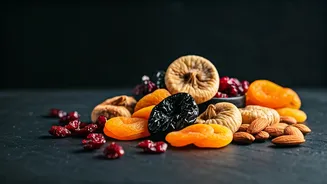
nuts like almonds, walnuts, and pistachios is highly recommended. These powerhouses are abundant in beneficial unsaturated fats, essential dietary fiber, and potent antioxidants, all of which contribute to robust heart function. The healthy fats found in these nuts can play a crucial role in maintaining desirable cholesterol levels. Additionally, small servings of naturally dried fruits such as raisins and figs can be incorporated into the diet due to their valuable fiber and micronutrient profiles. However, it is crucial to steer clear of processed varieties that are heavily laden with added sugars, candies, or excessive salt, as these additions can elevate sodium and sugar intake, potentially undermining heart health goals.
Managing Natural Sugars
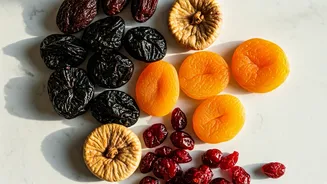
Dried fruits, while naturally occurring, concentrate their sugars significantly during the drying process. This concentration demands careful attention, particularly for individuals managing diabetes or other metabolic conditions. It's vital to remember that 'natural sugar' is still sugar, and its impact on blood glucose levels needs consideration. To mitigate potential spikes in blood sugar, it's advisable to consume dried fruits in conjunction with other foods, such as nuts, or after a meal, rather than on an empty stomach. This strategic pairing helps to slow down sugar absorption, leading to a more gradual and stable rise in blood glucose, thus promoting better metabolic control.
Cholesterol & Blood Pressure Benefits
When incorporated thoughtfully into one's diet, dried fruits can offer tangible advantages for heart health, including potential improvements in cholesterol levels and blood pressure management. Specifically, walnuts and almonds stand out for their rich content of heart-healthy fats, which have been shown to contribute to improved cholesterol profiles over time. Furthermore, certain dried fruits, such as raisins and apricots, are notable for their potassium content. Potassium is a vital mineral that plays a significant role in regulating blood pressure by helping to counteract the effects of sodium and relax blood vessel walls. The key to harnessing these benefits lies in consistent moderation; enjoying small, measured portions rather than large quantities is paramount for sustained positive outcomes.
Portion Control is Key
Even the most nutritious foods can become detrimental if consumed in excess, and this holds true for dried fruits. Overindulgence can lead to an excessive calorie intake, which in turn can contribute to unwelcome weight gain. As weight gain is a well-established risk factor for heart disease, maintaining appropriate portion sizes is critical for both calorie management and overall health. A general guideline for a safe daily intake of nuts is around 5 to 10 pieces, while for other dried fruits, 1 to 2 tablespoons is considered a reasonable serving. It is easy to underestimate the calorie density of dried fruits, making conscious portion control an indispensable habit for anyone aiming to leverage their health benefits without compromising their cardiovascular goals.