

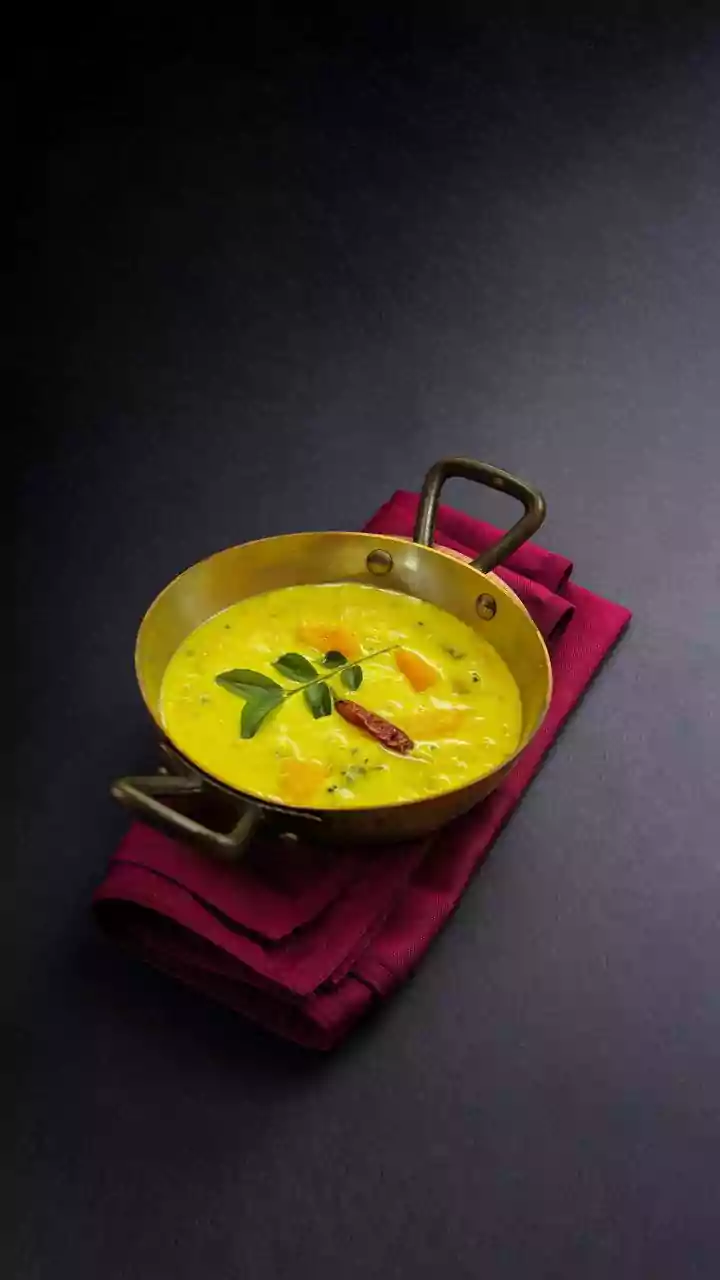




Protein Powerhouses Compared
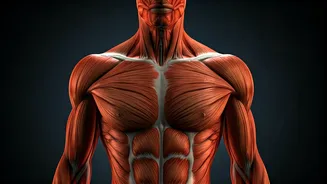
Protein, a vital nutrient, plays a critical role in the human body. It is integral for tissue repair, muscle growth, and various bodily functions. Both
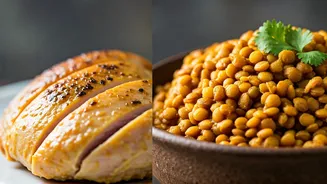
dal and chicken are popular protein sources, but their protein profiles differ. Chicken is a complete protein, meaning it contains all essential amino acids in adequate amounts. Dal, while also protein-rich, might be deficient in one or more essential amino acids, particularly methionine. However, the combination of dal with grains like rice can create a complete protein profile, making it a very good source of protein for vegetarians. The overall protein content also varies based on the type of dal and the cut of chicken, making it essential to consider different factors when comparing the two.
Dal's Nutritional Profile
Dals, including moong, masoor, and chana, are staple foods in Indian cuisine. They're not just protein sources; they also offer a wealth of other nutrients. Dals are rich in fiber, which aids digestion and promotes gut health. They also supply essential vitamins and minerals, such as iron, folate, and magnesium. The fiber content in dal can help regulate blood sugar levels, contributing to overall health. Furthermore, dals are low in fat and cholesterol, making them a heart-healthy choice. The nutritional composition varies slightly based on the dal type; however, all dals are beneficial additions to a balanced diet, offering a combination of protein, complex carbohydrates, and essential micronutrients. Incorporating different dals into your meals can enhance the variety of nutrients consumed.
Chicken's Protein Advantages
Chicken, particularly lean cuts like breast, is known for its high protein content and is a favorite among fitness enthusiasts. Chicken delivers a complete protein, offering all essential amino acids crucial for muscle recovery and growth. Moreover, chicken is a good source of essential vitamins and minerals, including vitamin B12, selenium, and niacin, which support various bodily functions. It's relatively low in calories and saturated fats, making it a favorable option for those aiming to maintain or reduce body weight. Different cooking methods can impact the nutritional value; baking, grilling, and boiling retain more nutrients than frying. The protein content also varies, with skinless chicken breasts offering the highest protein per serving. In contrast, other cuts like thighs and drumsticks contain more fat. Therefore, portion sizes and preparation methods are crucial when incorporating chicken into a healthy diet.
Combining Protein Sources
Integrating both dal and chicken into your diet offers a balanced approach to protein intake. You can easily create well-rounded meals by combining these two protein sources. For instance, you could prepare a chicken curry with a side of dal, ensuring you receive a mix of essential amino acids. For those who prefer vegetarian diets, combining dals with other plant-based proteins, such as quinoa or tofu, is an effective way to obtain a complete protein profile. Variety in your diet improves nutrient intake. This approach provides a diverse spectrum of vitamins, minerals, and other vital nutrients. Planning your meals to incorporate both options enables you to fully support your nutritional needs, regardless of your dietary preference. This flexibility allows for a more comprehensive and well-balanced dietary regimen.
Making Informed Choices
The choice between dal and chicken ultimately depends on individual needs, preferences, and dietary goals. If you're looking for a quick source of complete protein, chicken may be a convenient choice. However, if you are vegetarian, dal provides an accessible and affordable source of protein and essential nutrients. Considerations such as personal health conditions, dietary restrictions, and ethical concerns also influence your decisions. Consulting a nutritionist or a healthcare professional can give personalized advice based on your specific requirements. This ensures you're making choices that best support your overall health and well-being. Focusing on a well-balanced diet and combining a variety of foods to meet your nutritional needs is key.