




Engineering Marvels Unveiled
The Ganga Expressway stands as a testament to sophisticated engineering, boasting an impressive array of structures designed for seamless transit. This
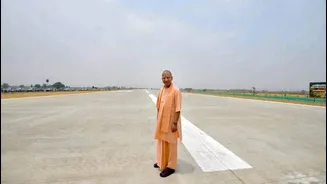
594-kilometer, six-lane greenfield corridor incorporates a total of 7 railway overbridges and 32 flyovers, ensuring uninterrupted movement over existing infrastructure. Complementing these are 185 minor bridges and 453 underpasses, facilitating smooth passage for local traffic and water flow beneath the main carriageway. Furthermore, 795 culverts are integrated to manage natural drainage. Significant river crossings include a substantial 960-meter bridge spanning the mighty Ganga River and a 720-meter bridge over the Ramganga River, both crucial for maintaining the expressway's integrity and connectivity. The project also features an innovative 3.5-kilometer emergency landing strip in Shahjahanpur, enhancing national security capabilities. Designed with future scalability in mind, the expressway is built to accommodate expansion to eight lanes, ensuring it remains a vital artery for decades to come.
Economic Engine Awakens
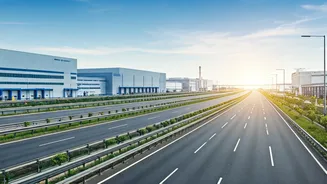
Beyond its physical infrastructure, the Ganga Expressway is engineered to be a powerful catalyst for economic development. Strategically positioned along its length are six Integrated Manufacturing and Logistics Clusters (IMLCs). These hubs are poised to create substantial markets for regional agricultural produce, such as the renowned mangoes of Amroha and the amlas of Pratapgarh. By enhancing storage, streamlining transportation, and improving market access for both farmers and food processing enterprises, these clusters will significantly bolster the agricultural sector. The expressway itself is envisioned as a key economic corridor, with approximately 2,635 hectares of land designated for the development of manufacturing and logistics hubs. This focus is expected to dramatically reduce transport and logistics expenditures, optimize supply chains, and propel industrial and manufacturing growth throughout Uttar Pradesh. The project's vision is deeply rooted in fostering widespread economic prosperity and creating numerous direct and indirect employment opportunities across the districts it traverses.
Enhanced Connectivity and Access
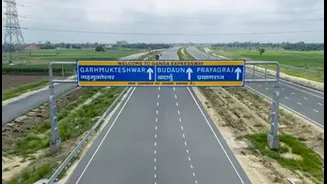
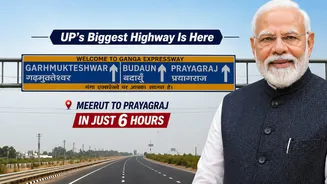
The Ganga Expressway fundamentally reshapes travel and accessibility within Uttar Pradesh, drastically reducing journey times and improving connectivity. This high-speed corridor directly links the National Capital Region (NCR) via Meerut, extending all the way to Prayagraj. The travel time between Meerut and Prayagraj has been significantly curtailed, transforming a 10–12 hour journey into a mere 6-hour commute. This remarkable improvement is facilitated by 21 strategically placed interchanges, ensuring convenient entry and exit points. Traffic management is handled by two primary toll plazas, situated near Meerut and Prayagraj, complemented by 19 ramp toll plazas to ensure a smooth flow of vehicles. The expressway is designed for high-speed travel, allowing for speeds of up to 120 kmph, thus providing a more efficient and less stressful commuting experience. Furthermore, it integrates with other major expressways, including the Agra–Lucknow Expressway, Jewar Link Expressway, and Farrukhabad Link Expressway, creating a cohesive network that enhances travel across the state and beyond.
Boosting Agriculture and Tourism
The impact of the Ganga Expressway extends significantly to the agricultural and tourism sectors, promising substantial growth and improved livelihoods. For farmers, the expressway provides vastly improved market access, directly connecting them to major urban centers and potential export hubs. This enhanced connectivity ensures that their produce can be transported more swiftly and efficiently to consumers, reducing spoilage and increasing profitability. The improved road network also plays a crucial role in the development of the tourism industry. By making various destinations within Uttar Pradesh more accessible and easier to reach, the expressway is expected to attract a greater number of visitors. This influx of tourists can lead to increased demand for local services, accommodation, and crafts, thereby stimulating economic activity and supporting local communities. The expressway acts as a vital link, opening up new avenues for economic engagement for both producers and the hospitality sector.
Key Facilities and Infrastructure
Integral to the Ganga Expressway's functionality are the numerous amenities and facilities developed along its extensive route. Commuters and travelers will benefit from the provision of 9 wayside amenities, offering essential services and rest stops during their journeys. The project features well-organized toll collection systems, with two main toll plazas strategically located at Meerut and Prayagraj, along with 19 ramp toll plazas to manage traffic flow efficiently. The development authority, UPEIDA, has ensured that these facilities are designed to enhance the overall travel experience. The expressway's design prioritizes user convenience and safety, contributing to its role as a lifeline for villages, farmers, businesses, and the youth of Uttar Pradesh, effectively bridging geographical distances and accelerating the pace of development across the state.