



The Encryption Sunset
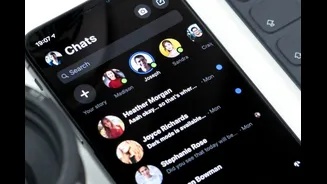
Instagram has officially declared that its end-to-end encrypted (E2EE) direct messaging feature will cease to function after May 8, 2026. This announcement,
made on Instagram's support pages, comes as a surprise to many users who valued the enhanced privacy offered by E2EE. For those concerned about losing their message history or media, Instagram will provide guidance on how to retrieve this data before the deadline. Users running older versions of the Instagram application will be required to update their software to successfully download any encrypted messages or attached files. This move signifies a major shift in how private conversations will be handled on the popular social media platform.
Reasons Behind the Change
While Instagram's official statement doesn't explicitly detail the reasoning behind discontinuing E2EE for DMs, a spokesperson for Meta clarified the situation to The Verge. The primary explanation offered is that only a small fraction of users were actively utilizing the end-to-end encryption option for their direct messages. For individuals who wish to maintain E2EE for their communications, Meta suggested that WhatsApp, another platform owned by the company, continues to offer this robust privacy feature. This indicates a strategic decision to consolidate E2EE resources and focus on platforms where it sees greater adoption and utility.
E2EE Explained Simply
To recap, end-to-end encryption is a security measure that ensures only the sender and the intended recipient can read messages or view calls. No one in between, not even the service provider, can access the content. In Instagram's E2EE implementation, each conversation was protected by unique keys. Users had the option to compare these keys with their conversation partners as an extra layer of verification to confirm the security of their chat. This system was designed to provide a high level of privacy, making direct messages truly private between the participants.
Meta's Encryption Journey
Meta's stance on encryption has been notably dynamic over the past decade. The company began integrating encryption into its services back in 2016, starting with WhatsApp chats. Three years later, there was an ambitious declaration that all conversations across its platforms would eventually become end-to-end encrypted. However, this vision faced setbacks, as evidenced by a 2021 announcement where Meta postponed the rollout of its full encryption features until 2023. This history of evolving encryption strategies highlights the complexities and challenges involved in implementing such widespread privacy measures across a vast user base.