
Global Trade Landscape
The global trade environment has recently been marked by increased volatility and uncertainty. Events such as potential tariffs imposed by former US President
Donald Trump, and reactions from entities like the European Union, highlight this complex environment. These developments necessitate a strategic approach to safeguard national economic interests. India, in particular, must proactively respond to safeguard its trade relationships and overall economic growth in the face of these potential disruptions. The interconnectedness of global markets means that actions taken by one nation can have a significant ripple effect across the world, underscoring the importance of careful planning and adaptable trade policies to manage and mitigate potential negative impacts.
India's Strategic Response
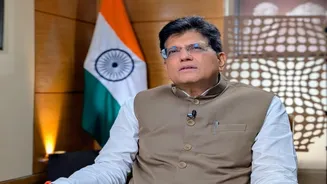
India's approach is spearheaded by its government officials, who are carefully monitoring and responding to shifts in global trade policy. A key aspect of this response involves selective targeting in addressing tariff concerns. This method suggests a strategy focused on mitigating risks while preserving beneficial trade relationships. Furthermore, an important aspect of this involves proactive diplomacy and dialogue with key trading partners. This will include navigating complex relationships and proactively addressing challenges in international trade. The government's actions demonstrate a commitment to both protecting existing trade arrangements and also exploring new avenues for growth and diversification within the global market.
Diversifying Export Markets
A core aspect of India's trade strategy involves expanding its export pool. This involves finding new markets to reduce dependence on any single trading partner. This diversification reduces the impact of potential trade barriers or economic downturns in specific countries. Widening the export base requires identifying new opportunities and fostering relationships with emerging economies, allowing India to better weather trade-related uncertainties. To achieve these goals, India must focus on the competitiveness of its exports, including both improving quality and reducing production costs. It must also actively seek out and capitalize on new trading agreements that offer favorable terms.
Impact of US Actions
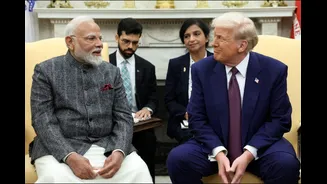
The possible imposition of tariffs by the former US president, Donald Trump, presents a significant challenge for India. These tariffs, if enacted, could affect Indian exports to the United States and necessitate a strategic response. This would include seeking to negotiate with the US to potentially mitigate these adverse effects. The uncertainty related to the US policy creates a dynamic environment in which India must remain agile. The government's policy must carefully weigh economic relations with the US and the need to protect the country's economic interests. Developing a clear and effective strategy is vital to minimize disruptions and protect India's economic progress.