



Bharti's Oil Choice
In a candid chat, renowned comedian and host Bharti Singh revealed a deliberate shift in her culinary practices. She stated that her kitchen is now exclusively
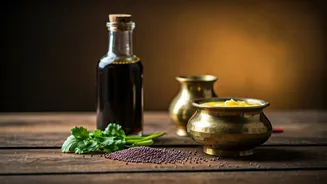
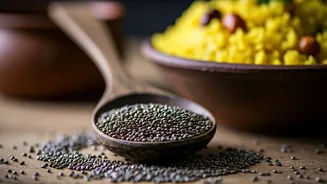
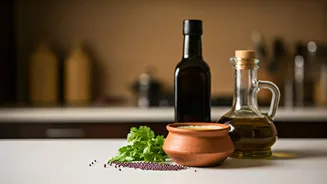
stocked with two traditional cooking fats: desi ghee and sarson ka tel, commonly known as mustard oil. Bharti explicitly mentioned avoiding refined oils and what she terms 'meetha tel' (sweet oil), emphasizing that her cooking repertoire consists solely of dishes prepared with either desi ghee or mustard oil. This commitment stems from a desire to stick to time-honored ingredients, highlighting a preference for the distinct flavors and perceived benefits of these authentic oils over more processed alternatives. Her approach underscores a return to traditional cooking methods and ingredients, a sentiment that resonates with many seeking healthier and more natural dietary choices.
Expert Nutritional Insights
Consultant dietitian Garima Goyal weighed in on the practice of exclusively using desi ghee and mustard oil, suggesting a balanced perspective is crucial. She acknowledged that both are traditional fats with inherent nutritional advantages. Mustard oil, for instance, is lauded for its healthy fats, including monounsaturated fatty acids (MUFA) and omega-3, along with potential anti-inflammatory properties. Desi ghee, conversely, is a good source of fat-soluble vitamins such as A, D, E, and K, and can contribute positively to gut health when consumed appropriately. However, Goyal cautioned against the notion that simply switching to these traditional fats guarantees a healthier diet. The key, she stressed, lies in mindful consumption, appropriate portion control, the overall dietary balance, and the cooking techniques employed.
Understanding Portion Control
Dietitian Garima Goyal further elaborated on the importance of moderation, particularly with traditional fats. She pointed out that while mustard oil offers benefits, excessive heat or overuse can render it detrimental. Similarly, ghee, though beneficial, is quite calorie-dense, making it easy to consume more than intended without realizing the caloric impact. This underscores that portion control is paramount, regardless of the oil's perceived healthiness. Goyal also addressed the common perception that refined oils are always the primary issue, suggesting that the greater concern often lies with the widespread consumption of ultra-processed foods and the detrimental habit of repeatedly reheating cooking oils, rather than the oil type itself.
A Balanced Culinary Approach
From a professional dietary standpoint, the most effective strategy for cooking involves a diverse range of fats, maintaining control over visible fat intake, and diligently avoiding deep-frying or repeated heating of oils. While Bharti Singh's culinary philosophy is deeply rooted in traditional practices, the ultimate lesson is not simply about selecting ghee or mustard oil. It’s more about engaging in mindful usage of all cooking fats, ensuring a balanced overall diet, and maintaining consistency in one's eating habits. This holistic approach emphasizes that healthy eating is a complex interplay of ingredient choice, quantity, cooking methods, and the broader dietary pattern, rather than a singular focus on specific oils.