







The Sky-High Strain
Most of us view flying as passive, but our bodies are engaged in significant physiological shifts the moment we ascend into pressurized cabin air. Cardiologist
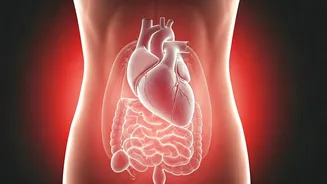
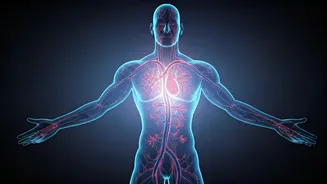
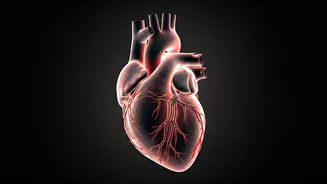
Dr. Dmitry Yaranov highlights that what we often dismiss as mere jet lag is actually a complex response to the unique aerial environment. The core of this response stems from reduced oxygen availability as cabin pressure decreases, compelling the heart to work harder to circulate the vital element. Simultaneously, the exceptionally dry air, often drier than desert atmospheres, leads to substantial water loss through respiration. This dehydration causes blood volume to diminish, resulting in increased blood viscosity, or thickness. This compounded effect places an extra burden on the cardiovascular system, forcing it to pump with greater effort. Furthermore, prolonged periods of inactivity in cramped seating arrangements lead to blood pooling in the lower extremities, a phenomenon that contributes to feelings of heaviness and swelling in the legs, and can impede efficient circulation. These are not trivial changes; they are immediate adaptations your body makes to cope with the demands of high-altitude travel, impacting everything from oxygen delivery to circulatory efficiency.
Protecting Your Circulatory System
To mitigate the strenuous demands placed on your body during flight, a proactive approach to hydration is crucial, beginning even before boarding. Dr. Yaranov emphasizes initiating your hydration strategy early to ensure you start the journey adequately replenished, rather than playing catch-up. During the flight, strict avoidance of alcohol and excessive salt is strongly recommended. Both are known dehydrators and contribute to blood thickening, thereby increasing the heart's workload and potentially exacerbating the strain. To counteract the circulatory sluggishness caused by prolonged sitting and prevent blood from pooling in the legs, movement is key. Aim to stand up or perform simple stretches every hour. This simple habit significantly aids blood flow and reduces the risk of swelling and discomfort. Upon disembarking, a brisk walk can further help to re-establish normal blood flow and oxygen distribution throughout the body, effectively resetting your circulation after the flight.
Bolstering Your Defenses
The arid conditions within an airplane cabin pose a significant threat to your immune system, primarily by drying out the delicate mucous membranes lining your airways. This compromised barrier loses its effectiveness as the first line of defense against airborne pathogens, making you more susceptible to infections. To bolster this vital defense mechanism, Dr. Yaranov suggests utilizing a saline nasal spray prior to takeoff. Applying this before your flight helps to maintain the moisture of your nasal passages and throat. This simple step ensures that the protective mucous lining remains hydrated and functional, better equipped to trap and neutralize viruses and bacteria that may be circulating in the cabin air. By proactively supporting your respiratory tract's natural defenses, you can significantly enhance your immune resilience throughout the duration of your flight, reducing the likelihood of falling ill during or after your journey.