






Stevia's Blood Sugar Effects
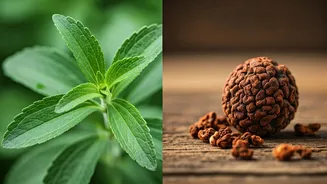
Stevia, derived from the stevia leaf, is a celebrated zero-calorie sweetener often employed by those aiming to reduce their sugar intake. Scientific investigations
suggest that the active compounds in stevia, known as steviol glycosides, do not cause a significant rise in post-meal blood glucose. Some research has indicated potential benefits for individuals managing diabetes, high blood pressure, or obesity, with observed reductions in blood sugar levels over a four-month period. However, other analyses have concluded that stevia might not influence long-term blood sugar control in individuals without diabetes. The scientific community acknowledges that the existing evidence quality is modest, underscoring the need for further comprehensive studies to fully elucidate stevia's effects on sustained blood sugar management.
Monk Fruit's Sweet Impact
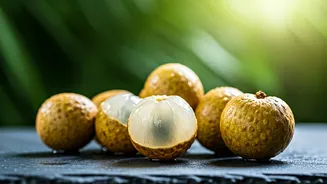
Similar to stevia, monk fruit offers sweetness without negatively impacting blood sugar levels. Its sweetening power comes from unique antioxidants called mogrosides. Clinical trials have demonstrated that substituting sugar with monk fruit extract can lead to a notable decrease in blood glucose spikes after meals, potentially by up to 18%, and a reduction in insulin levels, possibly by as much as 22%. Beyond its sweetening properties, monk fruit's antioxidant characteristics may also contribute to a protective effect against inflammation. Nevertheless, as with stevia, researchers emphasize that more extensive investigation is required to fully grasp monk fruit's complete physiological effects and long-term health implications.
The Sweetener Showdown
When it comes to blood sugar management, both stevia and monk fruit stand as equally valid and effective options. They operate similarly in the body, generally not contributing to blood glucose spikes. While some studies suggest monk fruit might offer a slight advantage in enhancing insulin sensitivity, this distinction isn't definitive due to variations in research methodologies and participant groups. Therefore, the primary differentiating factor often comes down to personal preference. Each sweetener possesses a unique flavor profile and aftertaste, meaning one might be more appealing to your palate than the other. The most beneficial sweetener is ultimately the one you enjoy using consistently, ensuring you can incorporate it into your diet to displace traditional sugars.
Navigating Product Labels
A crucial aspect when selecting stevia or monk fruit products is to meticulously examine the ingredient list. It's common for commercially available sweeteners, even those marketed as pure stevia or monk fruit, to contain a blend of ingredients. These might include other sweeteners, fillers, or even small amounts of sugars like dextrose. Some individuals may also experience digestive discomfort, such as bloating, from specific sweetener blends, particularly sugar alcohols like sorbitol or xylitol. Therefore, prioritizing products with minimal added sugars or undesirable fillers is key. Opting for pure stevia or monk fruit, or blends with no added sugars, ensures you are maximizing the blood sugar benefits of these natural sweeteners.
Choosing Your Sweetener Wisely
Selecting the right sweetener involves more than just picking between stevia and monk fruit. Pay close attention to ingredient labels to avoid unwanted added sugars or potential irritants. It's also beneficial to observe how your body responds; some people might find they tolerate one better than the other, experiencing fewer digestive issues. Ultimately, these natural sweeteners are tools to help reduce sugar intake, but they don't negate the importance of overall dietary balance. Consider them as a means to bridge healthier eating habits, rather than a license to consume less nutritious foods freely. The most effective approach involves integrating them into a well-rounded diet focused on whole foods.