


Chaat's Ancient Purpose
Street food often gets a bad rap, being labelled as indulgent and problematic for digestion. However, Chef Ranveer Brar has brought a fresh perspective
by suggesting that beloved items like golgappas and aloo chaat could play a role in maintaining gut health. He posits that the cravings we experience, particularly when seasons change, are the ancient bacteria within our gut microbiome signaling a need for adjustment. These trillions of bacteria, existing for billions of years, simply use us as a means to perpetuate their lineage. Brar suggests that traditional chaat, with its specific blend of ingredients, serves as a way to provide these microbes with the necessary 're-adjustment,' potentially increasing beneficial bacteria and thereby improving overall digestion. This intriguing idea challenges conventional notions about street food's impact on our internal ecosystem.
Gut's Response to Flavors
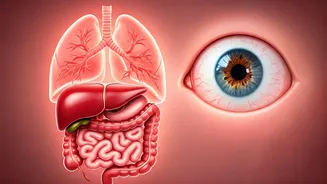
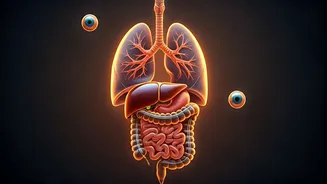
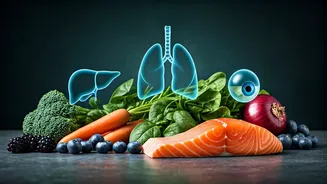
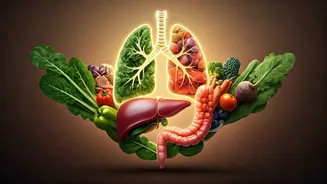
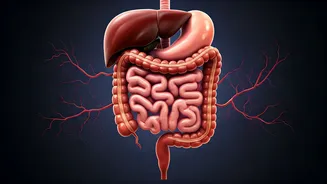
Our gut is far more than a simple food processing unit; it's a complex ecosystem teeming with trillions of bacteria known as the gut microbiome. This intricate community of microbes actively interacts with everything we consume, influenced not only by the food itself but also by how and how often we introduce them to diverse ingredients and environments. Traditional Indian culinary practices, particularly those evident in street food, frequently combine elements that are known to positively impact this microbiome. These typically include a thoughtful array of spices, ingredients that undergo fermentation, and a good source of dietary fiber. Research increasingly supports the notion that the synergistic effect of fermented foods and naturally beneficial ingredients can significantly enhance microbial diversity and promote healthier digestive processes.
Golgappas: A Digestive Boost?
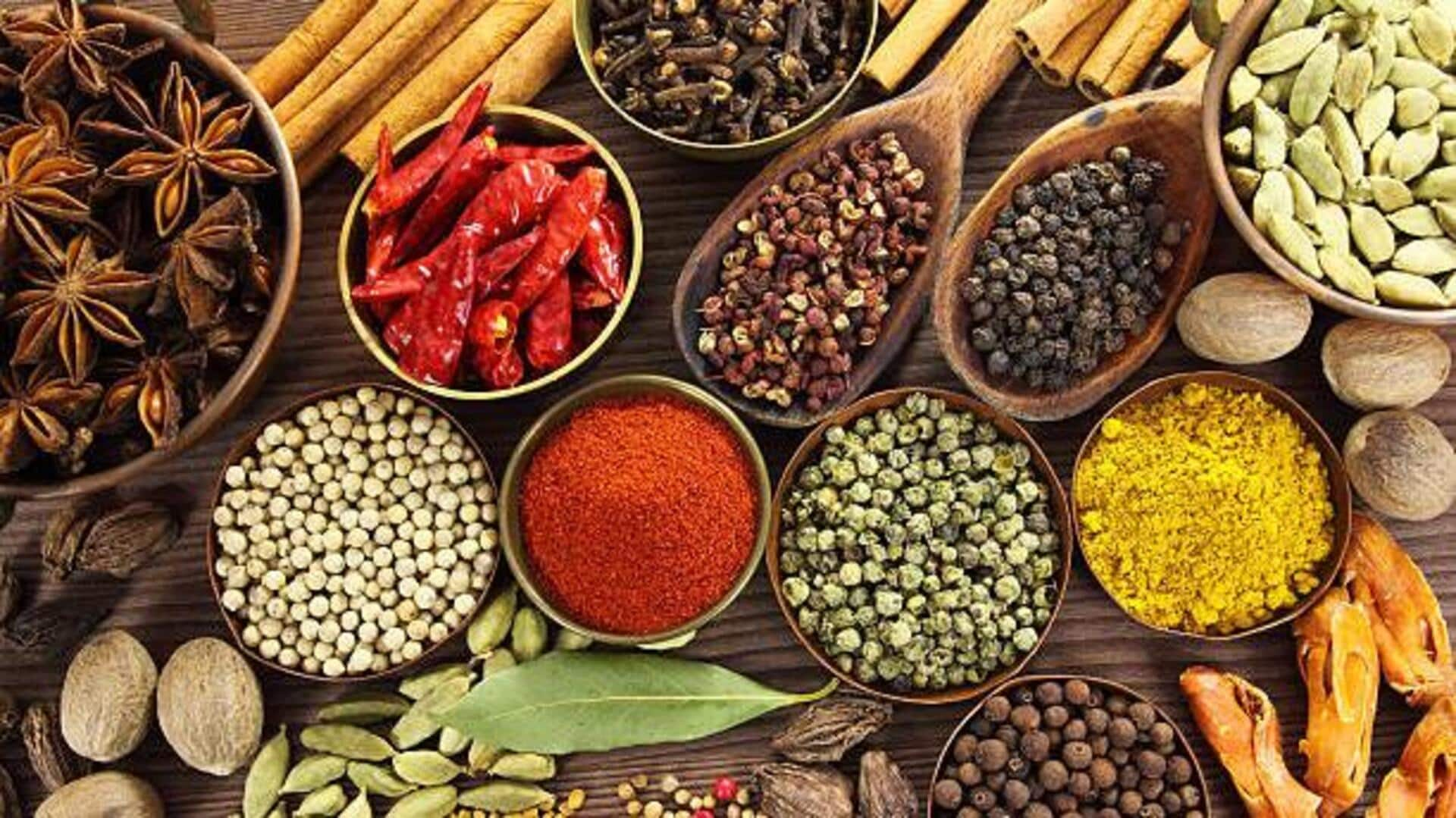
While golgappas might not immediately strike one as a gut-health powerhouse, a closer examination reveals potential benefits. The iconic spicy water, often prepared with ingredients like mint, tamarind, and cumin, is renowned for its digestive-enhancing properties. These spices have a long-standing reputation in traditional medicine for their ability to soothe and stimulate the digestive system. The unique combination of vibrant flavors and varied textures present in golgappas can act as a catalyst, activating the digestive processes within the body. Therefore, the ultimate impact on your gut health hinges significantly on how your individual body responds to the specific components that make up this popular snack, underscoring the importance of personalized reactions to food.
Aloo Chaat's Microbiome Link
Aloo chaat, despite its seemingly simple composition, also holds connections to gut health that are worth exploring. Potatoes, when prepared in certain ways, can offer resistant starch, a type of carbohydrate that acts as a prebiotic, feeding beneficial gut bacteria. Furthermore, the common spices used in aloo chaat, such as chaat masala, hing (asafoetida), and jeera (cumin), are well-documented for their digestive support capabilities. The inclusion of tangy elements can also play a role by stimulating appetite and promoting the secretion of digestive enzymes. This highlights a broader principle in Indian cooking, where spices are employed not merely for their flavor profiles but also for their functional benefits to the body's internal systems.
The Crucial Caveats
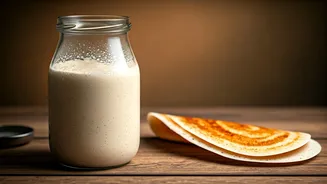
It is vital to understand that the presence of potentially beneficial ingredients does not automatically render street food a universally healthy choice. Significant risks are associated with street food consumption that often get overlooked. Paramount among these are concerns regarding hygiene and the potential for contamination, which can lead to various digestive ailments. Additionally, the high levels of oil and salt commonly used in preparing these dishes can outweigh any positive contributions from spices or starches. Scientific consensus emphasizes that not all fermented or spice-rich foods are beneficial in every circumstance; the methods of preparation and the quality of ingredients are paramount. Even naturally beneficial items like curd or buttermilk are best consumed in conjunction with heavier meals to aid digestion and maintain balance.