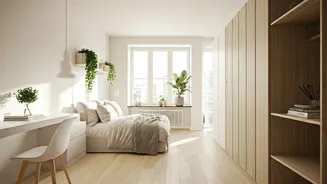




Minimize Visual Chaos
The quickest way to achieve a sense of spaciousness is by drastically reducing visual clutter. Imagine your home through a stranger's eyes; those overflowing
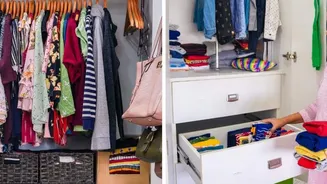
mail piles on the counter or unpacked boxes create a sense of busyness that shrinks your space. Professional organizers emphasize that when everything has its designated place, and surfaces are cleared, your home inherently feels cleaner, tidier, and significantly more expansive. Excessive items scattered around draw the eye, making a room feel smaller and more overwhelming. By systematically clearing these visual distractions, you allow the existing space to breathe and appear larger.
Strategic Furniture Selection
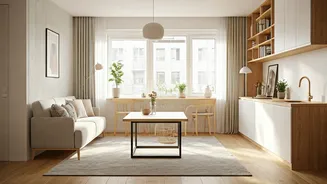
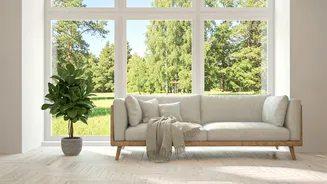
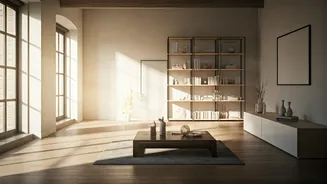
If visual clutter isn't the primary culprit, then an overabundance of furniture might be making your rooms feel suffocating. Experts suggest a targeted approach: go through each area and identify at least one piece of furniture that isn't essential. Prioritize items that have visible space beneath them, such as furniture with legs, as this creates an illusion of greater floor area. Moreover, ensure ample spacing between the remaining furniture pieces. Opting for fewer, larger pieces generally contributes more to an open feel than a collection of small, cramped items. This thoughtful curation of furniture can dramatically alter the perception of room size.
Clear Traffic Flow
Beyond individual rooms, the pathways through your home significantly influence its perceived size. Hallways, often overlooked, can contribute to a feeling of constriction if they are cluttered. Removing bulky decorative items like benches or tables from these thoroughfares is crucial. The fundamental goal here is to eliminate anything that obstructs movement and flow. By ensuring your entryways and connecting passages remain open and unhindered, you allow for a seamless and expansive feeling as you move from one area to another, making the entire home feel more welcoming and airy.
Establish a Drop Zone
The accumulation of small, scattered items, often termed 'micro-clutter,' can make a home feel cramped even if larger items are in place. A highly effective solution is to create a dedicated 'drop zone' near your main entrance. Instead of items like keys, wallets, sunglasses, and mail migrating to kitchen counters or other surfaces, designate a specific spot for them. A tray on a console table by the door serves as an excellent organizer, consolidating these everyday essentials and preventing them from contributing to a cluttered environment throughout your home.
Embrace Concealed Storage
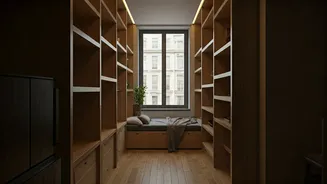
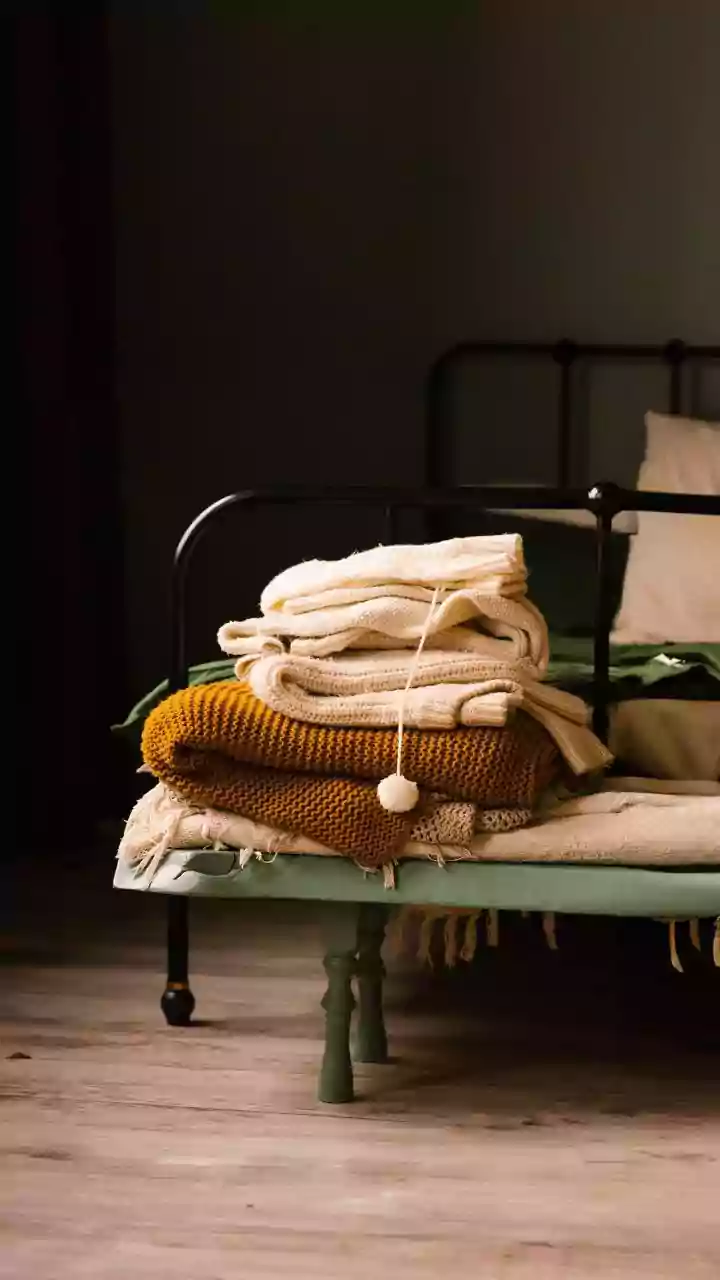
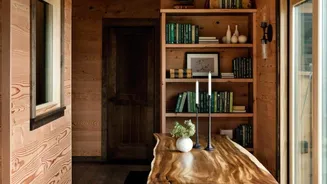
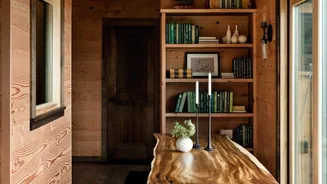
While open shelving can appear stylish, it often leads to visual clutter unless meticulously organized. For a calmer and more spacious aesthetic, organizers recommend opting for concealed storage solutions. Tucking items away in drawers, cabinets, or behind doors creates a much cleaner and more serene visual landscape. Furthermore, using decorative baskets within cabinets or on shelves can add texture and visual interest without contributing to a sense of overwhelm. This approach helps maintain an open, airy feel by keeping unsightly or miscellaneous items out of direct sight.
Maintain Clear Surfaces
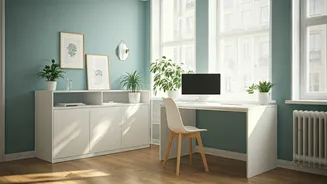
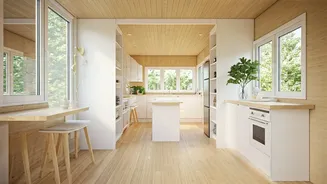
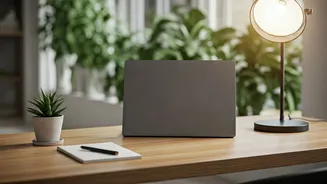
Countertops, particularly in kitchens, are notorious magnets for clutter. Keeping these surfaces consistently clear is a paramount decluttering tip for enhancing spaciousness. Experts advise limiting intentional items on any given surface to just one to three pieces. For instance, in the kitchen, this might include a single appliance, a decorative tray holding a few items, and a decorative object. Applying this principle to coffee tables, a small stack of books and a piece of decor can suffice. This deliberate minimalism on flat surfaces dramatically opens up the space and contributes to an uncluttered, larger-feeling home.