





Echoes of Royalty
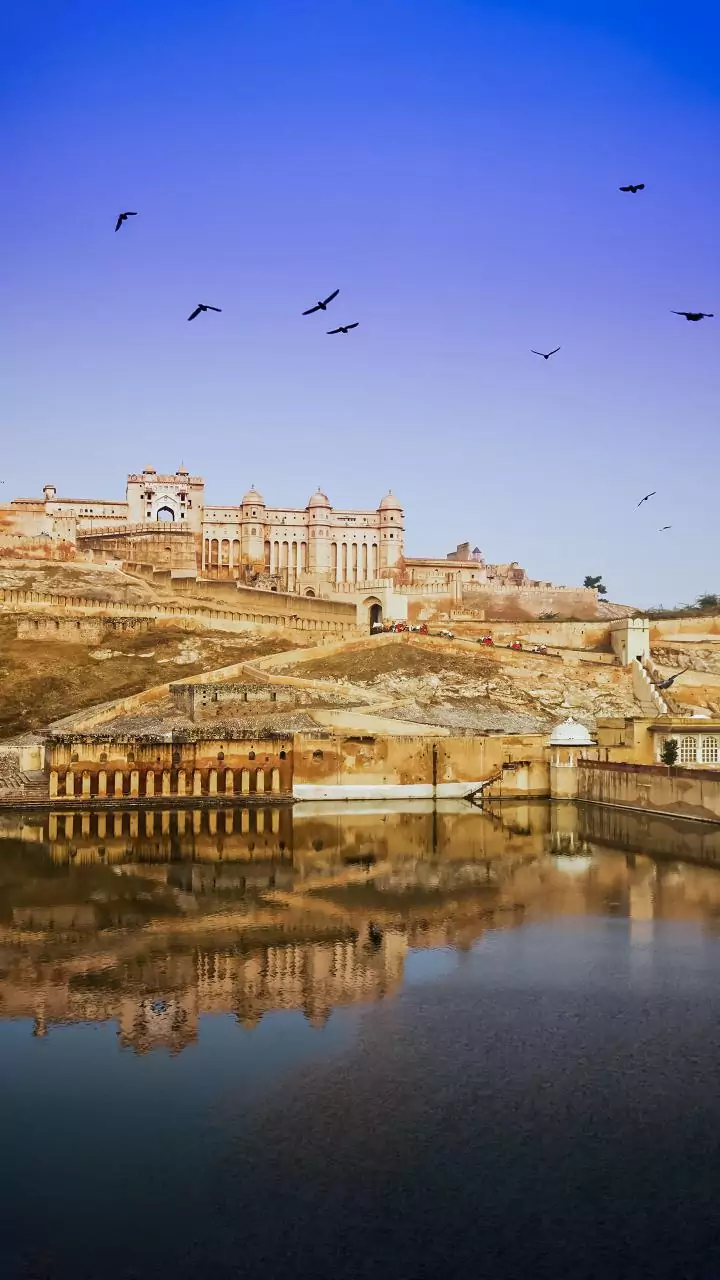
India's royal palaces stand as majestic testaments to a bygone era of immense power, exquisite artistry, and profound cultural richness. These grand structures,
ranging from formidable Rajput fortresses to opulent seats of princely states, provide a captivating window into the lives of maharajas and the diverse architectural achievements of their respective periods. They are not merely buildings but living repositories of history, each stone and intricate detail whispering tales of governance, celebration, and daily life within their hallowed walls. The sheer scale and decorative complexity of these palaces reflect the considerable influence and sophisticated tastes of their royal inhabitants, making them essential destinations for anyone seeking to understand India's historical tapestry.
Lake City's Grandeur
Overlooking the tranquil waters of Lake Pichola, Udaipur's City Palace reigns as one of Rajasthan's most expansive royal complexes. Its construction, spanning nearly four centuries under the stewardship of the Mewar rulers, resulted in a breathtaking ensemble of courtyards, opulent museums, and numerous ornate balconies. The palace complex masterfully integrates various architectural styles, reflecting the evolving tastes and needs of successive rulers. Visitors are treated to panoramic vistas of the shimmering lake, enhancing the immersive experience of stepping back in time. The meticulous preservation of its interiors and exteriors allows a deep appreciation for the enduring legacy of the Mewar dynasty and their architectural vision.
Nizam's Scorpion Seat
Perched dramatically on a hillside with sweeping views of Hyderabad, Falaknuma Palace was once the magnificent residence of the Nizam. Its unique design, reputedly shaped like a scorpion, is a testament to innovative architectural thinking. Inside, the palace houses an astonishing collection, including rare manuscripts, resplendent chandeliers that cast a warm glow, and famously, what is considered one of the world's longest dining tables. This opulent setting vividly encapsulates the extraordinary wealth and refined sensibilities of the Nizam era, offering visitors a glimpse into a period of unparalleled luxury and grandeur, where every detail was curated for maximum impact and aesthetic delight.
European Echoes in Jai Vilas
Jai Vilas Palace presents a fascinating fusion of European architectural styles, a departure from more traditional Indian designs. It is particularly renowned for its magnificent Durbar Hall, an awe-inspiring space adorned with some of the planet's largest chandeliers, creating an atmosphere of sublime grandeur. The adjacent palace museum offers an intimate look into the lavish lifestyle and daily routines of the Scindia royal family, showcasing artifacts and decorative elements that speak volumes about their historical significance and opulent way of life. This palace serves as a remarkable example of how foreign architectural influences were expertly adapted and integrated into the Indian princely landscape.
Gaekwad's Baroda Residence
Laxmi Vilas Palace, the opulent seat of the Gaekwad dynasty in Baroda, is a structure of colossal proportions, reportedly four times the size of London's Buckingham Palace. Its grandeur is evident not only in its immense scale but also in its richly appointed interiors, which prominently feature European design influences. The palace is surrounded by extensive, beautifully landscaped gardens, providing a serene complement to the magnificent architecture. This residence stands as a powerful symbol of the immense wealth and sophisticated tastes that characterized the rulers of Baroda during their reign, offering a profound insight into their power and prestige.
Mysore's Illuminated Majesty
The grand Mysore Palace, the official residence of the Wadiyar dynasty, is celebrated for its striking Indo-Saracenic architectural style. Its interiors are a dazzling display of stained glass ceilings and elaborately decorated halls, creating an atmosphere of regal splendor. The palace holds a special enchantment, particularly during the annual Dasara festival, when it is spectacularly illuminated, transforming into a beacon of light and cultural celebration. This breathtaking spectacle draws visitors from far and wide, showcasing the palace's enduring role as a vibrant center of tradition and festivity for the royal family and the state.
20th Century Royal Abode
Umaid Bhawan Palace, recognized as one of the world's largest private residences, has a unique origin story dating back to the 20th century. It was originally constructed with the intention of providing much-needed employment opportunities to the local population during a period of famine. Today, this monumental edifice continues its dual role: a portion remains a cherished royal home for the descendants of the royal family. The remaining sections are thoughtfully repurposed as a fascinating museum that preserves history and a luxurious hotel that offers guests a taste of regal living, blending historical significance with modern hospitality.