

Irresistible Fluffy Appeal
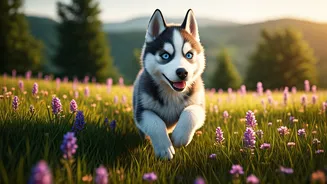
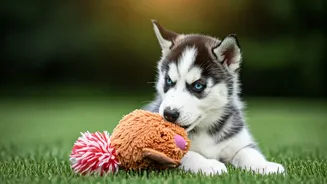
Children are naturally drawn to the striking appearance of Siberian Huskies, often described as having a beautiful, wolf-like charm. Their thick, luxurious
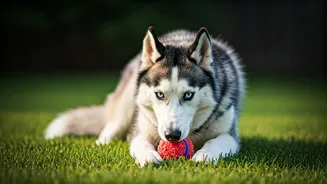
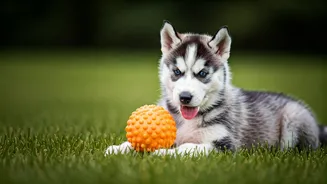
double coat is not only visually appealing but also incredibly soft to the touch, making them irresistible for kids who love to pet and cuddle their furry friends. This tactile appeal creates an immediate bond, with the breed's fluffy exterior fostering a sense of comfort and attachment for young ones. It's a visual and sensory connection that sets the stage for a deep, affectionate relationship. The breed's iconic looks, including piercing blue eyes in many individuals, further enhance their allure, making them a captivating presence in any home with children. This visual magnetism is a significant factor in why kids often gravitate towards Huskies. Their cuddly appearance provides a tangible reason for children to feel a connection and want to interact with them, building a foundation for friendship.
Innate Social Nature
One of the most compelling reasons to welcome a Siberian Husky into a family with children is their inherently social and friendly disposition. These dogs thrive on companionship and are known for their affectionate interactions, particularly with their human families. They generally dislike prolonged periods of solitude, preferring to be involved in family activities or simply resting nearby. This characteristic makes them exceptional playmates and confidants for children, always eager for interaction and affection. Huskies are typically gentle and non-aggressive, especially when they've been raised in a nurturing and positive environment. Their approachable demeanor helps children feel at ease and secure in their presence, fostering a happy and comfortable bond. This sociability ensures they integrate seamlessly into family life, becoming a beloved member rather than an outsider.
Instilling Responsibility
Having a Siberian Husky can serve as an invaluable tool for teaching children about responsibility from a young age. Through age-appropriate tasks, kids can learn to care for their canine companion, contributing to the dog's well-being and developing a sense of duty. These duties might include ensuring the dog's water bowl is always full, assisting with meal preparation, helping to brush the Husky's thick coat, or accompanying the dog on short walks around the house or garden. By engaging in these activities, children learn the importance of consistency and commitment. The act of caring for another living being fosters empathy and a deeper understanding of the needs of others. As children grow alongside their Husky, they absorb essential life skills and develop a strong sense of accountability, all while strengthening their bond with their pet.
Energetic Playmates
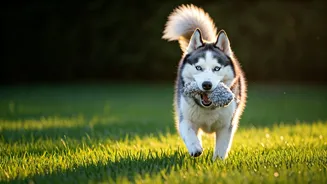
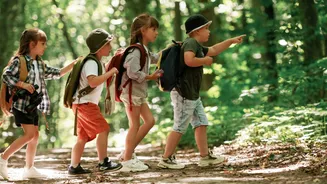
The high energy levels of Siberian Huskies make them perfectly suited as companions for active children. These dogs possess a remarkable vitality that matches the enthusiasm of kids who love to run, play, and explore outdoors. Huskies are naturally inclined towards games like fetch, sprinting, and other engaging activities, which provides an excellent outlet for both the dog's and the child's energy. This shared enthusiasm for physical activity is a significant advantage for families. It encourages children to spend more time engaged in healthy, outdoor play, reducing sedentary habits like excessive screen time. The Husky's boundless energy ensures that playtime is always exciting and fulfilling, promoting a lifestyle of movement and fun for the entire family. Their zest for life translates into countless hours of shared adventure.
Intelligent and Trainable
Siberian Huskies are recognized for their keen intelligence, a trait that greatly benefits families with children. This breed's cognitive abilities mean they can learn a great deal from their interactions with humans, and children can learn equally valuable lessons in return. The bond formed between a child and an intelligent, responsive pet like a Husky can be profound. Their capacity for understanding and learning fosters a unique relationship where both parties grow together. This intelligence also translates into trainability, allowing for effective communication and a more harmonious living experience. Children can find immense satisfaction in teaching their Husky new tricks or commands, further strengthening their connection and mutual respect. The learning process is a two-way street, enriching the lives of both child and dog.
Unwavering Loyalty
A defining characteristic of Siberian Huskies is their profound loyalty to their families. This deep-seated devotion is a powerful characteristic that offers children invaluable life lessons. As children grow with a Husky, they witness and experience the unwavering commitment their pet has towards them and the family unit. This consistent affection and steadfast presence teach children about the meaning of true loyalty and the importance of strong interpersonal bonds. The relationship between a child and a loyal Husky fosters a sense of security and unwavering support, contributing to a child's emotional development. This mutual fidelity creates a powerful, lasting connection built on trust and steadfast companionship, demonstrating a fundamental aspect of healthy relationships.
Thrive in Family Settings
Siberian Huskies are inherently pack animals, meaning they naturally gravitate towards being part of a group or family unit. This innate desire to belong makes them exceptionally well-suited to lively family environments, including those with children. They genuinely enjoy the company of people and seek out opportunities to be near their human companions. Consequently, a Siberian Husky is an excellent selection for families who desire a dog that actively seeks interaction and enjoys being a central part of daily life. Their comfort and happiness are derived from being integrated into the family's routines and activities, ensuring they are not just a pet but a true member of the household. This makes them an ideal choice for creating a cohesive and loving family dynamic.