





Aqua Jogging Power
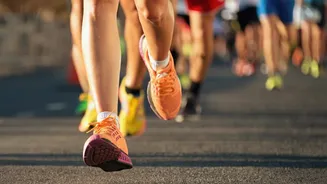
When running isn't an option, especially due to injury, the most beneficial cross-training mimics the activity as closely as possible to ensure that the fitness
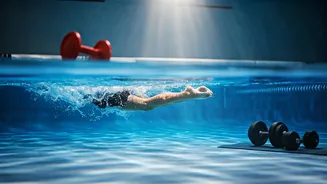
gained directly translates back to your running performance. Aqua jogging excels at this by providing a low-impact environment that simulates running mechanics without the jarring stress on your joints and muscles. This aquatic workout allows for significant cardiovascular conditioning that directly benefits your running endurance. Integrating lower-body strength exercises, performed out of the pool, further enhances your resilience. A typical session involves a warm-up of ten minutes of aqua jogging, followed by sets that alternate between ten minutes of intense aqua jogging at a 5K-10K effort pace and five minutes of recovery aqua jogging. Between these intervals, you'll perform ten lunges and fifteen bodyweight squats, ensuring your leg muscles remain strong and prepared. The workout concludes with a ten-minute aqua jogging cool-down, leaving you conditioned and ready for your next running session.
Swimming for Recovery
Swimming stands out as a premier supplemental training choice, particularly for aiding recovery and maintaining overall conditioning without introducing any impact. This form of exercise promotes circulation throughout the entire body, delivering vital nutrients to muscles without the repetitive stress inherent in running. While the same muscle groups used in running are engaged, they are utilized in a fundamentally different manner, making swimming an ideal activity for active recovery. It's perfect for the day after a strenuous workout or a long run, allowing your body to recuperate while staying active. You don't need a complex routine; simply engaging in 20 to 30 minutes of gentle lap swimming is sufficient to reap the benefits of improved blood flow and muscle engagement, ensuring you stay limber and aid muscle repair without aggravating any running-related issues.
30-Minute Strength
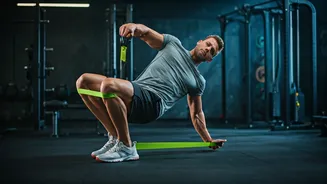
This dynamic 30-minute exercise regimen is highly recommended for runners, as it specifically targets crucial areas like the core and addresses muscular imbalances often created by the repetitive nature of running. Many of the movements are performed unilaterally, meaning one limb at a time, which helps to correct asymmetries and build a more balanced physique. The workout structure involves performing eight distinct exercises back-to-back, with a one-minute rest period after completing the entire circuit. Each set begins with a one-minute squat, followed by 45 seconds of single-leg deadlifts. Then, perform one minute of pushups, and 45 seconds of side lunges on each leg. Next, complete 45 seconds of single-leg squats on each leg, followed by a one-minute plank. This is then succeeded by 30 seconds of side planks on each side, and finally, 30 seconds of bird dog on each side. The goal is to complete three full sets of this challenging sequence to significantly enhance core strength and stability.
Targeted Stretching Routine
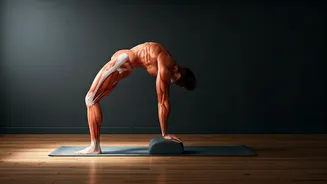
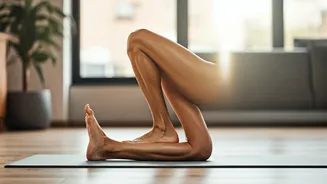
To expedite your return to running after an injury, incorporating targeted stretching is crucial for alleviating tightness and improving flexibility. The calf stretch involves standing with support, stepping one leg back while keeping the knee straight and heel grounded, then bending the front knee to feel the stretch. This is important because tight calf muscles can contribute to injuries like shin splints, ankle pain, and plantar fasciitis. Next, the hip flexor stretch is performed from a kneeling position; step one leg forward into a 90-degree bend, place hands on the thigh, and gently press hips forward. This stretch targets the top of the thigh and is vital as prolonged running and weak glutes often lead to tight hip flexors, which can cause poor posture and hip or lower back pain. Lastly, the IT band stretch involves using a strap to gently pull one leg across the body while keeping the hip grounded to stretch the iliotibial band, which runs down the outside of the leg. Tightness here can lead to knee pain due to friction on the kneecap.