




Gather & Prepare
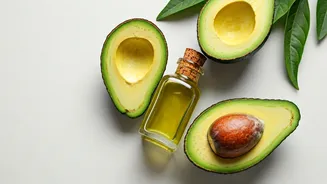
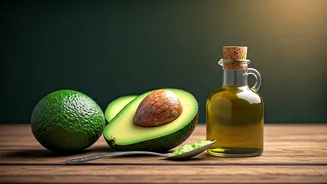
Embarking on your homemade avocado oil journey begins with selecting the star ingredient: ripe avocados. You'll need approximately 12 perfectly ripened
fruits for this process. Once you have your avocados, the first physical step involves carefully slicing them open, removing the hard inner pit, and then scooping out all of the soft, creamy flesh into a bowl. It's crucial to ensure you're only collecting the green flesh and discarding both the skin and the pit, as these components do not contribute to the oil extraction. This preparation ensures that only the desired part of the avocado is used in the subsequent blending and cooking stages, setting a clean foundation for your oil-making endeavor.
Blend & Combine
With the avocado flesh meticulously scooped out, the next phase involves transforming this pulpy mass into a smoother consistency. Transfer the collected avocado flesh into a blender. To this, you will add one tablespoon of coconut oil. This addition of coconut oil acts as a facilitator, aiding in the emulsification process and contributing to a more efficient extraction of the avocado's natural oils. Power on the blender and process the mixture until it achieves a perfectly smooth, homogenous texture. The goal is to break down all fibrous parts of the avocado, creating a uniform paste that is ready for the cooking stage, ensuring no large chunks remain.
Cook Until Oiled
The blended avocado and coconut oil mixture is now ready for the transformative cooking process. Carefully pour this smooth paste into a high-quality non-stick pot. It's essential to cook this mixture over low heat. Stirring occasionally is vital to prevent sticking and ensure even heating. You will observe a significant change as the cooking progresses; the mixture will gradually darken in color, eventually turning a rich, dark brown hue. Simultaneously, you'll notice the oil beginning to separate from the solids. Continue this slow cooking process until this distinct separation is clearly visible, indicating that the avocado oil has been successfully rendered.
Cool & Strain
Once the oil has visibly separated and the mixture has reached the desired dark brown color, it's time to remove it from the heat. Allow the mixture to cool slightly. It should be warm to the touch, but not excessively hot, making it safe to handle for the next step. Prepare a clean bowl or jar to collect your precious oil. You'll then need a piece of cheesecloth; place this over your collection vessel. Carefully transfer the slightly cooled avocado mixture into the cheesecloth. The next action is to firmly squeeze the cheesecloth, working to extract as much of the liquid oil as possible into the bowl or jar below.
Refine for Purity
To achieve a cleaner, more refined avocado oil, you have an optional but recommended step. After you have squeezed out the bulk of the oil using the cheesecloth, you can further purify it. This involves using a filter. A common and effective method is to pour the extracted oil through a coffee filter. This process helps to remove any lingering small particles or impurities, resulting in a clearer final product. Once filtered, your homemade avocado oil is ready for use. Store it in an airtight container in a cool, dark place to maintain its freshness and quality.