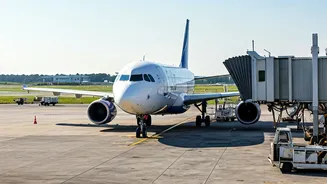







Flight Cancellations Surge
The aviation sector witnessed a significant disruption as Indigo experienced a high number of flight cancellations. Specifically, over 200 flights were
canceled across various locations. This issue was particularly acute in Bengaluru and Hyderabad, where a considerable number of flights were affected, leading to widespread disruptions. The cancellations created significant issues for passengers who were set to fly, leading to missed connections, rebooking challenges, and possible delays. Airlines often face disruptions, yet the scope of today's cancellations is substantial, reflecting the complexities of managing air travel operations in India. The reasons behind the cancellations may range from weather conditions to maintenance issues or even staffing shortages, requiring investigation into the root causes to prevent such occurrences in the future.
Impacted Regions Examined
The effects of the widespread Indigo flight cancellations were predominantly felt in Bengaluru and Hyderabad, two major aviation hubs in India. These cities witnessed the highest number of flight disruptions, which resulted in significant stress for both travelers and the airline itself. The cancellation of so many flights created chaos at airports, with passengers struggling with extended wait times, rebooking challenges, and a general lack of information. The operational disruptions in these critical areas highlighted the interconnectedness of India’s aviation network. Delays in one city can create a ripple effect, impacting flights in other cities and causing further complications for travelers. The scale of the flight cancellations prompted an examination of the causes, ensuring travelers and stakeholders understood the specific reasons that led to these widespread problems.
Causes of Disruptions
Several factors potentially contributed to the extensive flight cancellations seen today. Weather-related disruptions may have played a part, with adverse conditions impacting flight operations. Maintenance issues could have grounded certain aircraft, thereby limiting the number of available flights. Staffing shortages might also have been a problem, especially during peak travel times, which led to fewer flights. Various operational challenges, including air traffic control delays or unexpected ground handling difficulties, could have further exacerbated the issues, leading to flight cancellations. These issues highlighted the inherent complexities of maintaining an efficient aviation system, where numerous factors need to function seamlessly for smooth operations. Understanding the underlying causes of these disruptions is critical to creating solutions that reduce future inconveniences for travelers and increase the reliability of airline services.
Traveler Implications Explored
The sudden flight cancellations brought about notable implications for numerous travelers. Many passengers were left with delayed travel plans, missed connections, and unanticipated accommodation changes. Passengers faced a significant amount of stress while striving to adapt to the disruptions, often dealing with long queues at airport service desks and experiencing problems with information. The cancellations also had potential effects on business travelers, potentially creating difficulties in attending meetings, adhering to deadlines, or managing other work commitments. The disruptions underscored the need for airlines to provide clear, prompt communication, and offer readily available support to passengers. The incident highlighted the importance of robust contingency plans to manage disruptions and minimize the effect on the travel experience. Airlines must provide appropriate resources to ensure passengers are well-informed and assisted during such disruptive incidents.
Airline Responses Assessed
In light of the extensive flight cancellations, Indigo's response became crucial for assisting passengers. The airline likely faced the task of rebooking flights, managing passenger inquiries, and providing necessary support. Rapid and efficient communication to the affected passengers was necessary to disseminate information about the cancellations and to inform them of available options. Airlines may have provided vouchers, alternative flight arrangements, or other types of assistance. The effectiveness of the airline's reactions played a key role in influencing passenger satisfaction and controlling the impact of these disruptions. Evaluation of the airline's strategies would prove critical in enhancing its preparedness for future incidents, and in improving its capacity to provide effective support during turbulent times.
Looking Ahead: Mitigation
To prevent similar disruptions in the future, several preventative measures should be taken by both airlines and aviation authorities. Investing in infrastructure improvements, such as enhanced weather monitoring systems and improved air traffic control systems, could reduce the likelihood of weather-related delays. Routine maintenance and proactive aircraft inspections can help avoid breakdowns that lead to cancellations. Airlines must concentrate on workforce planning, which includes ensuring proper staffing levels to maintain operational consistency. Investing in technological improvements, such as automated systems for flight scheduling and real-time passenger updates, can greatly improve efficiency and communication. These efforts will help lessen the potential for future disruptions, ensuring a more dependable and smooth travel experience for passengers.