






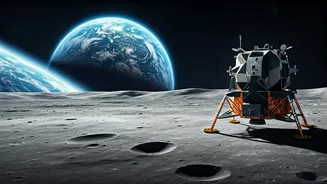
The New Frontier
The quest for advanced AI capabilities has propelled a bold new frontier: space. Visionaries like Jeff Bezos, through his company Blue Origin, and Elon
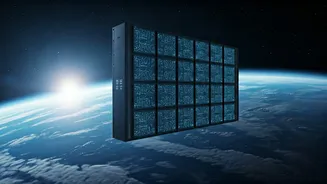
Musk, with SpaceX, are keenly focused on establishing data centers beyond Earth's atmosphere. This endeavor is driven by the escalating demand for powerful computing resources. The volume of data required to train and operate sophisticated AI models is consistently increasing, placing significant strain on existing terrestrial infrastructure. Launching data centers into space presents a viable solution by providing access to abundant energy, reduced latency for certain applications, and an environment largely free from terrestrial interference. The strategic foresight of these tech titans indicates that the future of AI is undeniably linked to the vastness of space. They are not merely aiming to build data centers, but to establish the infrastructure for the next generation of computing.
Strategic Advantages Unveiled
Operating AI data centers in space offers several compelling strategic advantages. The first is access to continuous and unlimited solar energy. In space, solar panels can absorb energy without the constraints of weather or night cycles, ensuring a consistent power supply. This is crucial for energy-intensive AI operations. Another key advantage is the potential for reduced latency in certain applications. Data transfer speeds can be dramatically improved, especially for global communication and applications that involve vast amounts of data. Moreover, the space environment shields data centers from many of the physical and geopolitical risks that plague earth-bound facilities. Natural disasters and political instability pose substantial threats to the uninterrupted operation of terrestrial data centers. In space, these risks are minimized, making data centers more secure and reliable. The combination of these benefits – abundant energy, reduced latency, and enhanced security – positions space as the ultimate location for future AI infrastructure.
Technological Hurdles Ahead
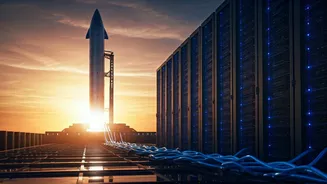
Despite the undeniable allure of space-based AI data centers, significant technological hurdles must be overcome. One of the most significant challenges is the cost associated with launching and maintaining infrastructure in space. The initial investment to build, launch, and support these facilities is extraordinarily high. Additionally, the harsh conditions of space present several engineering challenges. The intense radiation, extreme temperatures, and vacuum environment necessitate robust designs and materials capable of withstanding these forces. Furthermore, the issue of maintenance adds complexity. Repairing or upgrading equipment in space is far more difficult and expensive than on Earth. Innovations in robotics and automation will be key in mitigating these challenges. Moreover, the development of sustainable space-based power generation and efficient thermal management systems are vital for the long-term viability of these projects. Addressing these technological hurdles will be crucial for realizing the vision of AI data centers in space.
Impacts and Future Possibilities
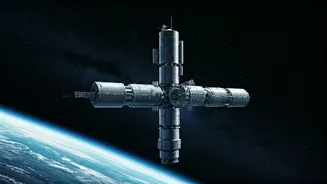
The establishment of AI data centers in space would have profound implications for a variety of sectors. Firstly, it would dramatically accelerate the pace of AI development. The availability of powerful, uninterrupted computing resources would enable researchers and developers to create more complex and sophisticated AI models. Industries such as medicine, finance, and scientific research would experience significant breakthroughs as AI-driven solutions become more capable and efficient. Moreover, the move to space could foster innovation in satellite technology and space-based communication networks. As data centers become integral parts of the space infrastructure, they could boost the development of efficient and reliable systems for data transmission and processing. Looking ahead, this initiative could usher in a new era of space exploration, opening up exciting possibilities for resource extraction, advanced manufacturing, and deep-space research. The potential impacts are as expansive as the universe itself.