




Seal Out the Sun
Direct sunlight is a primary culprit for heating up homes, particularly during intense Indian summers. To combat this, strategically employ window treatments
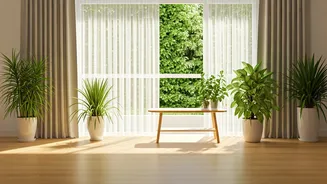
like heavy, light-colored curtains or blinds, ensuring they are kept closed during peak sun hours. For an additional layer of defense against solar radiation, consider external solutions such as awnings or shutters. These not only deflect sunlight but also offer a significant reduction in heat entering the building. On a larger scale, thoughtful landscaping with trees and shrubs planted to cast shade on your home can provide natural cooling, acting as living barriers against the sun's harsh rays. This proactive approach to blocking heat at its source is fundamental to maintaining a cooler indoor environment without artificial means, making your home a more pleasant space to inhabit when temperatures soar.
Optimize Home Ventilation
Effective ventilation is crucial for dissipating accumulated heat and bringing in cooler air. Leverage the natural temperature drop by opening windows wide during the night to allow cool air to circulate throughout your home. Creating a cross-breeze by opening windows on opposite sides of the house can dramatically improve airflow and the rate at which stale, warm air is replaced. Fans, both ceiling and portable, play a vital role in this process by circulating air and creating a wind-chill effect that makes the ambient temperature feel cooler. Position them strategically to either draw in cooler outside air or expel hot air from within. For more significant air exchange, a whole-house fan, typically installed in the attic, can rapidly vent warm air out of the entire structure, significantly lowering the indoor temperature.
Minimize Internal Heat Sources
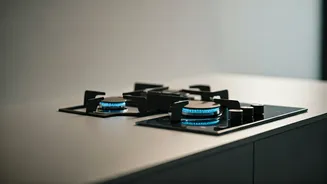
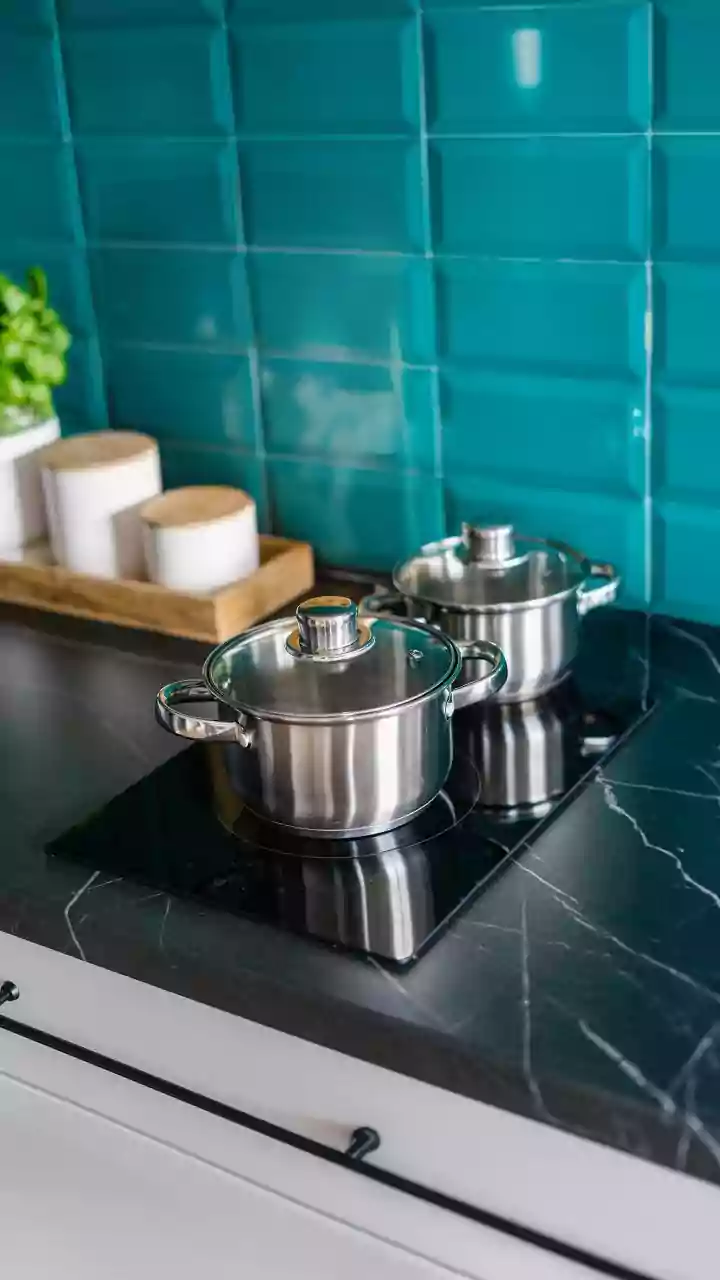
Many common household activities and appliances contribute to the heat load within your home, even if not immediately obvious. Reducing the use of heat-generating appliances like ovens, dryers, and dishwashers, especially during the hottest parts of the day, can make a noticeable difference. Opting for alternative cooking methods or scheduling their use for cooler evening hours is a practical step. Furthermore, upgrading to LED light bulbs is a smart move; they consume less energy and produce substantially less heat compared to traditional incandescent bulbs. Even seemingly dormant electronics can emit a small amount of heat, so unplugging devices when they are not in use helps to minimize this ambient warmth, contributing to a cooler overall living space.
Window Systems Matter
Windows are a significant yet often overlooked pathway for heat to enter a home. Investing in high-performance uPVC window systems designed with superior insulation and sealing capabilities is a key strategy. These modern windows feature multi-chambered profiles that act as thermal barriers, effectively reducing heat transfer. Coupled with advanced sealing mechanisms, they minimize the infiltration of hot outdoor air and prevent the escape of any cooled air, contributing to a more stable and comfortable indoor climate. The choice of window design is also critical; sliding windows offer efficiency and consistent ventilation, casement windows provide near-airtight closure for maximum insulation, and tilt-and-turn windows offer versatile ventilation control, allowing fresh air while limiting direct heat entry. These intelligently designed systems significantly reduce reliance on artificial cooling methods.
Smart Interior Strategies
Beyond structural elements, interior design and thoughtful planning can further enhance your home's cooling efficiency. Employing solar-control strategies such as using light-colored or reflective curtains can deflect solar radiation, preventing heat absorption. Equally important is spatial planning; an uncluttered and well-organized interior promotes better air circulation, which naturally improves thermal comfort. Avoid overcrowding spaces, as this can trap heat and restrict airflow. While indoor plants can contribute to a sense of calm and improve air quality, the primary impact on cooling comes from structural efficiency and smart design choices that facilitate natural airflow and minimize heat buildup within the living space.