





Starting Your Moringa Journey
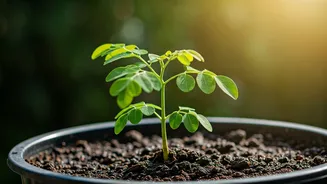
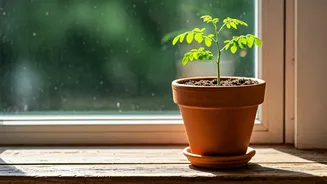
Embarking on growing your own moringa tree is remarkably accessible, especially for novices. The most recommended method for beginners involves starting
with seeds, as they tend to sprout readily and grow with impressive speed. You have two primary options: sowing the seeds directly into your garden soil or initiating their growth in small pots. Regardless of your choice, ensure the seeds are planted about an inch deep into well-prepared soil. Patience is key; within one to two weeks, you should witness the delightful emergence of your first moringa sprouts. This initial phase is crucial for establishing a strong foundation for your young tree, setting the stage for its future growth and abundant yield.
Ideal Soil & Drainage
The foundation of a healthy moringa tree lies significantly in the quality and composition of its soil. This remarkable plant thrives in light, well-draining soil, a characteristic essential for preventing water from accumulating around its root system, which can lead to detrimental issues. A well-balanced mix is ideal, typically comprising garden soil, sand, and compost. This combination ensures adequate aeration and prevents waterlogging. It's highly advisable to steer clear of heavy clay soils, as they are prone to retaining too much moisture, posing a significant risk to the health of your moringa's roots and potentially hindering its overall development. Proper soil preparation is paramount for a flourishing tree.
Smart Watering Practices
Moringa is renowned for its drought-resistant nature, meaning it doesn't demand copious amounts of water to flourish. However, consistent and appropriate hydration is still a vital aspect of its care. When your moringa seedling is in its nascent stages, aim to water it whenever the top layer of the soil feels dry to the touch. It's crucial to exercise caution and avoid overwatering, as excess moisture can be detrimental to the roots. As the tree matures, its water requirements may change, but the principle of checking soil moisture before watering remains a sound practice. Balancing hydration is key to supporting healthy growth without causing stress to the plant.
The Art of Pruning
Pruning plays an indispensable role in nurturing a robust and productive moringa tree. Incorporating regular pruning into your cultivation routine, ideally once a month, yields significant benefits. This practice encourages the plant to develop a bushier, fuller appearance by stimulating new growth and producing a greater abundance of leaves. Furthermore, judicious pruning is instrumental in managing the tree's size, preventing it from becoming excessively tall and unruly. By keeping its growth in check, you ensure it remains a manageable and aesthetically pleasing addition to your home, maximizing leaf production for harvest and maintaining its overall health and vigor.
Sunlight and Fertilization Needs
Ensuring your moringa tree receives adequate sunlight is a fundamental requirement for its robust development. These trees flourish in warm climates and ideally need around six hours of direct sunlight each day. Planting your moringa in a location where it can bask in ample sunshine will significantly boost its growth rate and contribute to stronger, more resilient stems. Insufficient sunlight can lead to a weak, poor-quality plant. While moringa doesn't require heavy fertilization, occasional feeding can be beneficial. The most effective approach is to provide nourishment through organic compost on a regular basis, offering a natural and sustainable way to supplement its nutrient intake and support its overall vitality.