





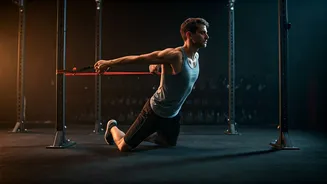


Warm-up Before Workout
Before commencing any exercise regimen, especially in winter, the importance of a proper warm-up cannot be overstated. A warm-up readies the body for physical
activity, enhancing blood flow to muscles and increasing their flexibility. This process not only boosts performance but also significantly diminishes the risk of injuries such as strains and sprains. Simple activities like brisk walking, light jogging, or arm circles for 5-10 minutes can effectively prepare your body. Incorporating dynamic stretches like leg swings, torso twists, and arm stretches further improves mobility and gets your muscles ready for more intense movements. When exercising in the cold, a comprehensive warm-up is even more critical, ensuring your muscles are pliable and responsive to prevent sudden injuries, thus paving the way for a safer and more effective workout experience.
Walking and Hiking
Walking and hiking are excellent, low-impact exercises that can be easily adapted to winter conditions. Both activities are beneficial for bone health as they involve weight-bearing movements, which stimulate bone formation. Walking, whether indoors on a treadmill or outdoors on cleared paths, provides a consistent and gentle workout suitable for all fitness levels. Hiking, on the other hand, can offer a more challenging experience, especially if you choose trails with varied terrain. When hiking in winter, it's crucial to be cautious of icy conditions and wear appropriate footwear with good traction to prevent slips and falls. Regardless of the chosen activity, aim for at least 30 minutes of walking or hiking most days of the week to promote bone strength and overall cardiovascular health. Remember to adjust the intensity and duration based on your current fitness level and the weather conditions.
Strength Training Routines
Incorporate strength training into your winter exercise routine to enhance bone density and muscular strength. Strength training exercises, such as squats, lunges, and push-ups, are vital because they directly load the bones, stimulating bone-building cells and increasing bone mass. Resistance training using weights, resistance bands, or even your body weight is highly effective. Squats are excellent for working the major muscles in your legs and glutes, while lunges enhance balance and target individual leg muscles. Push-ups are a great way to work your chest, shoulders, and triceps, improving upper-body strength. Start with a weight or resistance level that challenges you without causing strain, and gradually increase the intensity as you get stronger. Aim to perform strength training exercises two to three times per week, allowing rest days in between to help your muscles recover and rebuild. This will lead to stronger bones and a more robust physique, enhancing your overall well-being.
Balance Exercises Importance
Improving balance is crucial for reducing the risk of falls, particularly during the winter months when icy conditions can be treacherous. Balance exercises help to improve your stability and coordination, making you less likely to stumble or lose your footing. Simple exercises like standing on one foot, heel-to-toe walking, and using a balance board are highly effective. Standing on one foot can be done anywhere and challenges your balance by forcing you to stabilise your core and lower body. Heel-to-toe walking enhances your ability to shift your weight and maintain a steady gait. For a more advanced challenge, a balance board can be used to improve your overall stability. Incorporating balance exercises into your routine, even for a few minutes each day, can lead to significant improvements in your stability and reduce your risk of falls, supporting the safety of your exercise regime in the winter season.
Yoga and Pilates Benefits
Yoga and Pilates provide a holistic approach to exercise that can significantly benefit bone health, flexibility, and overall well-being during the winter. Both practices incorporate a range of movements that promote strength, balance, and body awareness. Yoga poses, such as the warrior series and tree pose, improve muscle strength, flexibility, and balance, which helps to protect against falls. Pilates focuses on core strength and stability, critical for supporting the spine and improving posture. The controlled movements in Pilates also enhance muscle tone and body alignment, which is essential for overall health. Practicing yoga and Pilates regularly can help improve bone density through weight-bearing and resistance exercises. They also enhance flexibility and reduce the risk of injuries, making them ideal for winter exercise. Whether you’re a beginner or an experienced practitioner, integrating these activities into your routine will foster both physical and mental resilience.
Swimming and Water Aerobics
Swimming and water aerobics are excellent choices for winter exercise, especially if you have access to an indoor pool. These activities are low-impact, meaning they put minimal stress on your joints, making them suitable for people of all ages and fitness levels, including those with joint pain or other mobility limitations. Water’s buoyancy reduces the impact on bones and joints while still providing resistance, which helps to build muscle strength and improve bone density. Swimming offers a full-body workout that engages multiple muscle groups, enhancing cardiovascular health. Water aerobics classes combine cardio and strength training, often including exercises like walking, jogging, and kicking in the water, which are gentler on the body than similar exercises on land. Both swimming and water aerobics are also excellent for improving flexibility and circulation, providing a refreshing and effective way to stay active during the winter months. They are a safe and enjoyable option to boost your well-being.
Tai Chi Exercises
Tai Chi, an ancient Chinese martial art, is a gentle, low-impact exercise that is incredibly beneficial for bone health, balance, and overall well-being. Tai Chi involves slow, deliberate movements that require focus and coordination, making it ideal for improving stability and reducing the risk of falls. The weight-bearing nature of the movements, coupled with the emphasis on body alignment, promotes bone density. Regular practice can lead to increased muscle strength, enhanced flexibility, and improved cardiovascular health. Tai Chi’s meditative aspect can also reduce stress and improve mental clarity, which is particularly beneficial during the winter months. Many community centers and fitness facilities offer Tai Chi classes for all fitness levels. With its low-impact nature, Tai Chi provides a safe and effective way to exercise during winter, contributing to both physical and mental well-being.
Vitamin D Importance
Adequate vitamin D intake is critical for bone health, especially during winter when sunlight exposure is limited. Vitamin D plays a vital role in calcium absorption, which is essential for building and maintaining strong bones. Since sunlight is the primary source of vitamin D, reduced exposure during winter can lead to deficiencies. You can maintain optimal vitamin D levels by including vitamin D-rich foods in your diet, such as fatty fish, egg yolks, and fortified foods like milk and cereals. You can also consider taking vitamin D supplements, particularly if you are unable to get enough sunlight or have dietary restrictions. The recommended daily intake of vitamin D varies based on age and health status, so consulting with a healthcare professional can help you determine the appropriate dosage for your needs. Monitoring your vitamin D levels and taking proactive steps to maintain adequate intake will significantly support your bone health throughout the winter.
Proper Exercise Gear
Wearing appropriate gear is essential for safe and effective winter exercise. Layering your clothing is important to regulate your body temperature, as you may warm up during the workout and cool down once it's over. Start with moisture-wicking base layers to draw sweat away from your skin, followed by insulating mid-layers to retain heat, and a waterproof and windproof outer layer to protect you from the elements. Footwear should provide good traction, especially on snowy or icy surfaces, reducing the risk of slips and falls. Consider wearing insulated gloves or mittens to keep your hands warm and a hat to prevent heat loss through your head. Additionally, wearing reflective gear or bright clothing when exercising outdoors enhances visibility, especially during low-light conditions. Staying warm and visible will help you exercise safely and comfortably, ensuring you can stick to your routine through winter.