


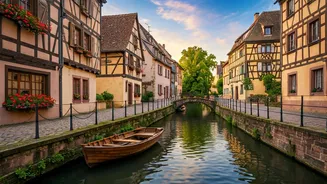


Island's Allure
Île de Ré, an island gem off the coast of La Rochelle, presents a landscape of remarkable flatness, with beaches mirroring the subtle hues of pancake batter.
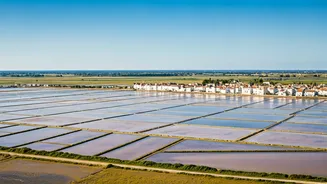
Its proximity to the powerful Atlantic Ocean makes its very existence seem like a marvel, especially when vast swells crash against its western and southern shores. This is no mere sunbathing spot; the island’s architectural tapestry is woven with threads of history, narrating tales of prosperous merchants who bartered salt and wine for the very stones that built their homes. A journey into the island's heart reveals sprawling vineyards and the distinctive, crisscrossed paths that wind above shimmering salt flats, dotted with huts belonging to oyster dredgers and crowned by conical salt piles. Accessibility is a key feature, with a bridge seamlessly connecting it to La Rochelle, making it a beloved destination for French families seeking seaside holidays, particularly during the summer months. The island boasts a diverse array of beaches, catering to everyone from thrill-seekers eager for windsurfing and paddleboarding to those yearning for a tranquil escape amongst sand dunes with a good book, shielded from the coastal breezes.
Seasonal Delights
The island of Île de Ré experiences a distinct seasonality, often bustling with Parisians during the peak summer holidays. Visiting in winter offers a starkly different, tranquil experience, with the island feeling quite deserted; its year-round population hovers below 18,000. There's a certain magic to winter, as Atlantic storms roll in, yet the bridge connection ensures you won't be marooned. Summer attracts millions of visitors, with the majority flocking in July and August. While the weather is reliably warm and sunny, accommodations become scarce and expensive, requiring advance booking. Most of the island's vibrant festivals occur during this time. 'Jazz at the Lighthouse,' for instance, spans five days in early August at the Phare des Baleines, the westernmost lighthouse. While main festival events have a fee, a program of free events, including cafe concerts, runs concurrently. For a delightful balance of pleasant weather, open amenities, and the active salt-harvesting season, June and September are considered ideal months to visit, offering a more serene yet fully operational island experience.
Island Exploration
The ideal duration for an Île de Ré visit depends on your desired pace. For an authentic French holiday experience, dedicating a full month allows for languid days spent at the beach and leisurely cycling excursions between oyster shacks. However, even with less vacation time, the entire island can be thoroughly explored in just three to four days by bicycle, thanks to its entirely flat network of cycle paths. A week-long stay, as experienced in childhood, is also highly recommended, though a longer visit would always be welcome. Remember to factor in travel time to La Rochelle, the mainland access point. Direct flights are available from the UK, while travelers from the United States will likely transit through Paris or Bordeaux, each a 2.5-hour train journey from La Rochelle. This allows for efficient planning, whether you're seeking a brief escape or an extended immersion in the island's unique charm.
Navigating the Island
On Île de Ré, cycling is not merely a mode of transportation; it's a way of life, almost a religion. While the island is not entirely car-free, driving is far from the most practical option. Parking is often limited and costly, and the roads are meticulously designed with numerous crossings for pedestrians and cyclists, who are given priority. This makes navigating narrow, cobbled streets in historic towns like Saint-Martin-de-Ré particularly challenging in a larger vehicle. Fortunately, the island boasts an excellent network of complimentary electric shuttle buses, making it easy and eco-friendly to get around. Upon arrival via the bridge from the mainland, a toll of €8–€16, varying by season, is applied. This fee contributes to the island’s preservation efforts and supports initiatives like the free shuttle service. There is no charge for departing the island. For maritime enthusiasts, arriving by sailboat is also an option, with the ability to bring your bicycle aboard.
Top Activities
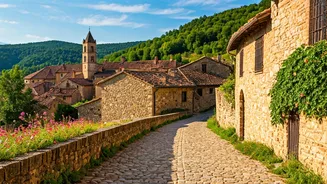
Île de Ré offers a wealth of engaging activities. Kayaking the marshes at Loix provides a unique, almost parkour-like water adventure where constantly shifting tides dictate the route, sometimes requiring you to drag your kayak or wade through mud. Guided tours are invaluable in this intricate labyrinth of marshes, which from above resemble a vibrant patchwork quilt. Off the water, Loix is a charming, lived-in town with unique character, home to an excellent bookshop with a café serving local coffee and a workshop specializing in antique document restoration, offering guided tours for €5. Explore the picturesque streets of Saint-Martin-de-Ré, a historic fortified town from the Middle Ages, renowned for its well-preserved Vauban ramparts. Its streets are a visual delight with whitewashed or pastel houses, colorful shutters, and abundant flowers. The old harbor teems with seafood restaurants, ranging from casual to upscale. For surf enthusiasts, Le Bois Plage offers consistent, gentle waves perfect for beginners, with a surf school located on Gros Joncs Beach. No visit is complete without tasting oysters directly from the source, often accompanied by local wine, at one of the island's many oyster shacks, such as . Finally, the island's beaches cater to all tastes, from the serene Trousse Chemise Beach, where you can even picnic on a sandbank at low tide, to those ideal for water sports.