




Crust's Crispy Contributions
The sturdy exterior of a bread loaf, the crust, is a culinary marvel waiting to be utilized. Its inherent dryness and robust structure make it an exceptional
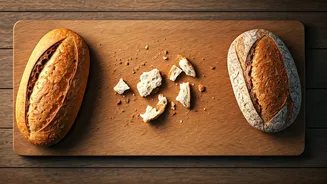
candidate for creating wonderfully crisp breadcrumbs. When dried thoroughly and processed, these crust-derived crumbs offer a satisfying crunch, perfect for coating items like cutlets and schnitzels, ensuring they remain deliciously textured even after cooking. Furthermore, these crust pieces can be transformed into delightful croutons; simply cube them, toss with a bit of oil, and bake until golden and crisp. These homemade croutons lend a superb textural contrast and a subtle, toasty flavor to soups and salads. Beyond toppings, the crust finds a valuable place in savory baked dishes such as casseroles and bread puddings. Its ability to absorb liquids gradually while maintaining its form prevents these dishes from becoming overly soggy. The browning that occurs during the baking process imbues the crust with deep, roasted flavors, which can significantly enhance the richness and provide a delightful crunchy finish to a variety of savory preparations.
Crumb's Comforting Qualities
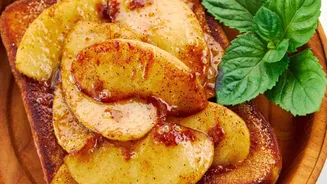
In contrast to the firm crust, the bread crumb offers a softer, more yielding texture that is integral to many recipes. Its airy and absorbent nature makes it an excellent binding agent, crucial for holding together mixtures in dishes like meatballs, kebabs, and vegetable cutlets, ensuring they remain moist and tender throughout the cooking process. The crumb is remarkably adept at soaking up a variety of liquids, from milk and stock to aromatic spices and herbs. This characteristic makes it incredibly versatile across different cuisines, allowing for even flavor infusion without overwhelming the primary ingredients. In the realm of sweet treats, bread crumbs play a starring role in classic desserts such as bread puddings and French toast. They readily absorb the custardy mixtures, syrups, and creams, contributing to soft, deeply flavorful, and comforting desserts. The crumb's mild, wheaty taste acts as a wonderful canvas, allowing the flavors of other ingredients to shine. It adds a sense of comfort and moisture without making a dish feel heavy, establishing it as an indispensable element in both sweet and savory culinary creations.
Synergy of Crust and Crumb
While crust and crumb possess distinct properties, their combined use often yields the most remarkable culinary outcomes. Many beloved baked dishes, ranging from hearty savory bread puddings to intricately layered bakes, thrive on the dynamic interplay between these two components. The crumb's capacity to absorb liquids and flavors provides a tender, moist interior, while the crust contributes structure, a satisfying bite, and an appealing textural contrast, keeping the overall dish interesting and well-balanced. Embracing both parts of the loaf also aligns with a more mindful and sustainable approach to food preparation. Instead of discarding crusts or solely utilizing the central slices, recognizing the unique strengths of each allows for the creation of more complete and resourceful meals. By integrating both the crust and crumb, you can maximize the flavor, texture, and utility of every loaf of bread, minimizing waste and enhancing your cooking endeavors.