





Smart Food Choices
Navigating the world of food for blood sugar management can seem complex, but experts consistently highlight certain categories and specific items that
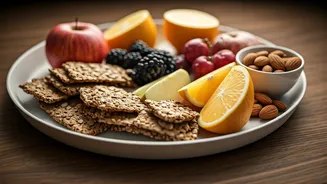
offer significant benefits. Prioritizing foods rich in fiber and lean protein is a cornerstone recommendation for promoting satiety and slowing glucose absorption into the bloodstream. For instance, whole grains like oats and quinoa, legumes such as lentils and beans, and a variety of non-starchy vegetables are excellent sources of complex carbohydrates and fiber, which play a crucial role in moderating blood sugar responses. When it comes to fruits, berries and apples are often cited for their lower glycemic impact and high antioxidant content. Conversely, processed snacks, sugary beverages, and refined carbohydrates should be consumed with caution or avoided, as they can lead to rapid blood sugar spikes and subsequent crashes, negatively impacting energy levels and long-term health.
Daily Habits for Stability
Beyond dietary choices, incorporating specific daily habits can profoundly influence blood sugar control and overall metabolic health. Even brief periods of physical activity, such as a short walk after a meal, have been shown to effectively lower blood sugar levels. Establishing a consistent exercise routine, whether it's engaging in moderate-intensity workouts or simply incorporating more movement throughout the day, is vital. Furthermore, paying attention to sleep hygiene and managing stress levels are critical components often overlooked. Adequate sleep supports hormone regulation, including those that affect insulin sensitivity, while chronic stress can elevate blood sugar. Simple routines, like staying hydrated with water and limiting sugary drinks, also contribute significantly to maintaining stable glucose levels throughout the day and night.
Strategic Eating Times
The timing of our meals and snacks, as well as the order in which we consume different food groups, can surprisingly impact how our bodies process sugar. Dietitians often advise on strategizing carbohydrate intake, suggesting that consuming them earlier in the day might be more beneficial for some individuals, allowing more time for metabolism. Furthermore, research suggests that eating certain foods in a particular sequence, such as consuming fiber-rich vegetables before carbohydrates, can help mitigate blood sugar spikes. This approach leverages the digestive benefits of fiber to slow down the absorption of glucose from subsequent foods. Understanding these nuances can empower individuals to make more informed decisions about their eating patterns to support steadier blood sugar levels throughout the day.
Beverage Insights
What we drink plays a significant role in blood sugar management, often more so than many realize. While water is always the optimal choice for hydration and has no impact on blood sugar, other beverages can have considerable effects. For instance, green tea is frequently recommended for its potential benefits in supporting metabolic health and may contribute to more stable blood sugar levels due to its antioxidant properties. Conversely, sugary drinks, including fruit juices and sweetened coffees or teas, can cause rapid and substantial spikes in blood glucose. Even diet sodas, while containing no sugar, have been a subject of discussion regarding their long-term metabolic effects. Opting for unsweetened beverages or those with natural, non-caloric sweeteners can be a smarter strategy for maintaining consistent blood sugar.