




Paper's Mango Magic
As the mercury climbs and the coveted mango season arrives, storing these beloved fruits without them succumbing to the heat becomes a summer challenge.
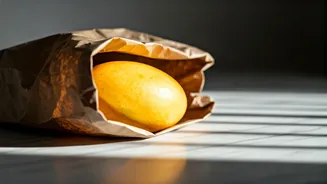
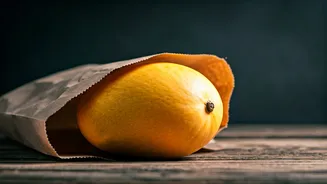
While social media might have showcased viral paper bags from grocery deliveries being repurposed in humorous ways, their true potential might be even more fruitful. These sturdy, breathable paper bags offer an ingenious, eco-friendly alternative to plastic for managing mango ripening and preventing premature spoilage. Unlike plastic, which traps moisture and accelerates the decay process, paper allows for essential air circulation. Mangoes, being sensitive fruits, release ethylene gas as they ripen, and the right environment is crucial for an even, delicious outcome. Paper bags strike this delicate balance, allowing natural ripening while mitigating the risks of mold and sogginess often associated with airtight storage, making them an unexpectedly smart choice for your summer fruit basket.
Ripening Raw Mangoes
For those unripe, green mangoes plucked straight from the tree or market stall, paper bags serve as an excellent tool for encouraging even ripening. Simply place the raw mangoes loosely inside a paper bag and fold the top gently. This creates a microclimate that allows the fruit to mature naturally at room temperature, away from harsh, direct sunlight. This method effectively mimics a controlled ripening process, ensuring that each mango develops its sweetness and texture uniformly. It’s a straightforward technique that bypasses the need for artificial methods and prevents the common issue of developing mushy spots or uneven ripening, which can often occur when mangoes are sealed in plastic bags that don't permit adequate air exchange.
Slowing Down Ripeness
When your mangoes are on the cusp of perfection, showing hints of yellow but not yet fully ripe, paper bags can be employed to gently slow down the ripening process. By storing these nearly ripe fruits in a loosely folded paper bag and relocating them to a cooler section of your kitchen, you can effectively manage their readiness. The inherent breathability of the paper helps to regulate humidity levels around the fruit, preventing it from becoming overly soft too quickly. This controlled environment ensures that you have a bit more time to enjoy them at their peak, avoiding the rapid spoilage that can happen when they are left exposed to warmer kitchen temperatures or stored in less permeable containers that trap excess moisture.
Battling Humidity
High humidity, a common summer companion, is a major culprit behind mangoes spoiling at an accelerated rate. To combat this, a simple yet effective trick involves lining your paper bag with a clean tissue or paper towel before placing the mangoes inside. This absorbent layer acts as a moisture wick, diligently soaking up any excess condensation that might form, thereby keeping the fruit dry. This is particularly beneficial during the monsoon season or on exceptionally humid days, safeguarding your mangoes from the detrimental effects of dampness and prolonging their freshness and quality.
Managing Batches
When purchasing mangoes in larger quantities, it’s common to find that they ripen at different paces. If you notice one mango beginning to soften noticeably faster than the others, it’s wise to isolate it. Transfer this faster-ripening fruit into its own individual paper bag. This simple step helps to contain the excess ethylene gas it’s emitting, preventing it from rapidly accelerating the ripening of the entire batch. By giving each fast-ripening mango its own space, you gain much better control over the overall ripening process, ensuring you can enjoy your mangoes at their best over a more extended period.
Brief Cut Storage
Even after a mango has been cut, paper bags can still offer a practical solution for short-term storage, particularly before refrigeration. Instead of placing cut mango pieces directly into the fridge or an airtight container, consider wrapping them loosely in parchment paper or placing them within a small paper bag. While long-term storage might still benefit from airtight containers, using paper for brief periods helps to mitigate condensation buildup. This prevents the cut fruit from becoming excessively watery, maintaining a more desirable texture until you're ready to consume the remaining portions.
Storage Pitfalls
To maximize the benefits of using paper bags for mango storage, it's crucial to avoid a few common missteps. Foremost, never seal or tape the paper bag shut; ample airflow is paramount for proper ripening and preservation. Secondly, refrain from overcrowding any single bag with too many mangoes, as this can impede circulation and lead to uneven ripening. Always keep your paper bags away from direct heat sources, such as ovens or sunny windowsills, which can counteract the cooling effect. Finally, ensure the bags themselves are dry and free from grease or moisture before use, as damp or soiled bags can unfortunately promote spoilage rather than prevent it.