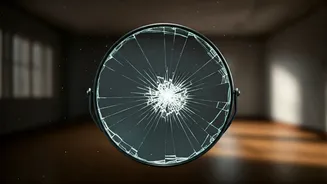









Accept the Hurt
The initial phase of recovery is often the hardest, filled with raw emotions. It's crucial to acknowledge the pain and allow yourself to feel it without
judgment. Suppressing these feelings can prolong the healing process. Let yourself grieve the loss of the relationship, allowing sadness, anger, and even moments of disbelief to surface. Journaling, talking to trusted friends or family, or seeking professional counseling can provide healthy outlets for these emotions. Remember, it's okay not to be okay. Accepting your feelings is a courageous first step towards healing and eventually moving forward. Avoid the urge to quickly move on or numb the pain; these actions often delay true recovery.
Break Free's Traps
One of the biggest hurdles is avoiding behaviors that trap you in the misery of a breakup. This includes obsessive checking of your ex's social media, repeatedly replaying the relationship's end in your mind, or reaching out to them for closure that often isn't given. These actions tend to reignite pain and slow down healing. Instead, establish clear boundaries. Unfollow your ex on social media, resist the urge to text or call, and create physical and emotional distance. Redirect your focus away from the past and towards the present. Identify and avoid triggers, such as places or activities that remind you of the relationship, for this is a proactive step toward emotional well-being.
Cultivate Self-Love
Rediscovering self-love is an essential part of healing. This involves identifying and addressing the negative self-talk that often accompanies a breakup. Remind yourself of your worth, your strengths, and the qualities that make you unique. Engage in activities you enjoy, whether it's reading, pursuing a hobby, or spending time in nature. Practice self-care by focusing on your physical and mental health. Eat well, exercise, get enough sleep, and practice mindfulness or meditation. Treat yourself with kindness and compassion. The breakup gives you the chance to focus inward and rebuild your identity independent of the relationship.
Rebuild Your Life
Start reshaping your life around your own needs and goals. Reconnect with friends and family, building and strengthening your support network. Set new goals, big or small, that excite you and give you something to work towards. This could involve learning a new skill, taking a class, or starting a new project. Revisit old passions or explore entirely new ones. Challenge yourself to step outside of your comfort zone and try new experiences. Focus on building a fulfilling life, which will make you feel more confident and less defined by the past. The goal is to move forward, not just to survive, but to thrive.
Seek Support Wisely
Don't be afraid to lean on your support network during this period. Talk to friends, family members, or a therapist about how you're feeling. A good support system offers a safe space to vent your emotions, gain perspective, and receive encouragement. Be cautious about who you share with; choose individuals who offer constructive support and avoid those who might prolong your suffering. Professional therapy can be invaluable if you're struggling to cope. A therapist can provide tools and strategies to manage your emotions, develop coping mechanisms, and process the breakup healthily. Remember, asking for help is a sign of strength, not weakness, and it is a necessary step on the road to recovery and finding happiness after a heartbreak.