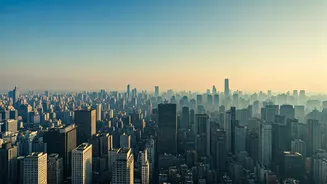

Delhi's Pollution Woes
Delhi is facing significant challenges in managing its air quality. The city's air pollution levels have prompted the government to take decisive action.
A crucial step involves the mandatory enforcement of Pollution Under Control (PUC) certificates for all vehicles. Without a valid PUC certificate, vehicles will be prohibited from using the roads, aiming to curb emissions from poorly maintained vehicles. This is coupled with restrictions on older vehicles, with specific guidelines in place to phase out or limit the use of vehicles contributing significantly to pollution. The work-from-home initiative is also being promoted to reduce traffic congestion and vehicle emissions during peak hours. These combined strategies underline the government's commitment to mitigating air pollution and enhancing the overall environmental quality in the capital.
PUC Certificates Mandate
The Pollution Under Control (PUC) certificate has become a central focus in Delhi's plan to fight air pollution. The city has made it compulsory for all vehicles to possess a valid PUC certificate to operate on the roads. This measure is targeted at ensuring that vehicles meet emission standards and are regularly checked for pollution levels. Vehicles that do not have a valid PUC certificate will face restrictions, which might include fines or being taken off the roads. This strict enforcement aims at reducing emissions from vehicles that are not properly maintained or are contributing excessively to air pollution. The government's decision to strictly enforce PUC is a proactive measure to control pollution at its source, protecting both the environment and the health of the citizens.
Vehicle Restrictions Impact
In an effort to curb air pollution, Delhi is also implementing strict measures regarding older vehicles. The government has put in place regulations that either ban or significantly limit the use of vehicles that are deemed to be major contributors to pollution. These older vehicles, typically those that do not meet current emission standards, are a significant source of pollutants. By regulating their usage, the government aims to drastically reduce the overall emission load in the city. While the details of the vehicle restrictions are still being finalized, the impact on citizens will likely be notable. Owners of older vehicles may face restrictions, possible phasing out or limitations on usage. These measures highlight Delhi's commitment to prioritizing air quality, necessitating that individual and public vehicles meet the desired environmental standards.
Work From Home Push
In addition to mandatory PUC checks and vehicle restrictions, Delhi is encouraging work-from-home arrangements. This is a strategic move to alleviate traffic congestion and diminish vehicle emissions, particularly during peak hours. By promoting remote work, the city anticipates a reduction in the number of vehicles on the road, which consequently decreases air pollution levels. This approach has the added benefit of potentially easing traffic bottlenecks and improving the overall commute for essential workers. It illustrates the government's multi-pronged strategy to address air pollution, balancing stringent regulations with measures designed to reduce the need for vehicular travel. The initiative encourages businesses and residents to voluntarily adopt remote work practices, fostering a cleaner and more efficient urban environment. Through the initiative, Delhi plans to promote a healthier environment and potentially boost work-life balance for its citizens.