
Why the Buzz?
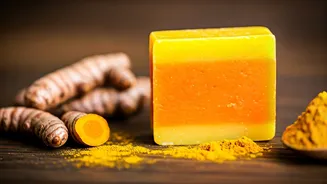
Turmeric soap's popularity can be largely attributed to the potent properties of turmeric, a spice widely used in Indian cuisine and traditional medicine.
Known for its rich golden color and distinct flavor, turmeric contains curcumin, a compound recognized for its antioxidant and anti-inflammatory characteristics. These qualities have translated into the skincare realm, with people hoping to leverage them for skin health. The appeal has also been amplified by the natural skincare movement, which has gained traction in recent years. Consumers are increasingly searching for products with recognizable, natural ingredients, and turmeric soap aligns with this preference. Social media and online reviews have further fueled the trend, with many users sharing their positive experiences, contributing to its growing appeal.
Benefits for Skin
The main reason many use turmeric soap is to promote healthier skin. The curcumin in turmeric may have several skin benefits. Many users report that turmeric soap can reduce inflammation, potentially alleviating issues like acne and eczema. Its antioxidant properties may help protect the skin from free radicals, which can accelerate aging and cause damage. Furthermore, some users claim that turmeric soap aids in brightening the skin and evening out skin tone, giving it a radiant appearance. It is believed to help in reducing the appearance of dark spots and hyperpigmentation. It is important to note that while anecdotal evidence and some research support these claims, more definitive scientific studies are needed to confirm all these benefits unequivocally. Always test any new skincare product on a small area first to assess your skin's reaction.
Who Should Use?
Turmeric soap can be beneficial for those with specific skin concerns. People with oily or acne-prone skin may find it particularly helpful because of its potential anti-inflammatory properties and its ability to reduce excess oil. Individuals with conditions like eczema or psoriasis might also consider it, as turmeric may help calm inflammation and soothe irritated skin. Those looking to brighten their complexion or reduce hyperpigmentation could find it useful. Additionally, people who appreciate natural skincare products and seek a product with minimal harsh chemicals may be drawn to turmeric soap. However, it is essential to consider individual skin types and conduct patch tests before using any new product. The suitability of turmeric soap varies from person to person; thus, personal experience is important to observe.
Who Should Avoid?
Not everyone should use turmeric soap. Those with very sensitive skin or known allergies to turmeric or related spices (like ginger or cardamom) should avoid it. The essential oils and other ingredients in the soap could cause irritation, redness, or allergic reactions. People with dry skin may also want to approach turmeric soap with caution. While some formulations contain moisturizing ingredients, turmeric itself can sometimes be drying, potentially exacerbating dryness. If you have any existing skin conditions, consult a dermatologist before using turmeric soap. They can provide personalized advice based on your skin type and concerns. Always do a patch test on a small area of skin before applying it to your entire body to identify potential adverse reactions.
Choosing the Right Soap
If you're interested in trying turmeric soap, several factors can guide your choice. Look for soaps that list turmeric (or curcumin) as a key ingredient, indicating the presence of active compounds. Check the ingredient list to avoid potential irritants or allergens. Soaps containing natural oils, such as coconut, olive, or shea butter, can offer additional moisturizing benefits. Opting for a soap without harsh chemicals or synthetic fragrances is often preferable. When selecting a turmeric soap, consider customer reviews and brand reputation. Reviews can provide insights into user experiences and product effectiveness. Researching the brand’s sourcing and production practices can help ensure the soap is of high quality and ethically produced. Remember that individual results may vary, and consistency is crucial to observing any noticeable benefits.