






The Supplement Mirage
The allure of health supplements is undeniable, with promises of enhanced immunity, lustrous hair, and boundless energy. However, the belief that 'more
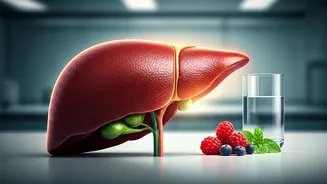
is better' can lead to an overload of bodily systems. Experts highlight instances where individuals seeking remedies for issues like hair loss or fatigue have experienced adverse effects ranging from nausea and skin rashes to digestive distress, and even concerning changes in liver enzymes or the formation of kidney stones. This occurs because excess nutrients don't always leave the body; some can accumulate, disrupt natural processes, or place undue stress on organs responsible for their metabolism. The assumption of inherent safety due to 'wellness' marketing often masks the potential for unintended consequences, turning a perceived health boost into a source of harm.
Painkillers' Silent Strain
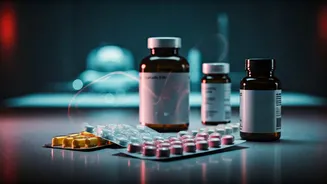
Everyday painkillers, readily available for common ailments like headaches, backaches, or fevers, are a significant part of the self-medication landscape. While offering immediate relief, frequent and unmonitored consumption of drugs such as ibuprofen, paracetamol, and diclofenac can silently impact vital organs. The liver, kidneys, and digestive tract bear the brunt of this continuous strain, potentially leading to serious long-term issues including gastrointestinal bleeding, kidney damage, and liver dysfunction. In some cases, prolonged use has even been linked to an increased risk of cardiovascular problems. More insidiously, these medications act as temporary fixes, masking underlying pain that requires proper diagnosis and treatment, thereby delaying the identification and resolution of the root cause.
The Pitfalls of Self-Diagnosis
In today's information-rich environment, self-diagnosis has become remarkably accessible. While online searches can correlate symptoms with potential conditions, the absence of professional medical knowledge often leads to critical oversights. A single symptom can stem from numerous causes, and a remedy that proves effective for one person might be entirely unsuitable for another due to variations in age, existing health conditions, or unique physiological characteristics. This approach to healthcare is particularly perilous for vulnerable groups, including the elderly, pregnant women, and children, who may respond differently or face heightened risks from inappropriate self-treatment.
Seeking Smarter Solutions
It's crucial to understand that supplements and painkillers aren't inherently detrimental; their efficacy and safety are contingent upon proper use under professional guidance. The danger lies in their casual and unsupervised consumption. Medical professionals emphasize that consulting a doctor, even for minor health concerns, is paramount. Understanding correct dosages, treatment durations, and potential drug interactions is key to ensuring safe usage and preventing long-term damage. Furthermore, embracing fundamental lifestyle adjustments such as balanced nutrition, adequate hydration, and sufficient sleep can significantly reduce reliance on medication. These foundational practices offer a more sustainable path to well-being, often proving more effective than seeking quick fixes that bypass the body's natural signals.