
Mindfulness: Then and Now
In 2016, mindfulness surged in popularity, moving beyond niche practices to become a mainstream concept. Meditation apps gained traction, and workplaces
began to embrace mindfulness programs to reduce stress and improve focus. The emphasis was on present moment awareness and stress reduction through techniques like deep breathing and guided meditations. Fast forward to 2026, and mindfulness continues to thrive. It's integrated into daily routines, with smart devices offering personalized meditation sessions. The focus is still on mental well-being, but the approaches are more diverse, with virtual reality experiences and biofeedback tools used to deepen the practice. There's a broader understanding of the benefits, extending to improved sleep, emotional regulation, and even enhanced physical performance.
Tech's Fitness Evolution
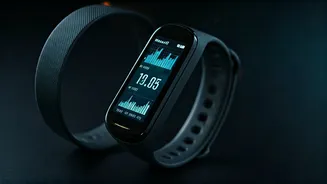
The year 2016 marked a pivotal time for fitness technology. Wearable devices, like smartwatches and fitness trackers, gathered momentum, tracking steps, heart rates, and sleep patterns. Apps provided workout routines and connected users with trainers. The emphasis was on data-driven insights and gamification to motivate activity. In 2026, technology plays an even greater role. Wearables are more sophisticated, gathering detailed biometric data. Virtual reality workouts and immersive fitness classes are widely available. Artificial intelligence offers personalized training plans based on individual data, optimizing workouts for effectiveness. The trend towards remote coaching and digital communities has also grown, connecting individuals with experts and peers regardless of location.
Personalized Nutrition's Rise
In 2016, the concept of personalized nutrition gained traction. Diet plans like the Paleo diet, gluten-free diets, and the ketogenic diet were popular. Awareness of the impact of individual genetic makeup on dietary needs was increasing. Companies started offering DNA testing to provide tailored dietary recommendations. Today, in 2026, personalized nutrition is more refined. Nutrigenomics—the study of how food impacts gene expression—has developed, providing a deeper understanding of individual dietary requirements. Smart appliances recommend recipes tailored to individual needs, and AI-driven platforms track dietary intake and provide real-time feedback. The emphasis is on bio-individuality, creating eating plans that are aligned with an individual's unique health profile, lifestyle, and goals.
Holistic Wellness Revival
2016 witnessed a growing recognition of the interconnectedness of physical and mental health, fueling interest in holistic wellness approaches. Yoga studios and wellness retreats became more common. Stress management techniques, such as mindfulness and yoga, found a wider audience. In 2026, the holistic approach has expanded. Integrative medicine practices have become more common, offering a range of therapeutic options that address the whole person. The focus on mental well-being has become more integrated with physical health, resulting in more integrated and personalized wellness plans. The emphasis extends beyond stress management to include environmental factors, social connections, and community engagement, promoting a more balanced and integrated approach to well-being.
The Future: Convergence
In 2016, these trends were emerging as distinct concepts. The following decade has seen their convergence, blurring the boundaries and creating more integrated approaches. In 2026, we see the melding of mindfulness practices with technology, nutritional science and fitness, forming a more nuanced and individualized approach to wellbeing. Personalized health is becoming a lifestyle, creating more informed and empowered individuals. The future of health will likely rely on combining various technologies and ancient practices. The insights gained from our past are critical in shaping a future where individuals have the resources and understanding to flourish.