



Coating Damage Signals
Non-stick cookware, a staple in modern kitchens for its ease of use and low-oil cooking capabilities, relies on a special coating to prevent food from
adhering to the surface. However, this very coating is susceptible to wear and tear. A primary indicator that your pan is no longer safe is when food begins to stick. If your rotis, dosas, or vegetables persistently cling to the surface, it's a definitive sign that the non-stick layer has been compromised and the pan should be retired. This is not a minor inconvenience but a crucial warning that the protective barrier is failing, potentially allowing unwanted substances to leach into your meals. Understanding this fundamental function of non-stick pans is the first step in ensuring kitchen safety.
Heat and Fumes
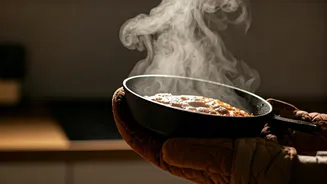
Beyond visible damage, another significant concern arises when non-stick pans are subjected to high temperatures. When the non-stick coating is compromised, cooking at elevated heat levels can lead to the release of toxic fumes. Inhaling these fumes can have adverse effects on your respiratory system and overall well-being. It’s essential to be mindful of the heat you’re applying to your cookware. Excessive temperatures not only degrade the coating faster but also turn it into a potential source of harmful airborne particles. Recognizing this risk encourages more careful cooking practices and highlights the importance of using pans in good condition to avoid these dangerous emissions, safeguarding both your meals and your health.
Visual Deterioration
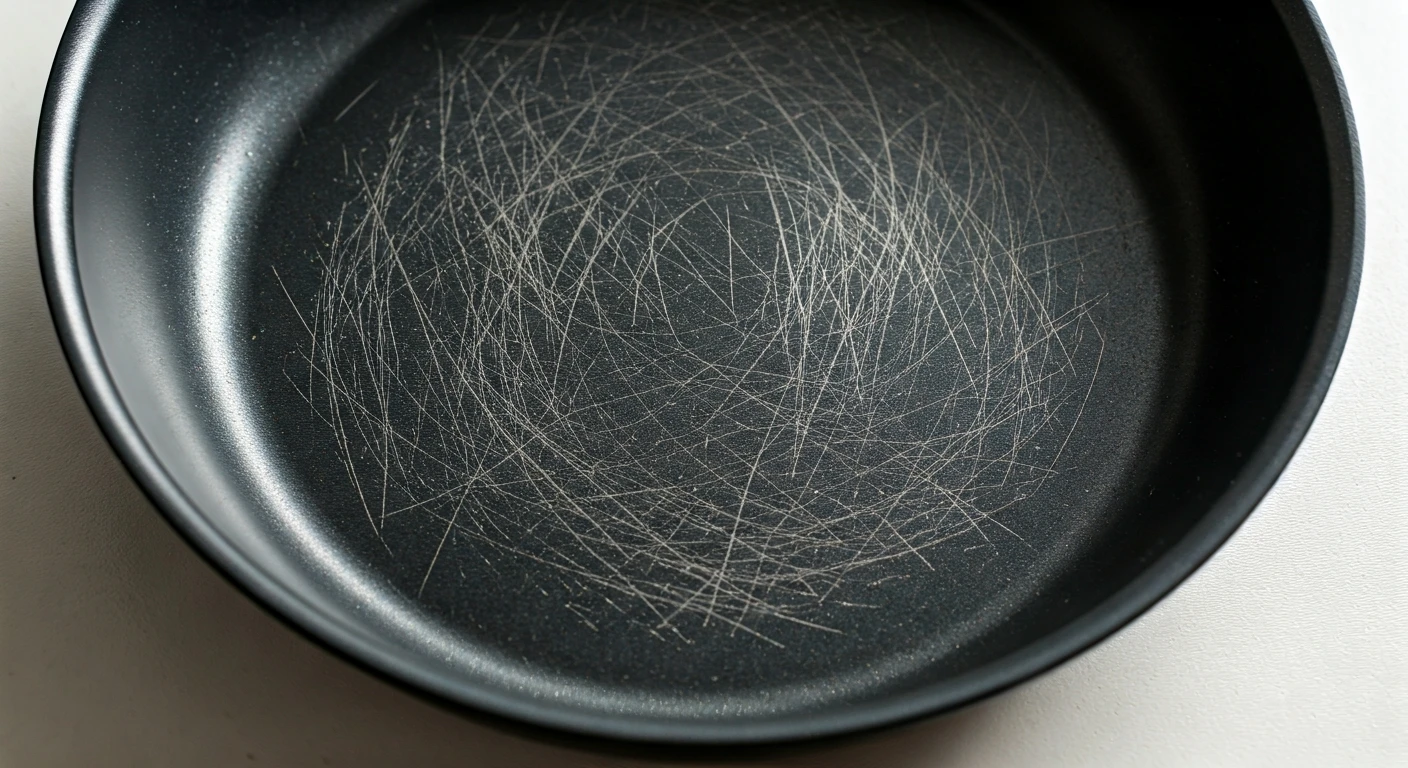
The most obvious indicators that your non-stick pan is no longer safe are visual cues like scratches, peeling, or discolouration. Scratches on the surface, often caused by using metal utensils, harsh scrubbing, or simply prolonged use, compromise the integrity of the coating. Peeling sections reveal the underlying material, making the pan unsafe for cooking. Furthermore, any change in the pan's colour or the appearance of strange stains can signify chemical alterations within the coating. If you notice any of these visual defects, it's a clear directive to cease using the pan immediately. These visual warnings are your last line of defence before the coating's degradation poses a tangible risk to your food and health.
Unusual Odors
A subtle yet important warning sign that your non-stick pan might be damaged is the presence of unusual smells when it's heated. If you detect a peculiar or unpleasant odour emanating from your pan, especially during the cooking process, this suggests that chemical changes are occurring within the coating. Such smells can be indicative of the coating breaking down, potentially releasing substances that are not meant to be ingested or inhaled. When this happens, it’s crucial to stop using the pan right away. Trusting your senses, particularly your sense of smell, can be a vital part of maintaining a safe kitchen environment and preventing exposure to potentially harmful compounds released from a compromised non-stick surface.