






The Japanese Foot Soak
A prevalent belief, shared by Shweta Shah, former nutritionist to Bollywood star Deepika Padukone, champions a traditional Japanese practice for staving
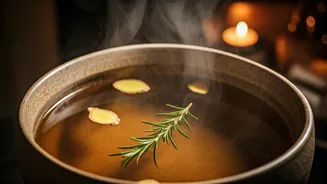
off strokes: immersing one's feet in hot water for a period of 15 to 20 minutes. Shah advocates this method particularly for individuals exceeding the age of 50, asserting that it possesses a robust scientific basis. The proposed mechanism involves expanding blood vessels and enhancing blood circulation, thereby promoting a sense of calm and reducing overall stress. Additionally, incorporating Epsom salts into the foot soak is suggested to further improve sleep quality. Shah expresses strong confidence in the efficacy of this ritual, maintaining that it 'surely works' to contribute to stroke prevention efforts.
Expert Scrutiny and Reality
While the notion of a hot foot soak for stroke prevention is intriguing, medical professionals urge caution. Dr. Pankaj Agarwal, Director of Neurology, Stroke, and Neurocritical Care at Gleneagles Hospital, Mumbai, points out that there is currently no concrete scientific evidence to substantiate claims that soaking feet in warm water can prevent strokes. He clarifies that strokes are critical medical events stemming from disruptions in blood flow to the brain, frequently associated with risk factors like high blood pressure, diabetes, elevated cholesterol, smoking, and an unhealthy lifestyle. Dr. Agarwal emphasizes that the scientifically validated methods for mitigating stroke risk involve consistent medical check-ups, adopting a nutritious diet, engaging in regular physical activity, and adhering to prescribed medications, rather than relying on home remedies. He notes that while warm foot soaks might offer transient comfort and slight circulation improvements, these effects are localized and temporary, failing to impact the deeper arterial systems crucial for stroke prevention. He reiterates that Epsom salts may aid in muscle relaxation and sleep but play no direct role in preventing strokes and advises individuals, especially those over 50, to consult healthcare providers for personalized advice and refrain from substituting medical care with unproven methods.
Traditional Roots and Indirect Benefits
The practice of warm-water therapy for the feet is deeply rooted in age-old traditions, particularly within Japanese and Chinese medicine. Dr. Amit Saraf, Director of Internal Medicine at Jupiter Hospital, Thane, highlights that these traditional systems often view such rituals as a means to harmonize bodily energy and promote better circulation. Beyond any direct physiological impact on stroke prevention, the act of soaking feet in warm water undeniably fosters a state of relaxation. This, in turn, can lead to a reduction in stress hormones and a slight decrease in blood pressure. Since elevated stress and high blood pressure are recognized indirect contributors to stroke risk, these benefits, while not a direct preventative measure, can indirectly support overall cardiovascular health. Therefore, while a warm foot soak can contribute to a sense of well-being and potentially offer minor physiological advantages, it is crucial to understand that it is not a substitute for established medical interventions and lifestyle modifications that are scientifically proven to protect the heart and brain from stroke.
SMART Stroke Prevention Strategy
To effectively guard against strokes, a comprehensive approach guided by the SMART acronym is strongly recommended. This strategy encompasses several critical components of health management. Firstly, 'Stop smoking' is emphasized as a non-negotiable imperative, given its profound negative impact on cardiovascular and cerebrovascular health. Secondly, 'Consume healthy meals' involves prioritizing a nutritious diet and diligently avoiding processed, fried, and junk foods that can contribute to conditions like high blood pressure and high cholesterol. Thirdly, 'Lead an active lifestyle' encourages regular physical activity, such as walking or running, and the avoidance of a sedentary existence, which is linked to various health risks. Fourthly, 'Get regular checkups done' is vital for monitoring key health indicators like weight, blood pressure, cholesterol levels, and blood sugar, as well as overall heart health. Finally, 'Treatment adherence' underscores the importance of consistently following the medical advice and prescribed medications provided by a doctor for managing any existing health conditions identified during checkups. This holistic SMART approach provides a robust framework for proactive stroke prevention.
Precautions for Medical Conditions
Individuals managing specific medical conditions should exercise extra caution if considering warm foot soaks, as advised by Dr. Saraf. For those with diabetes or peripheral neuropathy, where nerve sensation in the feet might be diminished, it is critical to meticulously monitor the water temperature. Even mildly hot water can cause significant burns and injuries if the reduced sensation prevents the individual from detecting excessive heat. Furthermore, people experiencing severe varicose veins or suffering from heart failure are generally advised to steer clear of prolonged immersion in hot water. The increased temperature and duration can potentially exacerbate these conditions by affecting blood flow and fluid balance. Therefore, while the ritual of a foot soak may seem benign, a personalized assessment of one's health status and a discussion with a healthcare professional are essential to ensure its safety and appropriateness for individual circumstances.