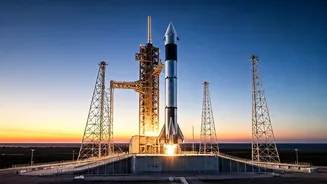







Launch Pad Approval
SpaceX has been given the green light to construct two new launch pads. These pads will be located at the Cape Canaveral Space Force Station's Space Launch
Complex 37 in Florida. The company made this announcement on a recent Monday. These additions are specifically designed to accommodate launches from the massive Starship rocket. The Starship's Super Heavy first stage rockets are capable of producing over 16 million pounds of thrust. In comparison, NASA's Space Launch System has a thrust capacity of approximately 8.8 million pounds. The company has already commenced construction on these new launch pads. The approval follows nearly two years of waiting, involving several investigations to ensure the launches wouldn't harm local wildlife.
Impact on Travel
One of the critical considerations associated with these new launch pads involves their potential impact on local travel, particularly commercial airline flights. Regulatory filings suggest that the anticipated 120 launches and 240 landings each year could cause disruptions, leading to delays for thousands of commercial airline flights annually. The Air Force intends to re-evaluate the airspace concerns before giving final approval for Starship launches. This assessment aims to determine the extent of the impact on air travel and to devise appropriate mitigation strategies to minimize disruptions for travelers. SpaceX anticipates that its launch operations will eventually evolve, enabling airport-like operations to support national security and the Artemis program.
Increased Launch Capacity
Once the two new launch pads are fully operational, they are projected to handle approximately 76 Starship missions and 152 landings per year. This represents a significant increase in SpaceX's launch capabilities. Coupled with the existing launch pad at Kennedy Space Center, this expansion will enable an additional 44 launches and 88 landings. The heightened frequency of launches and landings suggests SpaceX's commitment to ambitious space exploration and development goals. This includes supporting national security interests and contributing to the Artemis program, which aims to send humans back to the Moon and establish a sustainable lunar presence. SpaceX's strategic expansion in Florida reflects its ongoing commitment to innovation and expansion within the space industry.