


Smart Seed Starting
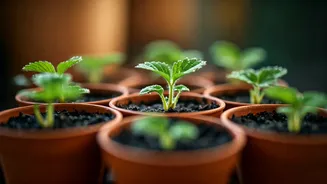
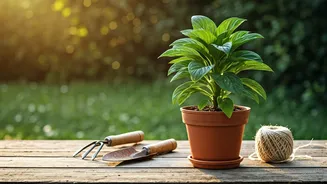
As winter's chill begins to recede, a crucial window opens for starting many seeds indoors, setting the stage for a robust garden by March. This proactive
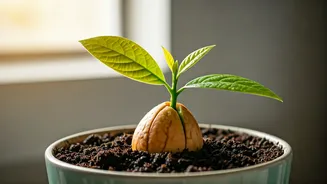
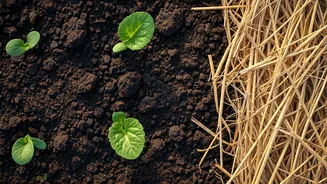
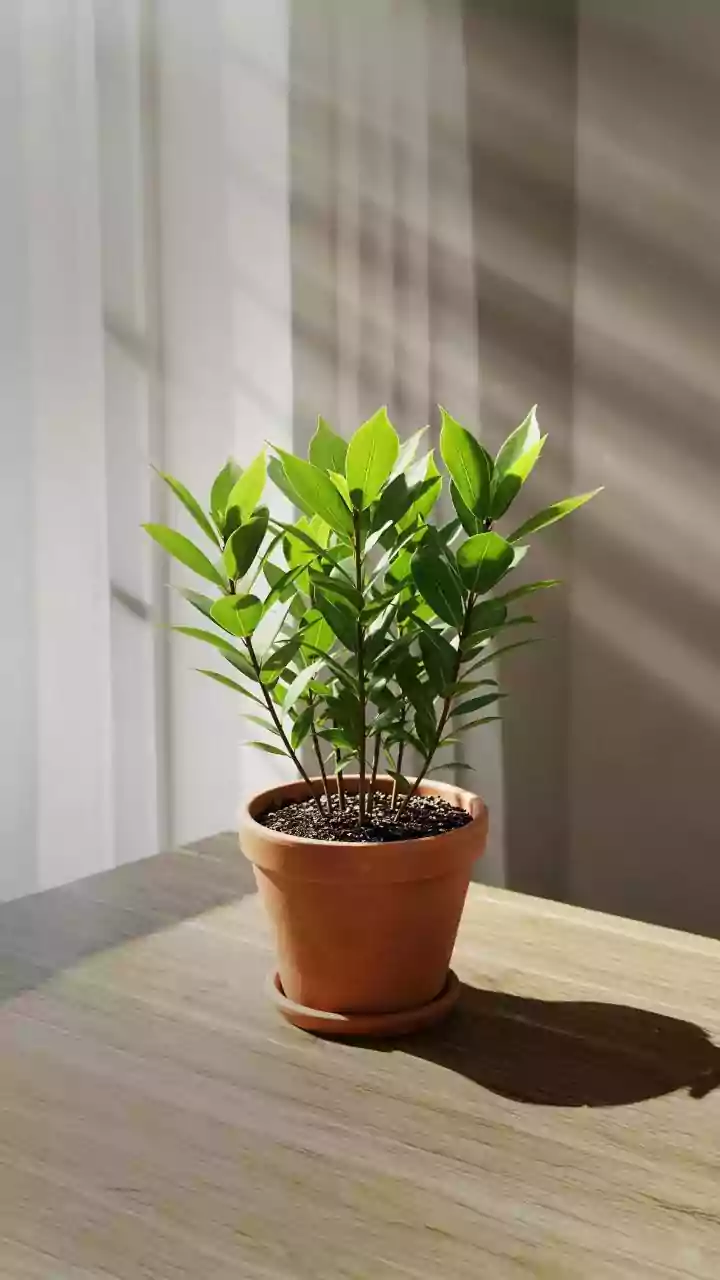
approach ensures your plants have a head start, developing strong root systems before the warmer weather arrives. Consider varieties like tomatoes, peppers, and eggplants, which benefit greatly from this early indoor cultivation. Providing them with adequate light, warmth, and moisture is key to successful germination and healthy seedling development. This early sowing not only extends your growing season but also increases the likelihood of a more fruitful harvest, especially for plants with longer maturation periods. By carefully selecting which seeds to start now, you are investing in the future health and productivity of your entire garden space, making the most of the transition from dormancy to active growth.
Rose Planting Timing
Spring presents an ideal period to plant bare-root roses, a practice that promises a spectacular display of blooms throughout the season. These dormant plants, delivered without soil, are best introduced to the ground when the soil is workable but before the extreme heat of summer sets in. Proper preparation of the planting site, ensuring good drainage and incorporating organic matter, is vital for their establishment. When planting, ensure the graft union, the swollen part where the rose variety is attached to the rootstock, remains just above the soil line. This method allows the roots to settle in comfortably, encouraging vigorous growth and abundant flowering. The mild temperatures and increasing daylight of spring create perfect conditions for these new roses to acclimate and begin their journey towards becoming a stunning feature in your garden.
Avoiding Garden Blunders
A common yet avoidable misstep in spring gardening planning can significantly jeopardize your harvest: incorrect planting times or improper soil preparation. For instance, planting certain tender shrubs too early, before the threat of frost has completely passed, can lead to frost damage and stunted growth. Similarly, rushing to sow seeds in cold, wet soil can result in poor germination or increased susceptibility to diseases. Understanding your local climate and the specific needs of each plant is paramount. Paying attention to these details, such as waiting for the appropriate time to plant or ensuring the soil is adequately warmed and drained, forms the bedrock of a successful gardening season. Avoiding these common errors by adopting a patient and informed approach will greatly enhance your chances of a bountiful and satisfying harvest.
Soil and Fertilizer Insights
The health of your garden hinges significantly on the quality of its soil and the appropriate use of fertilizers. While snow might seem like a natural form of hydration, using it directly to fertilize a garden is generally not recommended. Snow, when it melts, primarily adds water, and its fertilizing contribution is minimal unless it contains significant airborne pollutants. Conversely, using wood ash as a fertilizer for spring bulbs can be beneficial, but requires careful application. Wood ash adds potassium and lime, which can help raise soil pH, a quality that can be advantageous for bulbs. However, excessive use can lead to overly alkaline soil, which can be detrimental. Therefore, a light, controlled application, perhaps once a year, is advised, and it's best to test your soil's pH beforehand to ensure it complements the bulbs' needs rather than harming them.
Seasonal Planting Windows
Timing is everything when it comes to a successful garden, and understanding the right moments for various planting and maintenance tasks is crucial. For instance, bulbs like tulips should not be planted too early in the fall, as this can lead to premature sprouting and potential damage from frost. The ideal window is typically when soil temperatures have cooled considerably, signaling the onset of winter dormancy. Similarly, specific plants are ready for sowing in late winter or early spring, taking advantage of the increasing daylight and milder conditions to establish themselves. This includes a variety of annuals and perennials that can withstand cooler temperatures. Keeping track of these specific planting windows for different types of flora ensures they receive the optimal conditions for growth and eventual bloom, maximizing your garden's potential.
Mulching Best Practices
Mulching is a cornerstone of effective garden management, offering numerous benefits from moisture retention to weed suppression. However, the timing of when to apply mulch is as important as its application itself. While it's often associated with warmer months, understanding the dos and don'ts of mulching is crucial. Applying mulch too early in the spring, when the soil is still cold and damp, can hinder warming and potentially promote fungal diseases. Conversely, waiting too long can allow weeds to gain a strong foothold. The ideal time to mulch is often after the soil has warmed up sufficiently and after planting has occurred, or when the weather begins to consistently heat up. This strategy helps lock in moisture, regulate soil temperature, and create a less hospitable environment for invasive weeds, ultimately supporting healthier plant growth throughout the season.
Natural Weed Control
Dealing with invasive plants often requires a strategic and environmentally conscious approach to avoid harming your desirable garden inhabitants. Fortunately, there are several effective methods for naturally eradicating these unwanted guests without resorting to harsh chemicals. One approach involves using boiling water poured directly onto the invasive plants, which effectively kills them down to the root. Another sustainable method is manual removal; ensuring you dig out the entire root system is critical to prevent regrowth. Solarization, a technique involving covering the affected area with clear plastic during hot, sunny periods, can also effectively kill invasive species by overheating the soil. Employing these natural techniques ensures a healthier ecosystem for your garden while effectively managing problematic plant growth.
Pruning and Plant Care
Pruning is a vital aspect of plant care, but the timing and technique can significantly impact a plant's health and flowering. Many gardeners make mistakes by pruning at the wrong time, particularly in late winter or early spring. For instance, pruning plants that bloom on old wood too late in the season can remove the flower buds, resulting in a lack of blooms. Conversely, some plants require late winter pruning to remove dead or diseased wood and to shape the plant before new growth begins. Understanding the specific needs of each plant species is crucial. Amaryllis flowers, for example, require specific year-round care, including proper watering, light exposure, and a dormancy period, to ensure their spectacular blooms year after year. Incorrectly watering them, such as with ice cubes, can shock the plant and impede its growth and flowering potential.
Companion Planting Strategies
Choosing the right partners for your plants can significantly enhance their growth, deter pests, and improve overall garden health. Certain plant pairings are known to be mutually beneficial, while others can actively hinder each other's development. For example, nasturtiums, while vibrant and beneficial for attracting pollinators, can be challenging companions for some plants. Specifically, it's often advised not to grow certain vegetables like beans or brassicas alongside nasturtiums, as they may inhibit their growth or attract pests that then transfer to the nasturtiums. Understanding these relationships, often referred to as companion planting, allows gardeners to create a more harmonious and productive ecosystem within their garden beds, leading to healthier plants and better yields.
Winter Storage & Soil Health
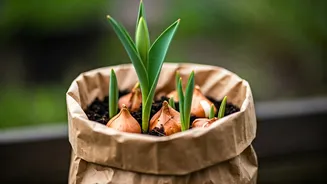
Proper storage of plant parts over winter is essential for ensuring their viability for the next growing season, particularly for tender bulbs. Canna bulbs, for instance, need to be carefully excavated from the ground before the first frost, cleaned of excess soil, and stored in a cool, dry, and frost-free location. This typically involves packing them in peat moss or sawdust in boxes or paper bags. Furthermore, understanding the characteristics of high-quality soil is fundamental to successful gardening. Signs of good soil include a crumbly texture that holds together when squeezed but breaks apart easily, a dark, rich color indicative of ample organic matter, a pleasant earthy smell, good drainage, and a balanced pH level. Such soil provides the ideal environment for root development and nutrient uptake, forming the foundation for a thriving garden.