






Initial Metabolic Shift
When you drastically reduce or eliminate ghee and oil from your diet, your body experiences an immediate shift in its metabolic processes. The primary
effect is on how your body processes fats. Traditionally, ghee and oil provide a concentrated source of energy, and their absence forces your body to adapt. Initially, the body might tap into stored fat reserves for energy, potentially leading to weight loss. Your liver also gets to work, adapting to the change in dietary fat intake. It may alter the production of certain enzymes and chemicals involved in fat metabolism. This initial period is often marked by fluctuations in energy levels as your body adjusts to its new energy sources. The adaptation period varies from person to person, and can depend on the amount of oil and ghee that was consumed before the change.
Impact on Cholesterol
Cutting out ghee and oil can significantly influence your cholesterol levels. Ghee, being a saturated fat, can potentially raise LDL cholesterol (the 'bad' cholesterol) in some individuals. Oils, too, depending on their type, can impact cholesterol profiles. Eliminating these from the diet often leads to a reduction in LDL cholesterol, which is beneficial for heart health. However, the exact impact varies. People who are predisposed to high cholesterol might see a more dramatic change. The decrease in saturated fat intake can lower the risk of plaque buildup in arteries. This reduces the risk of cardiovascular diseases. The body's response is often seen over a few weeks or months, during which the lipid profile stabilizes, reflecting the dietary adjustments.
Digestive System Changes
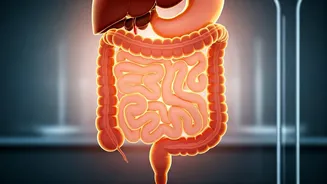
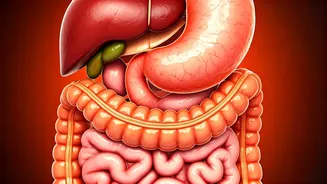
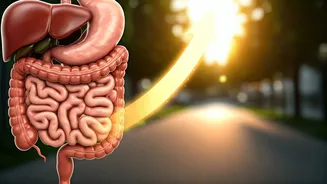
The digestive system is another area where significant changes occur when ghee and oil are removed. Fats play a crucial role in digestion, assisting the absorption of fat-soluble vitamins (A, D, E, and K). Without adequate fat intake, the absorption of these vitamins can be compromised, potentially leading to deficiencies. The pancreas and gallbladder also react to the changes. The pancreas produces enzymes to digest fats, and the gallbladder releases bile to emulsify fats, making them easier to digest. Less fat in the diet may reduce the workload of these organs. This could affect the consistency of stool, and, in some cases, lead to changes in bowel movements. Long-term dietary changes might require some adaptation, and it is crucial to ensure that you are still consuming a balanced diet.
Skin and Hair Effects
The effects of stopping ghee and oil are also observable on your skin and hair. Fats contribute to skin hydration and provide essential fatty acids that keep skin supple. A decrease in dietary fat might lead to dry skin, potentially causing itchiness or flakiness. The hair may also reflect these changes, appearing drier or less lustrous. However, these changes are not universal. Individual responses vary depending on the overall diet. If the reduction in ghee and oil intake is not compensated by other sources of healthy fats, these effects may be more noticeable. Consuming other essential nutrients, such as omega-3 fatty acids from other sources, might help in keeping skin and hair healthy. Supplementation or dietary adjustments can help mitigate these side effects.
Energy Level Adjustments
The body's energy levels can fluctuate during this dietary shift. Ghee and oil are energy-dense foods, and their removal can result in initial feelings of fatigue. The body needs to adapt to using alternative sources of energy, like proteins and carbohydrates, to sustain its activities. As the body adapts, energy levels tend to stabilize. Some individuals might experience increased alertness and improved cognitive function, while others may require dietary adjustments to maintain their energy levels. Ensuring sufficient intake of complex carbohydrates and proteins becomes essential. Proper hydration and regular exercise also support the body’s energy production and overall function. It is important to pay attention to your body's signals and adapt the diet accordingly.