



Navratri's Deeper Meaning
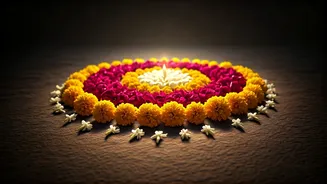
Chaitra Navratri, a significant Hindu festival honouring Goddess Durga and her nine divine manifestations, spans nine days of deep devotion, prayer, and dietary
discipline. Beyond its spiritual core, this observance is also recognized for its role in bodily and mental purification, acting as a preparatory phase for the changing seasons. Adherents typically commence their days with rituals involving cleansing sacred spaces and preparing offerings for the Goddess. Following these ceremonies, the prepared food, known as bhog, is consumed as sacred prasad. This structured daily regimen fosters both spiritual alignment and physical well-being throughout the festive period, emphasizing purity and reverence in every aspect of observance.
Navigating Fasting Diet
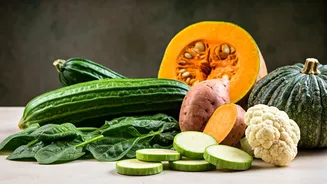
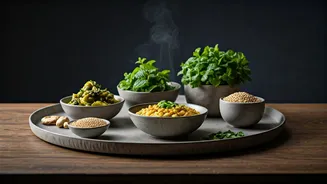
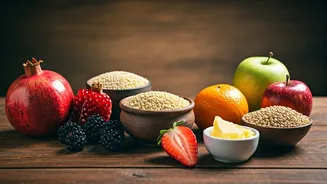
Observing a Navratri fast involves adhering to specific dietary restrictions aimed at maintaining purity and lightness. Key guidelines include abstaining from pungent ingredients like onions and garlic, and avoiding staple grains and legumes such as wheat, rice, lentils, and beans. Consumption of alcohol, tobacco, meat, eggs, and seafood is also prohibited. Instead, the diet should focus on sattvik foods, which are pure and easily digestible. This encompasses a wide variety of fruits and vegetables like potatoes, sweet potatoes, pumpkins, bottle gourds, and raw bananas. Staying well-hydrated is crucial, with recommended fluids including water, milk, fresh fruit juices, buttermilk, lassi, and smoothies. It is important to use sendha namak (rock salt) for seasoning, while avoiding processed spices like chaat masala and black salt. These practices collectively contribute to keeping the body feeling light, clean, and energetic throughout the fasting period.
Energizing Fast Foods
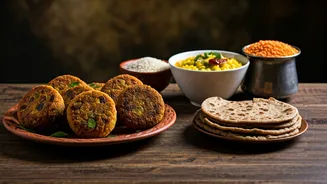
During the Chaitra Navratri fast, a variety of delicious and energy-sustaining dishes can be enjoyed, ensuring a fulfilling observance. Singhada Ka Halwa, a sweet confection made from water chestnut flour, ghee, and sugar, offers a rich and energizing treat. Crispy Banana Chips, prepared by frying raw bananas in ghee and seasoned with rock salt and black pepper, provide a satisfying snack. Sabudana Khichdi, a light yet filling meal crafted from soaked sago pearls, peanuts, and mild spices, is a popular choice for its digestibility. For those with a sweet tooth, Coconut Laddoos, made from desiccated coconut, milk, and sugar, are a delightful option. A cooling Cucumber Raita, combining yogurt and cucumber, aids digestion, while Sabudana Kheer offers a dessert alternative with sago, milk, sugar, and dried fruits. A vibrant Fruit Chaat, a medley of seasonal fruits sprinkled with rock salt and pepper, and Sweet Potato Chaat, featuring boiled or roasted sweet potatoes mixed with yogurt, spices, and pomegranate seeds, are also excellent choices for maintaining nourishment and flavour throughout the fasting days.
The Power of Sattvik
The emphasis on sattvik food during Navratri is deeply rooted in its perceived ability to purify both the body and the mind. These foods are characterized by their lightness and ease of digestion, qualities that are particularly beneficial when undergoing a fast. By consuming sattvik ingredients, individuals can maintain consistent energy levels, which is essential for both daily activities and spiritual practices. Furthermore, this dietary choice is believed to foster a greater sense of mental clarity, calmness, and inner peace, thereby enhancing the overall spiritual experience of the festival. Adhering to a sattvik diet during Chaitra Navratri thus supports a holistic approach to well-being, aligning physical purity with spiritual devotion.