




Starlink Expansion Continues
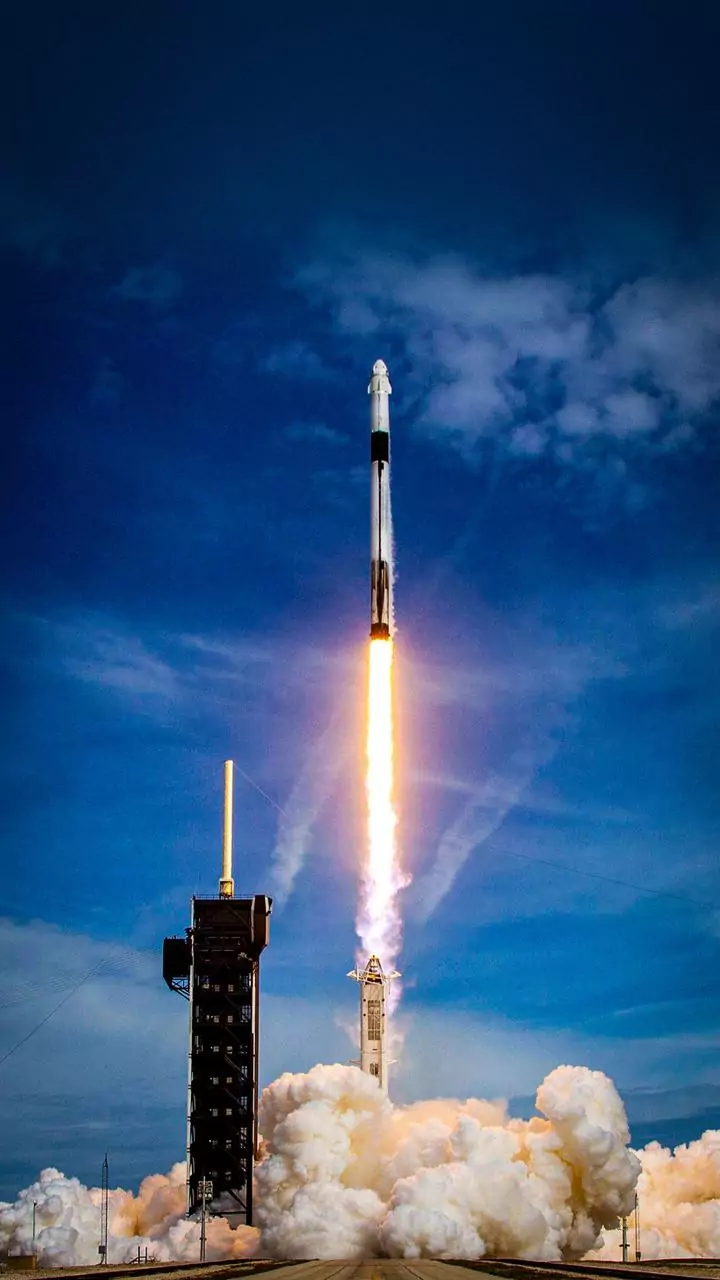
SpaceX recently achieved another milestone in its ambitious Starlink project, lifting off 24 new satellites into Earth's orbit. This latest deployment,
originating from Vandenberg Space Force Base in California, marks the third such mission this month and the twelfth for the year, underscoring the company's prolific launch cadence. The Falcon 9 rocket, a workhorse of the commercial space industry, performed flawlessly, with its first-stage booster, identified as B1100, executing its third mission successfully. Following its critical role in delivering the satellites, the booster made a precise propulsive landing on the "Of Course I Still Love You" droneship, stationed in the Pacific Ocean, a testament to SpaceX's reusable rocket technology. These newly deployed satellites are integral to the growing Starlink constellation, which aims to provide high-speed internet access to regions where traditional connectivity is either sparse or completely absent. Beyond basic internet services, Starlink is increasingly powering advanced features like direct cell-to-satellite calls and in-flight Wi-Fi for select airlines, demonstrating its diverse applications and growing impact on global communication infrastructure.
Launch Details & Services
The Falcon 9 rocket, carrying the batch of 24 Starlink satellites, initiated its journey skyward at precisely 12:11 p.m. EST on Wednesday, February 11, 2026. This launch took place from Space Launch Complex 4 East (SLC-4E) at Vandenberg Space Force Base, situated in California. Approximately an hour after liftoff, SpaceX confirmed the successful deployment of these new internet relay units into their intended low Earth orbit. This latest addition further bolsters the Starlink constellation, which now comprises over 9,600 satellites. The Starlink service offers a crucial lifeline for internet access in remote and underserved communities. Furthermore, its capabilities extend to enhancing connectivity for aviation, with some airlines now offering Starlink-powered Wi-Fi to passengers, a feature that has even been highlighted in major advertising campaigns, indicating its growing commercial significance and adoption.