


Protein: The Building Block
Your hair's very structure is predominantly protein, specifically keratin. When your dietary protein intake falls short, your body conserves this essential
nutrient for more critical bodily functions, pushing hair growth down the priority list. This results in a prolonged shedding cycle and noticeable thinning. Studies, like one published in the Journal of Cosmetic Dermatology, have corroborated that inadequate protein consumption can lead to diminished hair density, particularly among individuals following restrictive diets. To combat this, aim to incorporate a source of protein into every meal, be it from eggs, lentils, paneer, chicken, fish, tofu, or even a handful of nuts. Consistency in protein intake is key to supporting robust hair growth.
Iron: Fueling Follicles
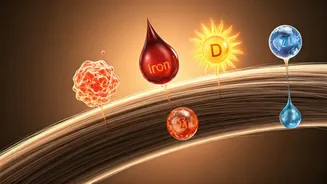
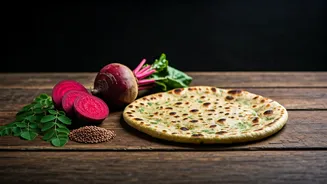
Iron plays a crucial role in transporting oxygen throughout your bloodstream, and this oxygen is vital for maintaining the health of your hair roots. A deficiency in iron, especially low ferritin levels, can starve hair follicles of this essential element, leading to gradual weakening and increased shedding, a condition often identified as telogen effluvium. If you're experiencing hair fall alongside symptoms like persistent fatigue, dizziness, or a pale complexion, an iron deficiency might be contributing to your hair woes. Boost your iron levels by consuming iron-rich foods such as spinach, beetroot, jaggery, dates, and lentils. Including vitamin C sources, like a squeeze of lemon, can significantly enhance your body's ability to absorb iron.
Vitamin D: Sunshine and Scalp
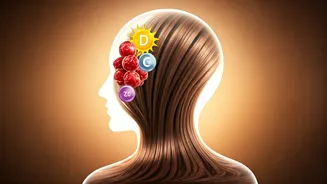
Often lauded as the 'sunshine vitamin' for its bone-health benefits, Vitamin D also exerts a significant influence on hair health. Research has indicated a correlation between low Vitamin D levels and various forms of hair loss, including patchy thinning. Many individuals are unaware of their deficiency, particularly those who spend limited time outdoors. Regular, brief sun exposure, even just 15-20 minutes daily, can make a difference. Dietary sources like eggs, fortified milk, and fatty fish are also beneficial. For persistent deficiencies, consulting a healthcare professional for potential supplementation might be advisable.
Zinc: Repair and Growth
Though often overlooked, zinc is indispensable for hair repair and promoting healthy growth. It is instrumental in maintaining the integrity of hair follicles and ensuring the proper functioning of the sebaceous glands that lubricate the scalp. A depletion in zinc levels can render hair fragile, dry, and more susceptible to breakage and shedding. Studies have observed lower zinc levels in individuals experiencing hair loss, with improvements noted upon correcting the deficiency. Dry, flaky scalp conditions can also be a manifestation of low zinc. Incorporating foods like pumpkin seeds, nuts, whole grains, dairy products, and legumes into your diet can help maintain adequate zinc levels.
Biotin: Strengthening Strands
Biotin, also known as Vitamin B7, is widely recognized for its role in hair health, contributing to hair strength. While not a miraculous cure, adequate biotin levels are essential to prevent hair from becoming brittle, thin, and prone to breakage. Although outright biotin deficiency is relatively uncommon, it can still precipitate hair loss, particularly in individuals with suboptimal diets or certain underlying health conditions. Fortunately, many people obtain sufficient biotin through their regular food intake. Excellent dietary sources include egg yolks, nuts, seeds, bananas, and whole grains, making it advisable to prioritize whole foods over supplements unless advised otherwise.