





What Are Modak?
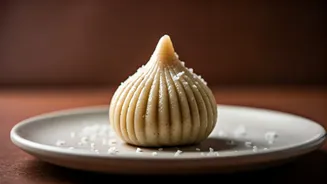
Modak is a celebrated sweet delicacy originating from Western India, particularly prevalent in Maharashtra. These delightful dumplings are a cornerstone
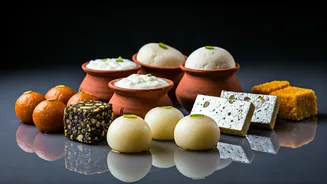
of the ten-day Ganesh festival, traditionally offered as prasad to Lord Ganesha. While they can be prepared either steamed or fried, the essence of a modak lies in its outer shell, typically crafted from rice flour or sometimes wheat flour, encasing a sweet, aromatic filling. Common filling ingredients include coconut, sugar, and jaggery, often enhanced with spices. Beyond the steamed variety, other forms like Fried Modak, which can feature diverse sweet fillings, and Mawa Modak, made from milk solids, sugar, and various flavorings, showcase the versatility of this beloved Indian sweet.
The Essence of Ukadiche Modak
Ukadiche Modak, a specific and cherished variation, translates to 'steamed' modak. Its defining characteristic is the outer casing, meticulously prepared from a dough of rice flour that is steamed to achieve a uniquely soft, tender texture that virtually dissolves in your mouth. This delicate shell encases a rich, sweet filling, primarily composed of fresh grated coconut and jaggery, often perfumed with the warm, aromatic notes of nutmeg and cardamom, and sometimes saffron for a touch of color and fragrance. The transformation from simple ingredients to these exquisite, melt-in-your-mouth dumplings is a culinary journey rooted in tradition, often passed down through generations, making each bite a taste of home and heritage.
Key Ingredients for Success
Crafting perfect Ukadiche Modak hinges on the quality and careful selection of a few fundamental ingredients. For the outer covering, it is crucial to use fine rice flour; sifting ensures a smooth, lump-free dough. High-quality ghee is indispensable, lending a subtle nutty aroma and ensuring the dough remains pliable and prevents sticking. The heart of the modak is the filling, which relies on fresh, grated coconut. Pre-shredded frozen coconut is a convenient option, provided it is properly thawed. Jaggery, unrefined cane sugar, provides an authentic, deep sweetness and a distinct flavor profile; grating it ensures even melting and integration. Finally, aromatic spices like ground cardamom and nutmeg are essential for that signature fragrant warmth. Using freshly ground spices can elevate the flavor, but pre-ground versions are also effective.
Crafting the Dough (Ukad)
The journey to perfect Ukadiche Modak begins with preparing the dough, or 'Ukad'. Start by boiling one cup of water, to which you'll add a pinch of salt and a teaspoon of ghee. Once the water is at a rolling boil, reduce the heat to low and gradually incorporate one cup of fine rice flour, stirring vigorously with a spoon to combine it thoroughly with the liquid. Cover the pot and allow it to cook on this low heat for about two to three minutes, just enough for the flour to absorb the water and begin to form a cohesive mass. After this brief cooking period, turn off the heat and carefully transfer the dough to a mixing bowl. Let it cool slightly until it's manageable to handle. The next crucial step is kneading: add another teaspoon of ghee and about one to two tablespoons of warm water to the dough. Knead it with your hands for approximately five to ten minutes. This thorough kneading is vital to achieve a soft, smooth, and moist dough, essential for creating delicate modak shells that won't crack during shaping or steaming.
Preparing the Sweet Filling
The flavorful heart of the Ukadiche Modak is its sweet filling, primarily made from coconut and jaggery. Begin by preparing your jaggery; either grate it finely or break it into very small pieces to ensure it dissolves smoothly without lumps. In a sturdy, heavy-bottomed pan, gently dry roast the grated coconut over medium heat for about five minutes. This step is crucial to evaporate any excess moisture, preventing the filling from becoming watery and making the final modak soggy. Once the coconut is lightly roasted, add the prepared jaggery, a pinch of saffron (if using), ground nutmeg, and ground cardamom to the pan. Continue to cook this mixture on low heat, stirring constantly, for an additional five to seven minutes, or until the filling begins to thicken and appears relatively dry. Properly cooked filling will hold its shape and won't ooze out during steaming. For convenience, this filling can be prepared a day or two in advance and stored in the refrigerator.
Shaping and Filling Modak
With both the dough and filling ready, the artful process of shaping the modak can commence. First, ensure your modak mold is generously greased on the inside with ghee or oil; this prevents the delicate dough from sticking. Close the mold and begin pressing small portions of the prepared rice dough inside, gently spreading it evenly along the mold's contours with your fingertips. Some dough will inevitably extend beyond the mold's edges; this excess is intentionally used later to seal the modak. Next, carefully spoon about one to two teaspoons of the prepared coconut-jaggery filling into the center of the dough-lined mold. Then, meticulously use the dough that protrudes from the mold to enclose the filling, folding it over to create a secure seal at the bottom. Once sealed, carefully open the mold to reveal the shaped modak. Gently refine the top by pinching the dough with your fingers to create decorative pleats or a refined point. Place the shaped modak onto a steaming rack, ensuring it doesn't touch other modaks. Repeat this entire process for the remaining dough and filling.
The Steaming Process
The final step in creating perfect Ukadiche Modak is the steaming, which imbues them with their signature tender texture. Prepare your steamer by heating approximately two cups of water in the base pot until it begins to steam. Once all the modaks have been shaped and are ready for cooking, carefully place the steaming rack containing the modaks into the pot. Cover the steamer tightly to ensure the steam circulates effectively. Cook the modaks on a low to medium heat for about ten minutes. It is important not to overcrowd the steamer; allow a little space between each modak to prevent them from sticking together as they cook. After ten minutes, turn off the heat and allow the modaks to rest in the closed steamer for an additional five minutes. This resting period helps them firm up slightly. Finally, carefully remove the steamed modaks from the rack onto a serving platter. They are best enjoyed warm, perhaps drizzled with a touch of homemade ghee.