






Early Warning Detection
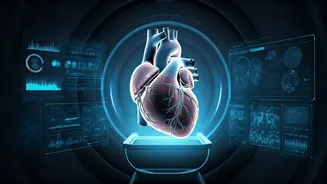
AI-enhanced cardiac imaging offers a powerful advantage in detecting the subtle, often invisible signs of heart disease long before symptoms manifest.
Even routine chest X-rays, typically taken for unrelated respiratory issues, can now reveal early indicators of cardiac problems like heart failure. This capability allows for significantly faster diagnosis and the initiation of timely treatment, preventing the condition from progressing to more severe stages. By analyzing images with unprecedented precision, AI can identify minute abnormalities that might otherwise be missed by the human eye, truly acting as a vigilant guardian for cardiovascular health and enabling interventions at the earliest possible moment.
Surveillance Programs
Shifting from a reactive approach to one of continuous vigilance, advanced imaging tools powered by AI are enabling proactive surveillance programs for at-risk populations. Instead of waiting for individuals to develop symptoms, healthcare systems can now systematically monitor groups identified as having higher predispositions, such as those with diabetes or hypertension. This means that individuals within hospitals, communities, and even remote areas can be kept under watchful observation. Such proactive monitoring is crucial for preventing serious complications and averting costly hospitalizations, thereby optimizing healthcare resource allocation and safeguarding the well-being of those most vulnerable to lifestyle-driven heart ailments.
Accessible Prevention
The sheer volume of chest X-rays performed globally each year, estimated at over 2 billion, presents an immense opportunity to integrate cardiac insights into standard diagnostic pathways. Leveraging these existing imaging procedures for cardiac health assessment is a groundbreaking strategy, especially for resource-limited settings. This approach democratizes preventive care, making it accessible without the need for specialized, expensive cardiac tests. By extracting valuable cardiac information from readily available images, health systems worldwide can significantly broaden the reach of preventive heart health initiatives, ensuring that more people benefit from early detection and intervention, regardless of their economic circumstances.
Population Insights
The aggregation of cardiac imaging data, analyzed by AI, provides invaluable insights at a population level, empowering governments and public health organizations to make informed decisions. By identifying widespread risk patterns and understanding the prevalence of cardiovascular issues across communities, policymakers can more effectively plan resource allocation and design targeted preventive programs. This data-driven approach strengthens public health surveillance systems, allowing for a more strategic and responsive approach to combating the growing burden of heart disease. Ultimately, it enables the development of robust strategies that address the root causes and scale effective interventions across entire populations.
Saving Lives
Heart failure often progresses silently, frequently going undiagnosed until it reaches advanced, irreversible stages. Cardiac imaging, particularly when guided by AI for early detection, offers physicians a critical window of opportunity to intervene. This enables proactive management and treatment before significant damage occurs, dramatically reducing the likelihood of severe complications and ultimately saving lives. Furthermore, AI-powered echocardiography contributes to personalized risk profiling by assessing real-time cardiac function, while advanced MRI can identify silent myocardial damage linked to chronic conditions. The integration of these sophisticated imaging techniques is fundamentally shifting cardiology towards a predictive and preventive paradigm, moving beyond reactive treatment to a future focused on maintaining lifelong heart health.