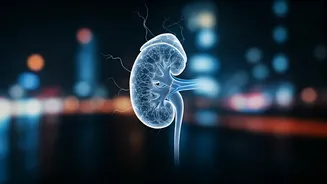







Kidneys Under Pressure
Your kidneys are vital organs, diligently filtering waste from your bloodstream and maintaining the delicate balance of fluids and essential salts within
your body. When your body experiences dehydration, there's a noticeable drop in blood volume, which directly reduces the flow of blood reaching your kidneys. This reduced blood supply means your kidneys have to work harder to perform their essential functions. For individuals already managing conditions such as diabetes, elevated blood pressure, or nascent stages of kidney disease, this chronic stress from insufficient hydration can exacerbate their existing issues and accelerate potential kidney damage over time. The problem isn't that kidneys adapt to less water; rather, they are constantly strained by the lack of it, a silent burden that accumulates day by day.
Subtle Signs Missed
Dehydration doesn't always manifest with dramatic symptoms, making it easy to overlook. Many people, particularly in busy urban environments, don't even feel particularly thirsty, leading them to underestimate their fluid needs. Some common indicators that your body is struggling with hydration include urine that appears a darker yellow hue, persistent headaches, feelings of exhaustion, occasional dizziness, discomfort from constipation, and unwelcome muscle cramps. Another frequently missed sign is urinating far less frequently than usual, a clear signal that fluid intake is inadequate. Moreover, in environments with extreme temperatures, like scorching summers or heavily air-conditioned offices, fluid can be lost from the body without the individual even realizing it, further complicating the recognition of dehydration.
Who's at Risk?
Certain demographics and lifestyle choices place individuals at a heightened risk of dehydration and subsequent kidney strain. Elderly adults, for instance, often experience a diminished sensation of thirst, making them more susceptible to inadequate fluid intake. Similarly, those whose occupations involve prolonged exposure to heat or physical exertion, such as outdoor workers, drivers, delivery personnel, and avid gym-goers, are prone to significant fluid loss. Individuals who consume substantial amounts of caffeinated beverages like tea or coffee also need to be mindful, as these can have diuretic effects. Furthermore, patients prescribed certain medications, particularly diuretics that encourage fluid excretion, must be especially vigilant about their fluid intake and adhere strictly to their physician's recommendations to safeguard kidney function.
Simple Hydration Habits
Maintaining adequate hydration doesn't require complex strategies; simple, consistent habits can make a significant difference in protecting your kidney health. A highly effective approach is to keep a water bottle readily visible throughout the day, serving as a constant visual cue to drink. Setting regular reminders on your phone or watch can also help ensure you're sipping water at consistent intervals. Monitoring the color of your urine is another practical method; lighter shades generally indicate good hydration. It's crucial to consciously increase your fluid intake during periods of higher fluid loss, such as during hot weather, while traveling, or before, during, and after engaging in physical exercise. However, if you have pre-existing conditions like kidney disease, heart issues, or experience swelling, it's imperative not to arbitrarily increase your water intake; always seek personalized guidance from your doctor.
Support for High Risk
For individuals identified as high-risk for dehydration-related complications, especially those with chronic kidney conditions, specialized support systems can be invaluable. Home healthcare services can play a crucial role in establishing and maintaining proper hydration routines. This can involve regular monitoring of vital signs to detect early signs of dehydration or fluid imbalance, along with professional clinical supervision within the comfort of the patient's home. Post-hospital recovery following kidney-related issues or dialysis treatments can also be managed more safely and effectively with dedicated home-based nursing support. These services often extend to providing tailored nutrition guidance and proactive hydration management, all aimed at minimizing further stress on the kidneys and promoting overall well-being.