




Hidden Sugars & Empty Calories
Weight loss is often derailed by foods we believe are beneficial. Dr. Rajan Modi points out that a lack of awareness regarding concealed sugars, processed
carbohydrates, and high calorie counts in seemingly innocent foods frequently impedes successful and lasting weight management. These elements can disrupt fat burning and overall metabolic function. The key isn't total elimination, but informed consumption. For instance, packaged fruit juices, while fruit-based, are stripped of fibre and packed with concentrated sugars. This rapid sugar absorption causes blood glucose spikes and leaves you feeling unsatisfied quickly, unlike whole fruits which offer fibre for prolonged fullness. Similarly, many flavoured yogurts are loaded with added sugars and artificial components, potentially triggering more cravings. Opting for plain curd or Greek yogurt, enhanced with natural ingredients like fresh fruit or spices, provides protein and probiotics without the unwanted extras.
Calorie Traps in Salads & Snacks
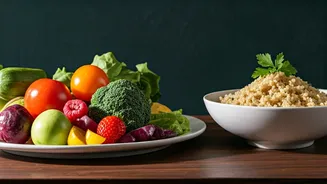
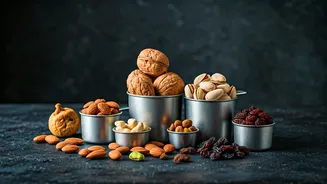
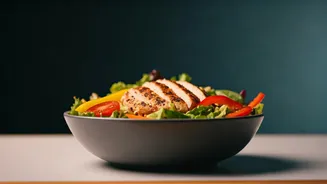
Even seemingly virtuous meals like salads can become calorie landmines due to the dressings used. Many store-bought options are laden with unhealthy fats, preservatives, and hidden sugars that can negate the benefits of fresh greens. Creating your own simple vinaigrettes with ingredients like lemon juice, olive oil, and fresh herbs ensures you enjoy a nutritious and flavourful salad without the hidden calorie burden. Dry fruits, a popular snack choice, also warrant careful attention. While they offer healthy fats and essential nutrients, their calorie density is significant. A small handful of almonds or a couple of walnut halves are typically sufficient to reap their benefits without contributing excess calories. Mindful portioning is crucial for these nutrient-rich but calorie-packed items, ensuring they support, rather than sabotage, your weight loss goals.
Carbohydrate Pitfalls & Peanut Butter
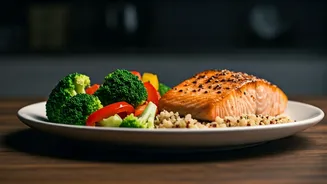
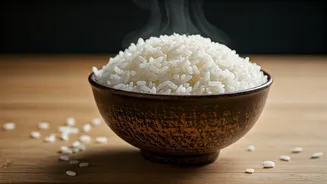
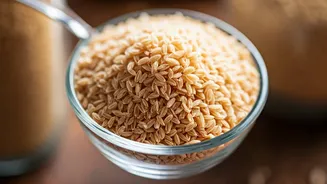
The perception of white rice as a weight loss enemy is often oversimplified. Rice itself isn't inherently detrimental; the issue usually stems from oversized portions consumed without adequate protein, fibre, or vegetables. By incorporating lentils, lean protein sources, and a generous serving of vegetables alongside rice, you enhance satiety and maintain a more balanced energy intake, making it a sustainable part of a weight loss diet. A common offender often overlooked is sweetened peanut butter. While peanuts are nutritious, many commercial brands add substantial amounts of sugar and refined oils. Choosing natural peanut butter with minimal ingredients or even making your own peanut paste at home provides a healthier alternative that aligns better with weight management objectives.
Beverage & Snack Swaps
Energy drinks are notorious for their high sugar content and empty calorie profiles, presenting a significant hurdle for anyone trying to lose weight. Even sugar-free variants can sometimes stimulate cravings in certain individuals. Embracing healthier hydration options such as coconut water, infused lemon water, or unsweetened black coffee offers effective alternatives without the detrimental impact on your weight loss efforts. Similarly, popular packaged snacks like namkeen and mixtures are typically loaded with refined oils, excessive sodium, and high calorie counts. Their easy accessibility and palatability can lead to mindless overconsumption, quickly escalating daily calorie intake. Substituting these with healthier options like roasted makhana (fox nuts), roasted chana (chickpeas), or homemade savories can significantly help in controlling calorie intake and promoting satiety.
Meal Composition & Hidden Ingredients
Pasta's reputation for contributing to weight gain is often tied to its preparation rather than the pasta itself. Cream-based sauces dramatically increase the calorie content of a dish. Opting for whole wheat pasta and pairing it with lighter, vegetable-based or tomato-based sauces transforms it into a more balanced and weight-loss-friendly meal. Digestive biscuits, frequently perceived as a healthier choice, especially with tea, are typically manufactured using refined flour, added sugars, and unhealthy fats. Their easy-to-eat nature means they can be consumed in large quantities, quietly adding significant calories to your daily intake. Healthier alternatives include raw nuts, seeds, or snacks made primarily from oats, which offer superior satiety and nutritional value, making them more suitable for a weight-conscious diet.
Breakfast & Bar Awareness
Beyond the specific foods already mentioned, it's crucial to exercise caution with breakfast cereals and protein bars, both frequently marketed as beneficial for health and weight management. Many of these products contain hidden sugars and processed ingredients that can impede progress towards your weight loss goals. Diligently reading product labels and prioritizing minimally processed options is essential for making informed choices. Understanding the true nutritional profile of these convenient foods allows for better control over calorie intake and nutrient consumption. Ultimately, successful and sustainable weight loss hinges not on complete food deprivation, but on a deep understanding of how different foods impact your body and making conscious, balanced decisions.