



Choosing Your Spot
To begin your spring onion cultivation journey, select a location that receives ample sunlight, ideally between four to six hours of direct exposure daily.
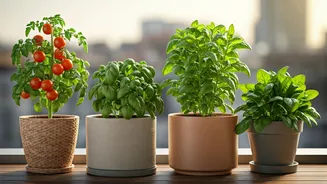
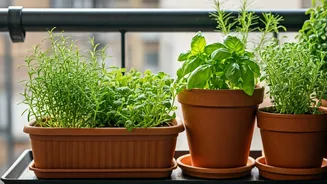
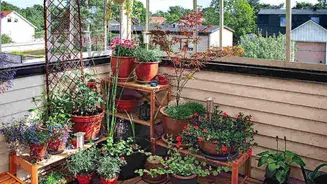
The choice of containers is also crucial; opt for pots, grow bags, or planters that are at least 20 to 25 cm deep to allow the roots sufficient space to develop. Ensuring these containers have excellent drainage capabilities is paramount to prevent waterlogging, which can be detrimental to the plants. This thoughtful selection of your growing environment lays the groundwork for robust plant growth and a successful harvest, mirroring the practices of experienced gardeners who understand the vital role of these initial steps in their rooftop or balcony gardens. Even with limited space, attention to these details can yield impressive results.
Soil Preparation Essentials
The foundation of any thriving garden lies in its soil, and for spring onions, this means creating a light, nutrient-rich medium. A successful blend involves mixing regular garden soil with compost and other organic matter. This not only nourishes the plants but also significantly improves the soil's structure, allowing for better aeration and moisture retention. Utilizing homemade compost, much like the method employed by urban gardening enthusiasts who repurpose kitchen waste and organic materials, offers a sustainable and effective way to enrich the soil. The ideal soil consistency is loamy, which ensures that water can drain freely while still keeping enough moisture available for the roots to absorb, promoting vigorous growth and a healthy crop.
Planting Methods
Embarking on growing spring onions can be achieved through two primary methods: sowing seeds directly or planting small onion sets, which are essentially miniature bulbs. When opting for seeds, they should be planted at a depth of half to one centimetre, with spacing of approximately two to three centimetres between each seed. After sowing, cover them lightly with soil and water gently. For those using onion sets, each set should be placed about two to three centimetres deep and spaced five to seven centimetres apart. It is important to ensure that the pointed end of the set is positioned upwards to facilitate proper growth. Both methods are straightforward and contribute to a fulfilling gardening experience, bringing fresh produce within reach.
Watering and Feeding
Consistent moisture is key for spring onions, particularly during their establishment phase. Aim to water them once or twice a week, adjusting frequency based on ambient temperatures, and increasing it during hot spells. However, it is crucial to avoid overwatering, as waterlogged soil can lead to root rot. For enhanced growth and yield, incorporate organic fertiliser or compost tea every three to four weeks. It is advisable to steer clear of harsh chemical fertilisers, especially when cultivating greens intended for consumption. Organic amendments not only provide essential nutrients but also improve soil structure, a principle that many home gardeners embrace to foster a healthy and productive growing environment. This balanced approach ensures plants receive the hydration and nourishment they need.
Pest Management Naturally
While spring onions are generally resilient, occasional pest issues can arise. To maintain an organic approach and ensure your produce is safe for consumption, natural pest deterrents are the preferred method. Applying neem oil sprays periodically is an effective practice, particularly in urban garden settings where such applications are common. Another beneficial strategy is companion planting with herbs known for their pest-repelling properties. By opting for these natural solutions over chemical pesticides, you safeguard both your plants and your health, ensuring a clean and abundant harvest. This mindful pest control is integral to successful organic gardening.
Harvesting Your Greens
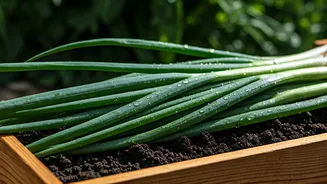
Spring onions grow relatively quickly, and you can begin harvesting once their stems reach a height of 15-20 cm. The beauty of growing your own is the ability to snip greens as needed, allowing the plant to continue producing. Unlike bulb onions, the focus here is on harvesting the young, tender green tops and stems. This method permits you to take only what you require for immediate use, while the rest of the plant matures further. This continuous harvesting ensures a steady supply of fresh spring onions, which offer a flavour far superior to many store-bought varieties, enhancing your culinary creations with vibrant freshness.
Culinary Uses and Joy
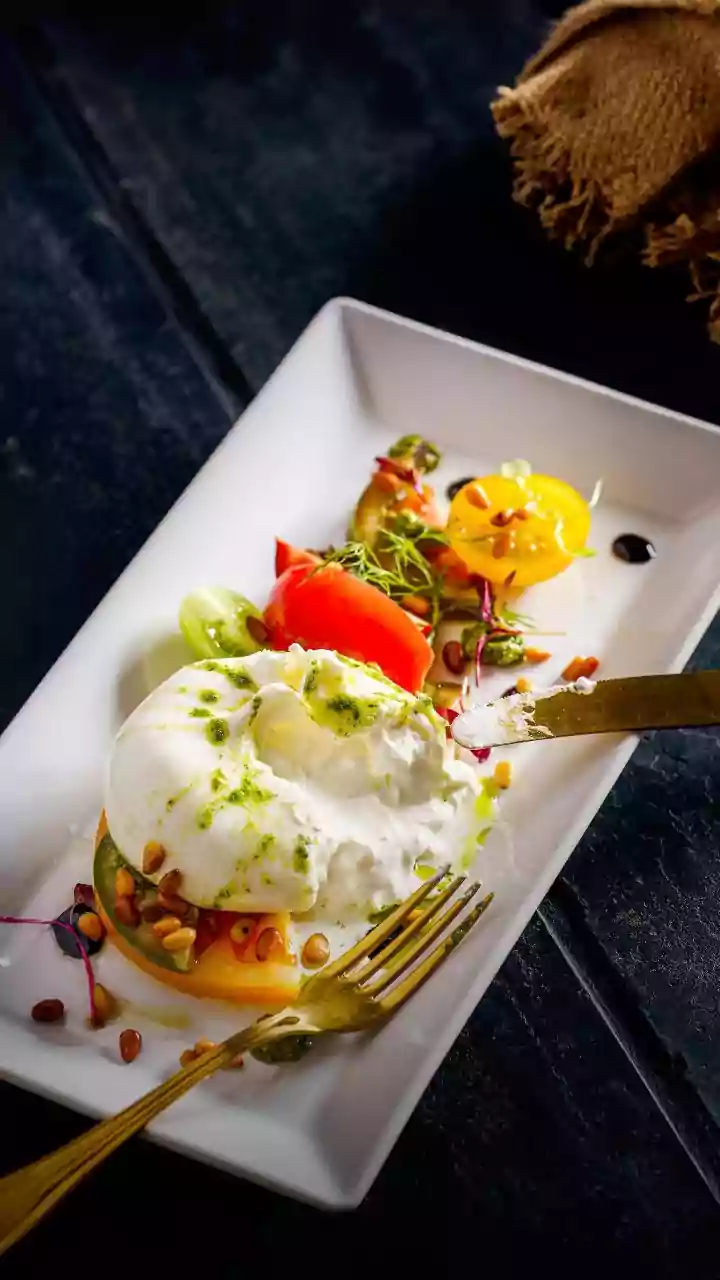
Once harvested, your homegrown spring onions are ready to elevate your meals. Their fresh, crisp texture and mild flavour make them a versatile ingredient, perfect for adding a touch of brightness to salads, stir-fries, soups, and dips. The superior taste of homegrown produce cannot be overstated, often surpassing that of greens purchased from commercial markets. Many gardeners find immense satisfaction in adapting their meals to what is readily available from their garden, creating seasonal dishes that are both delicious and fulfilling. The act of growing and consuming your own food fosters a deeper connection to nature and a sense of accomplishment.