






Lower Food Prices?
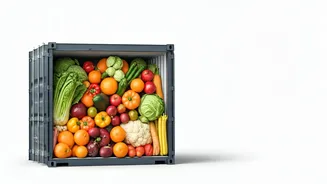
One of the primary benefits expected from the India-EU FTA is the potential for reduced prices on imported food products. The elimination or reduction
of tariffs and other trade barriers between the two regions would significantly lower the cost of bringing food items into India. This could lead to more affordable options for consumers, broadening access to a wider variety of foods from Europe. Products like cheeses, wines, and processed foods, which are often subject to high import duties, may become more accessible and competitively priced. These changes are designed to benefit both consumers and importers alike, creating a more dynamic and competitive food market. Ultimately, the FTA aims to make international food products more readily available at prices that reflect the true cost of production and transport, unburdened by excessive duties.
Expanded Market Access
The FTA also presents a significant opportunity for Indian brands. A key aspect of the agreement focuses on facilitating greater market access for Indian products within the EU. This means reducing trade barriers and streamlining regulatory processes to make it easier for Indian businesses to export their goods. Sectors like food processing, agriculture, and other related industries are particularly positioned to gain from this increased access. Indian brands could expand their reach, increase their sales, and establish a stronger presence within the European market. The FTA would open avenues for Indian companies to grow their export businesses and contribute more robustly to the national economy, alongside promoting a more globally integrated marketplace.
Impact on Consumers
Indian consumers are poised to experience tangible benefits from the FTA. Firstly, the lowering of import duties means that a range of European food products will become more affordable. This can diversify food choices and provide access to a wider variety of high-quality items. Consumers may also witness improvements in product availability and selection as businesses seek to capitalize on the eased trade conditions. Furthermore, the increased competition from European brands could motivate local Indian businesses to enhance the quality and competitiveness of their own products. Overall, the FTA could result in more choices, better prices, and ultimately, a more enriched food market for Indian consumers, enhancing their purchasing power.
Benefits for Businesses
Indian businesses stand to gain immensely from the FTA. Reduced trade barriers and simplified regulatory procedures can cut down the costs associated with exporting to the EU. This improved access allows Indian companies, particularly those involved in food processing, to tap into a huge consumer market. Furthermore, greater trade with the EU means potential for strategic alliances, technological exchanges, and innovative practices. The FTA could encourage businesses to invest in better infrastructure, enhance product standards, and drive efficiency in production processes to match the EU's strict guidelines. These advantages give Indian firms a competitive edge, fostering growth, innovation, and stronger integration within the global market, thereby generating more opportunities and higher revenues.
Challenges & Considerations
While the FTA offers considerable potential, there are potential challenges that need to be carefully addressed. Indian businesses must meet European quality and safety standards, requiring investment and adaptation. Simultaneously, competition from established EU brands could intensify pressure on Indian producers. Also, a successful FTA depends on navigating complex trade regulations, intellectual property concerns, and ensuring fair practices. Addressing these issues requires comprehensive preparation, including upgrading infrastructure, providing assistance to small- and medium-sized enterprises, and proactively handling potential disputes. Through strategic planning and proactive measures, India can overcome these obstacles and seize the full benefits of the FTA, ensuring sustainable and mutually beneficial trade relations.