








Engineering Exports Surge
The India-US trade deal is anticipated to be a major catalyst for the engineering sector. With the potential for reduced tariffs, Indian engineering exports
are projected to see a significant uptick. This agreement creates an environment where Indian businesses can more easily access the US market, thus facilitating increased sales and revenue. This is particularly advantageous as the engineering sector is a significant contributor to India’s overall export portfolio. The deal not only fosters economic ties but also paves the way for deeper collaboration and partnerships between engineering firms in both nations. This anticipated growth can lead to job creation and further innovation within the engineering industry, thus contributing to India's economic advancement on a broader scale. The boost for exports also includes those related to manufacturing, supporting the 'Make in India' initiative.
Seafood & Chemical Boost
Another segment poised to reap the benefits of the India-US trade deal is the seafood industry. With the removal or reduction of tariffs, Indian seafood exports to the US are set to rebound. This opens up opportunities for Indian exporters to tap into the substantial US market, thereby increasing their revenue and profitability. The chemicals sector is also included as a beneficiary of the trade deal. Reduced trade barriers mean cheaper imports of raw materials and increased exports of Indian chemicals to the US. This offers scope for both small and large businesses. The expected increase in trade volumes suggests that companies can scale up operations and generate more employment opportunities. These positive developments reflect the comprehensive nature of the trade agreement, which intends to drive up economic activity across a variety of sectors.
Electronics & Semiconductor Gain
The trade deal between India and the US is also expected to give a lift to the semiconductor and electronics industries. This sector, vital for technological advancement, can now access a wider range of components and a larger market for finished products. By lowering the cost of essential inputs, the deal supports local manufacturing and allows companies to increase their competitiveness on the global stage. This is particularly important because of the rising demand for electronic devices and components globally. Furthermore, the agreement promotes innovation by encouraging tech transfer and collaboration between Indian and US companies. The increase in trade activities should lead to technology advancements, thus improving the industry's prospects. The integration of semiconductor and electronics into the trade agreement underlines the significance of this deal as a forward-thinking initiative.
Rupee & Market Reactions
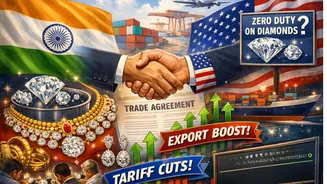
The India-US trade deal has also had an impact on financial markets. The Rupee has surged in value, showing the positive reaction of investors to the trade agreement. This rise is a sign of strengthened confidence in the Indian economy and is good news for Indian businesses that rely on global trade. Additionally, the stock market has reacted positively, with stocks related to gems, jewelry, textiles, and leather seeing gains. This indicates that investors are optimistic about the future of these industries under the new trade conditions. The positive market response is a clear indicator of the trade deal's perceived benefits, thereby encouraging further investment and growth. This favorable financial environment allows companies to make strategic investments and capitalize on the export opportunities made possible by the India-US trade deal.
Farm Exports & Beyond
While the deal offers clear benefits to several sectors, the impact on farm exports is notable. The US tariff cuts boost the prospects for Indian rice exports. This offers a chance for Indian farmers and exporters to expand their footprint in the American market. The US market access enables them to improve their economic situation and also contributes to the country's overall export revenue. The deal also opens doors for discussions on crucial topics, such as critical minerals, ensuring a steady supply chain of resources, which is vital for the continued growth of various industries. The trade deal is thus viewed as a comprehensive agreement, going beyond simple tariff adjustments to cover the critical elements needed for fostering sustainable economic expansion, with a focus on both immediate gains and long-term advantages.