







Metabolic Survival Mode
When embarking on a water fast, your body experiences a significant metabolic transformation. The primary focus shifts towards conserving energy, a survival
mechanism. After the initial hours of fasting, the body depletes its readily available glucose stores. This depletion signals the liver to begin converting stored fat into ketone bodies, an alternative fuel source for the brain. This process, known as ketogenesis, becomes the dominant metabolic pathway. The body also reduces its metabolic rate to conserve energy, aiming to keep vital functions running with minimal resources. This shift to ketone utilization and energy conservation represents the body's adaptation to a period of limited nutrient availability, preparing it for survival. It's an intricate metabolic dance, finely tuned to maintain functionality in the absence of food.
Organ and Muscle Impact
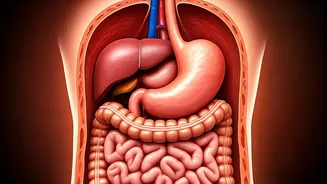
A 3-day water fast affects various organs and bodily components. The kidneys take on an increased workload to filter waste products produced during the metabolic changes. The liver also works harder in the production of ketone bodies. Muscle mass may be affected; while the body tries to conserve muscle, some breakdown is inevitable, especially without adequate protein intake. Moreover, electrolyte levels, including sodium, potassium, and magnesium, can become imbalanced, causing fatigue, headaches, and even more severe complications. It is important to note that the body prioritizes essential functions during this period. The digestive system takes a rest as it is not actively involved in the processing of food. These changes indicate that the body is adapting to a survival strategy that prioritizes vital functions over non-essential activities, potentially impacting overall well-being.
Who Should Avoid?
Water fasting is not suitable for everyone. People with pre-existing medical conditions should exercise extreme caution or avoid it altogether. Individuals with diabetes must be particularly cautious due to the risk of blood sugar imbalances. Those with kidney problems should also avoid water fasting, as it puts additional strain on the kidneys. Pregnant or breastfeeding women should also refrain from water fasting, as it can deprive both the mother and the developing child of essential nutrients. Moreover, individuals with a history of eating disorders should avoid fasting, as it can worsen their conditions. Anyone considering a water fast should consult a healthcare professional to assess its suitability and potential risks. It’s essential to evaluate health conditions and seek expert advice before starting any fasting regimen.